Publically-owned bikeshare company B-Cycle will be scrapped and eventually be replaced, and the city is also planning to overhaul it's pilot dockless bike and scooter rental program.


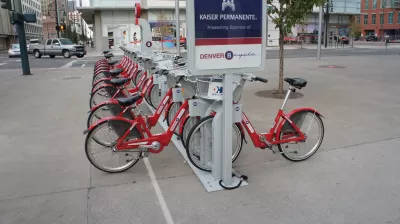
Elizabeth Hernandez reports: "Denver B-cycle, the city’s first shared mobility system, will ride off into the sunset early next year amid declining ridership and a new plan by Denver Public Works to overhaul how the scooters, bike shares and electric bicycles scattered across downtown are regulated."
According to Hernandez, "Denver plans to contract with a new docked bike share to replace B-cycle, but it’s anticipated there will be a months-long gap without such an option in the city. Officials expect to have the new contracts in place over the summer of 2020."
For more on the declining ridership at B-Cycle, see a separate article by Andy Bosselman:
B-cycle ridership has been falling steadily since its peak in 2014. The system’s riders took 377,000 trips that year compared to 305,000 in 2018, a 19-percent decline, according to the annual report. The decrease in riders corresponds roughly with the rise of ride-hail services like Uber and Lyft, and the arrival of dockless scooters and bikes last year.
As noted in the lede of Hernandez's article, the shakeup in shared mobility is also reaching into the private rental companies as well. "Denver is pumping the brakes on its pilot program for shared scooters, electric bikes and dockless bicycles, trading the current permitting system for a competitive bid process that will result in “one or more companies” landing a contract with the city to operate so-called “micromobility” services," reports Hernandez.
Currently five companies are operating more than 2,700 scooters around the city, according to the article, but both numbers could change.
Read the full story: Denver B-cycle to end, city may thin herd of scooter operators as it tightens regulation of “micromobility” services


Denver Micromobility on Track to Break Ridership Record
Denver’s shared bikes and scooters will provide as many as 6 million rides in 2024.
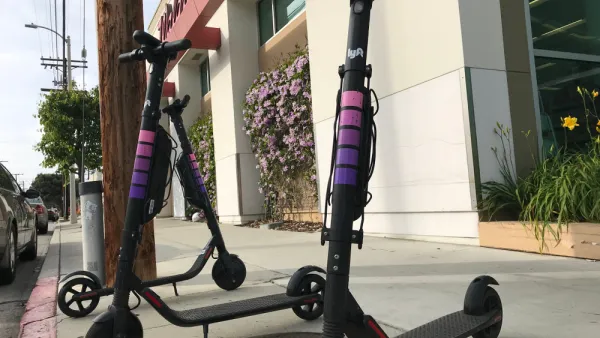
Lyft Pulls Micromobility From Los Angeles Area
The company will no longer provide shared bikes and scooters in the L.A. region, citing a ‘lack of longterm commitment’ from cities.
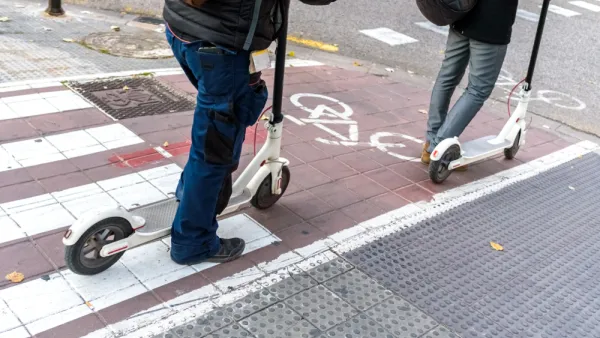
D.C. Plans More Regulations for Micromobility Operators
Operators are pushing back against new proposed rules that some say could 'kneecap' the District's micromobility industry.

Planetizen Federal Action Tracker
A weekly monitor of how Trump’s orders and actions are impacting planners and planning in America.

The state-sanctioned urbicide of Austin
People don’t kill cities. Freeways do.

Colorado’s Largest Data Center Could Rise Next to Homes — Without a Public Hearing
The proposed campus would consume 11 times the power of Denver International Airport; as it has across the country, opposition mounts.

Nation's most wind-powered state turns to coal as data centers increase energy demand
For the first time in decades, Iowa has increased its generation of coal power.

NYC cools commuters with city's first rain garden above a bus stop
New York City officials say the plants in the rain garden can absorb 16 gallons of rainwater during heavy storms.

Brightline West’s future may rely on $6 billion federal loan
The company has until Nov. 2 to make a $400 million equity investment into its proposed high-speed rail line.

FREE Course: Walkable City 1: Why Walkability?
After describing his path towards focusing on walkability as the essence of good planning, Jeff Speck marches through his five principal reasons for making more walkable places.
Reinventing Malls: Planning Alchemy—Turning Gray Fields Into Gold
The course focuses on the opportunities and imperatives that shape reinvention of mall sites.

Greater Baltimore Committee
Eagle County Government
Harvard University Graduate School of Design
The Architects Foundation
University of Cincinnati Online
The Pocatello Development Authority
The Urban Renewal Agency of the City of Pocatello
Journal of the American Planning Association