The state is seeing an outmigration of residents moving to more affordable places, but it isn’t just wealthy retirees leaving the Golden State.


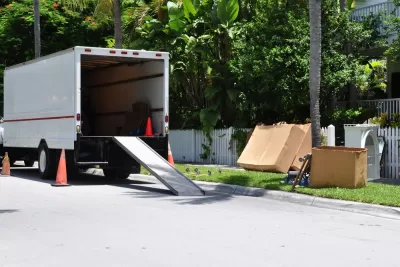
"California homeowners are cashing out, picking up, and moving inland, pushing up prices in other states as they look for more affordable places to live and to retire," writes Patrick Sisson. Many retired baby boomers are heading to low-tax states like Arizona and Nevada. Boise, Idaho, is another popular destination, and housing trends there reflect the influx of new residents.
"A lot of the new construction [Phil Mount is] seeing around towns like Eagle and East Boise could best be described as nice single-level homes—with a few added touches, including low-threshold doors that are easier for owners who are disabled, spacious hallways, wide showers, and maintenance-free features. These are easy-to-live-in homes in neighborhoods with clubhouses and walkable access to stores. They are perfect places for older, wealthier retirees to spend their golden years," says Sisson
But the perception that wealthy California baby boomers are the only ones moving to these places is too simple a picture, notes Sisson. For example, younger workers are moving to Boise as well as people from other parts of the country. And the high cost of housing in California is also pushing middle-class workers and retirees to seek greener pastures.
FULL STORY: Who’s really leaving California, and why does that matter?

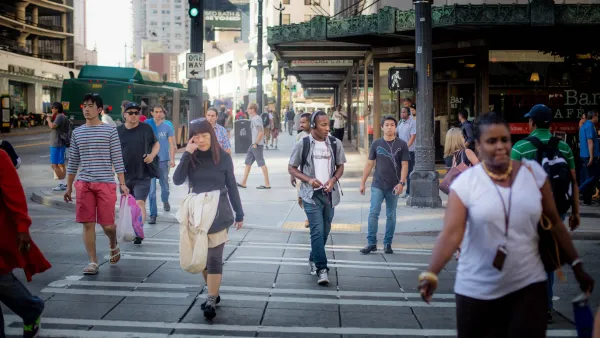
Post-Recession Migration Patterns of Younger and Older Americans
New census data shows that millennials and seniors are migrating less, a result of the Great Recession and its economic impacts. For those who are moving, cities in the Sun Belt have been primary destinations.
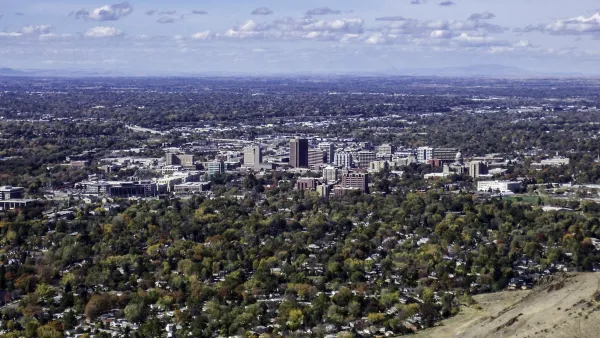
Californians Are Leaving the State for More Affordable, Greener Pastures
Skyrocketing housing costs in California are pushing people out to other parts of the country.
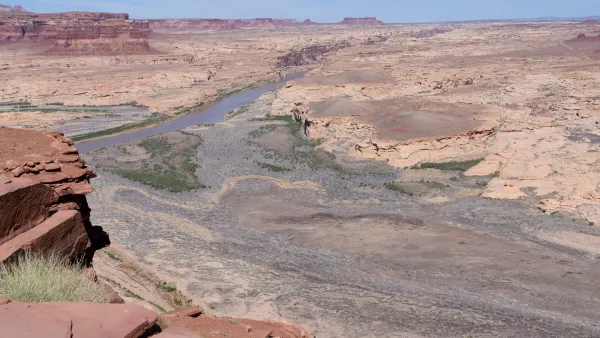
Feds say Arizona, California and Nevada must cut Colorado River water use by 1.25 million acre-feet
The new plan does not apply mandatory cuts to any of the river’s upper basin states.

The state-sanctioned urbicide of Austin
People don’t kill cities. Freeways do.

US to reduce Colorado River water deliveries to Mexico
A new Colorado Treaty amendment reduces Mexico’s Colorado River water allocation by 250,000 acre feet.

New Jersey’s second-largest city bans standalone data centers
Jersey City will continue to allow co-location facilities, such as those meant for research institutions that store their own data.

Amtrak not solely to blame for New Jersey commuter rail's unreliability, report finds
A new study from the Garden State Initiative found that NJ Transit’s budget grew 20% across a 4 year period, but reliability declined significantly over the same period.

EPA erases limits on planet-warming pollution from power plants
Under Monday’s plan, power plants would still have some limits on how much mercury, arsenic and other contaminants they can emit.

Phoenix announces new on-demand transit service, more frequent RAPID buses
Both new services will launch in October, and are part of Phoenix's Project Effective Access Solutions for Easing Congestion.

FREE Course: Walkable City 1: Why Walkability?
After describing his path towards focusing on walkability as the essence of good planning, Jeff Speck marches through his five principal reasons for making more walkable places.
Reinventing Malls: Planning Alchemy—Turning Gray Fields Into Gold
The course focuses on the opportunities and imperatives that shape reinvention of mall sites.

Eagle County Government
Harvard University Graduate School of Design
Nashville Planning Department
The Architects Foundation
University of Cincinnati Online
The Pocatello Development Authority
The Urban Renewal Agency of the City of Pocatello
Journal of the American Planning Association