Tract boundary revisions for the 2020 Census could mean new opportunity zone designations as well.


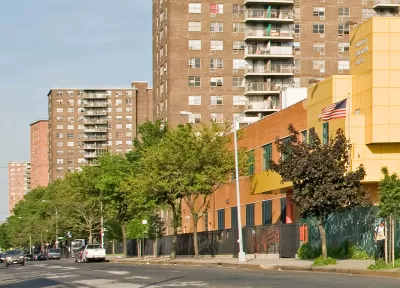
"Investors across the country have been asking state officials to expand the areas designated for the 2017 tax law’s opportunity zone tax breaks—and changes related to the 2020 Census may give those investors a new chance to get what they ask for," writes Lydia O’Neal.
The Census Bureau will be revising census tract boundaries for the census next year based on population changes, including the expansion of low-income tracts eligible for opportunity zone designations. "Such expansions would provide investors with additional options for projects that take advantage of the popular tax breaks, which allow those with profits from stocks and other investments to defer and reduce their capital gains tax liabilities," says O’Neal.
O’Neal notes that a number of questions remain about how much additional land would be available, because opportunity zones tend to cluster, and what would happen if a tract has grown and is no longer considered low income. Still, officials from a number of states have said that individuals and business in their states are clamoring for expansions that would allow them to access the opportunity zone benefits.
FULL STORY: 2020 Census Could Expand Opportunity Zones Chosen for Tax Breaks

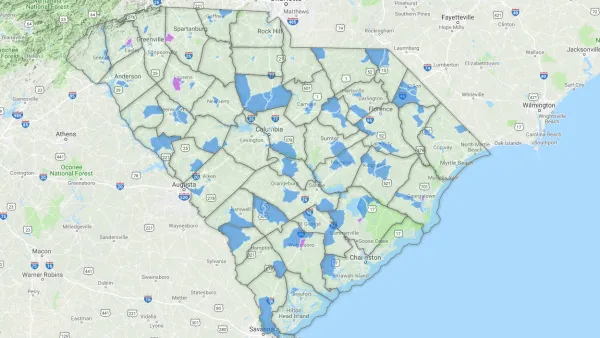
Making the Most of 'Opportunity Zones'
Created to speed investment in struggling communities, the federal Opportunity Zones program could also spur research into how capital can be better deployed on a district-by-district basis.

The Child Population in These Cities is Dropping Fast
Cities in the West are seeing sharp drops in their under-5 populations.

The Hollowing Out of Rural Georgia
America’s rural population is declining for the first time in history. In Georgia, it amounts to a demographic crisis.

Planetizen Federal Action Tracker
A weekly monitor of how Trump’s orders and actions are impacting planners and planning in America.

The state-sanctioned urbicide of Austin
People don’t kill cities. Freeways do.

US to reduce Colorado River water deliveries to Mexico
A new Colorado Treaty amendment reduces Mexico’s Colorado River water allocation by 250,000 acre feet.

Brightline West’s future may rely on $6 billion federal loan
The company has until Nov. 2 to make a $400 million equity investment into its proposed high-speed rail line.

LA Metro’s ultimatum: no extra buses for LA28 if federal funding isn’t imminently secured
If Metro does not provide additional buses, LA28 organizers will have to find a new way to manage Olympic traffic. LA28’s budget does not include a line item for transit.

Colorado’s Largest Data Center Could Rise Next to Homes — Without a Public Hearing
The proposed campus would consume 11 times the power of Denver International Airport; as it has across the country, opposition mounts.

FREE Course: Walkable City 1: Why Walkability?
After describing his path towards focusing on walkability as the essence of good planning, Jeff Speck marches through his five principal reasons for making more walkable places.
Reinventing Malls: Planning Alchemy—Turning Gray Fields Into Gold
The course focuses on the opportunities and imperatives that shape reinvention of mall sites.

Eagle County Government
Harvard University Graduate School of Design
Nashville Planning Department
The Architects Foundation
University of Cincinnati Online
The Pocatello Development Authority
The Urban Renewal Agency of the City of Pocatello
Journal of the American Planning Association