San Jose, California is the latest city to consider raising its real property transfer tax to fund homeless programs.


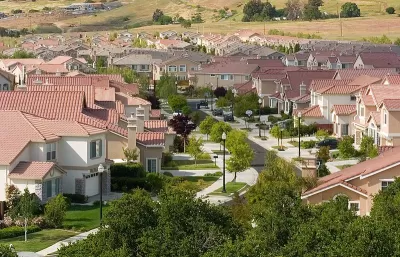
Emily Deruy reports on the effort to find new revenue for funding homeless programs in San Jose, California.
According to a new survey of more than 1,200 registered voters, a general obligation bond measure aimed at providing housing for homeless residents would be unlikely to clear the two-thirds majority required to pass in 2020. So instead, the city is considering a new real property transfer tax — a tax that is paid by the buyer, the seller or split when a property is sold or ownership transfers, with some exceptions, such as for an inheritance.
The real property transfer tax would only require a simple majority to pass, unlike the bong idea. Real property transfer taxes are increasingly the tax of choice for cities around the San Francisco Bay Area as a way to generate new revenue to address homelessness, according to the article. An editorial in The Mercury News calls for voters to reject such measures to protect the equity collected by property owners.
Deruy's coverage includes more information on the methodology and findings of the survey, and the ensuing response by local officials.
FULL STORY: San Jose may put new property transfer tax on ballot

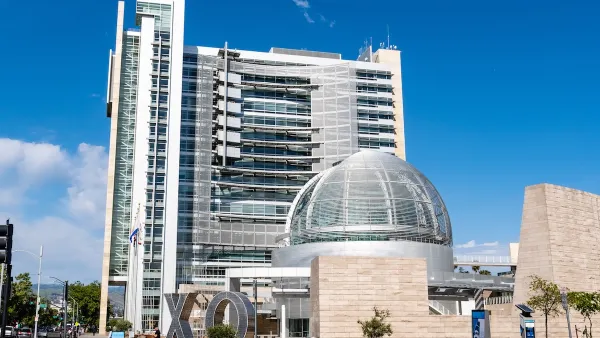
Unhoused People in San Jose Could Face Arrest if They Refuse Shelter
A policy proposed by the city’s mayor would give law enforcement the option to arrest homeless residents if they refuse three offers of housing.
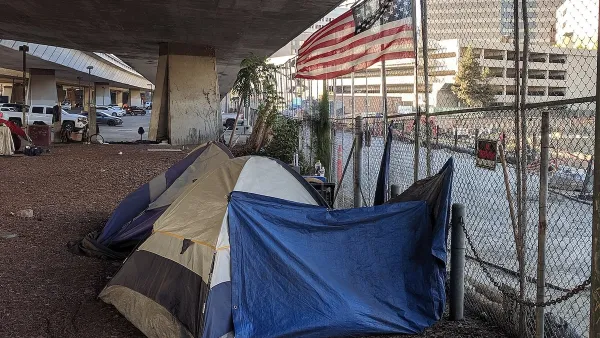
San Jose Mayor Takes Dual Approach to Unsheltered Homeless Population
In a commentary published in The Mercury News, Mayor Matt Mahan describes a shelter and law enforcement approach to ending targeted homeless encampments within Northern California's largest city.
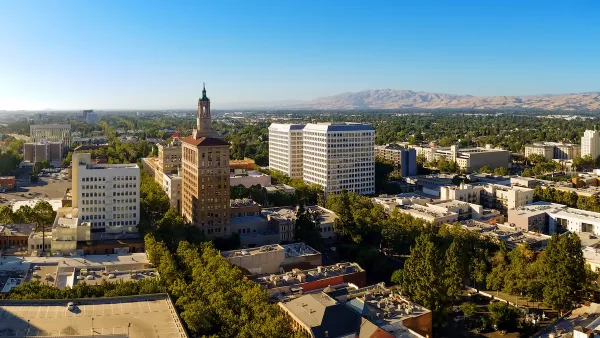
Managing Unsheltered Homelessness in San Jose
As California and other Western states await a SCOTUS ruling that will greatly affect how cities deal with tent encampments, a new stakeholder is causing big changes in how Northern California's largest city deals with its unsheltered population.

Planetizen Federal Action Tracker
A weekly monitor of how Trump’s orders and actions are impacting planners and planning in America.

The state-sanctioned urbicide of Austin
People don’t kill cities. Freeways do.

US to reduce Colorado River water deliveries to Mexico
A new Colorado Treaty amendment reduces Mexico’s Colorado River water allocation by 250,000 acre feet.

5 New England states march closer to 800 megawatt wind energy project
Securing federal approval for the project may be complicated under the Trump administration, which has historically been hostile towards domestic wind power.

Baltimore to break ground on $50 million Transit Priority Project
The project will bring faster bus trips, safer streets and better bike connections to Baltimore.

Airbnb launches $250 million 'last-dollar financing' housing accelerator, makes first investment in Austin
The company will put $6.4 million towards affordable housing development in Texas’ capital.

FREE Course: Walkable City 1: Why Walkability?
After describing his path towards focusing on walkability as the essence of good planning, Jeff Speck marches through his five principal reasons for making more walkable places.
Reinventing Malls: Planning Alchemy—Turning Gray Fields Into Gold
The course focuses on the opportunities and imperatives that shape reinvention of mall sites.

.jpg)
Eagle County Government
Harvard University Graduate School of Design
Nashville Planning Department
The Architects Foundation
University of Cincinnati Online
The Pocatello Development Authority
The Urban Renewal Agency of the City of Pocatello
Journal of the American Planning Association