The Pennsylvania Turnpike, the state Liquid Fuels Tax, state police, municipal finances, public transit—all play a role in Pennsylvania's big transportation funding mess.


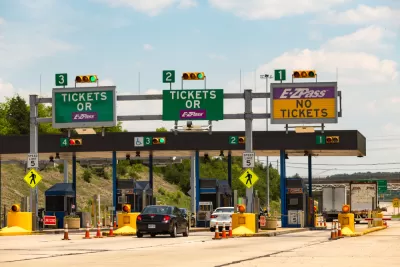
Mike Wereschagin reports that Pennsylvania transportation officials are raising alarms about the state of the state's infrastructure funding:
Despite having the highest gas tax in the country, PennDOT Secretary Leslie Richards has warned House appropriators that her agency is billions of dollars short of what’s needed to maintain one of the largest networks of roadways in the country.
More specifically:
More than a decade after the Legislature decided to squeeze billions of dollars from the Pennsylvania Turnpike, the superhighway network is on the brink of “catastrophe,” with a debt load that will eclipse the amount borrowed by all other state government agencies next year, Auditor General Eugene DePasquale has warned.
Wereschagin provides more details on the state's Liquid Fuels Tax, which is the highest in the country (even above California). According to Wereschagin, the state police agency is taking up a lot more of the revenue from that tax, doubling its budget from 2001-02 through 2016-17. "What had been a $570 million budget ballooned to $1.2 billion as an ever-growing number of municipalities abandoned the cost of local police departments and began relying on state troopers instead, according to a 2018 House budget briefing document."
The article also notes the incredible risk the state's transportation funding quagmire poses to public transit authorities in the state and describes the maintenance plan that can't keep up with the needs to repair existing highways.
FULL STORY: Pa. highways are crumbling and there's not enough money to fix them

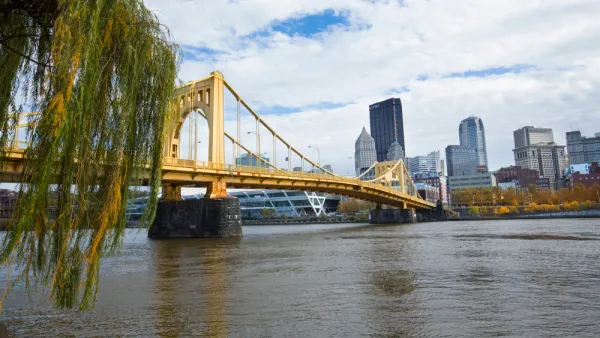
PennDOT Proposes Bridge Tolls to Fund Critical Repairs
With gas tax revenues projected to fall this fiscal year due to the pandemic, the Pennsylvania Department of Transportation argues it needs additional revenue to bridge its growing funding gap and repair crucial infrastructure.
Why does Maryland's gas tax change every year?
The state's annual gas tax update may still not be enough to keep up with changes in the transportation sector and rising project costs.
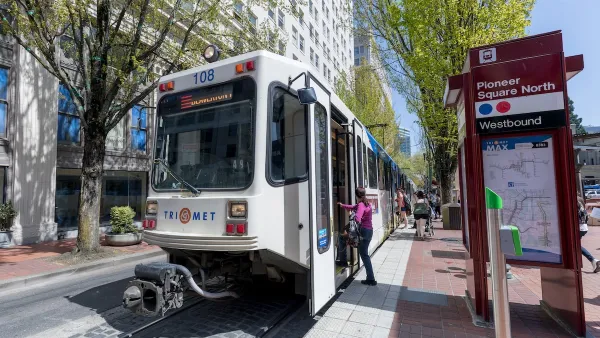
Oregon Transportation Bill Saves 500 ODOT Jobs, but Leaves Future Funding Uncertain
A bill passed in a special legislative session will raise over $4 billion for transportation and public transit in the next 10 years, but fails to establish a long-term funding solution.

The state-sanctioned urbicide of Austin
People don’t kill cities. Freeways do.

US to reduce Colorado River water deliveries to Mexico
A new Colorado Treaty amendment reduces Mexico’s Colorado River water allocation by 250,000 acre feet.

New Jersey’s second-largest city bans standalone data centers
Jersey City will continue to allow co-location facilities, such as those meant for research institutions that store their own data.

Amtrak not solely to blame for New Jersey commuter rail's unreliability, report finds
A new study from the Garden State Initiative found that NJ Transit’s budget grew 20% across a 4 year period, but reliability declined significantly over the same period.

EPA erases limits on planet-warming pollution from power plants
Under Monday’s plan, power plants would still have some limits on how much mercury, arsenic and other contaminants they can emit.

Phoenix announces new on-demand transit service, more frequent RAPID buses
Both new services will launch in October, and are part of Phoenix's Project Effective Access Solutions for Easing Congestion.

FREE Course: Walkable City 1: Why Walkability?
After describing his path towards focusing on walkability as the essence of good planning, Jeff Speck marches through his five principal reasons for making more walkable places.
Reinventing Malls: Planning Alchemy—Turning Gray Fields Into Gold
The course focuses on the opportunities and imperatives that shape reinvention of mall sites.

Eagle County Government
Harvard University Graduate School of Design
Nashville Planning Department
The Architects Foundation
University of Cincinnati Online
The Pocatello Development Authority
The Urban Renewal Agency of the City of Pocatello
Journal of the American Planning Association