Voters in Toledo, Ohio could grant personhood status to the polluted and abused Lake Erie.


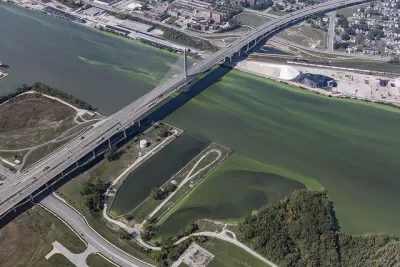
The citizens of Toledo, Ohio will vote on a controversial legal bill on February 26, reports Daniel McGraw, to decide whether Lake Erie has the same legal rights as a corporation or person.
"There have been cities and townships in the United States that have passed ordinances making some types of polluting illegal, but no American city or state has changed the legality of nature in a way that is this big and this extensive – effectively giving personhood to a gigantic lake," according to McGraw.
Rivers in Colombia, New Zealand, and India have been granted legal status, however. A lawsuit to sue for the personhood of the Colorado River, filed in 2017, eventually failed.
If voters approve the Lake Erie Bill of Rights, citizens will become the legal guardians of the lake. "If passed, citizens could sue a polluter on behalf of the lake, and if the court finds the polluter guilty, the judge could impose penalties in the form of designated clean-ups and/or prevention programs," reports McGraw.
Read the full story: Fighting pollution: Toledo residents want personhood status for Lake Erie

Lake Erie Granted Legal Rights by Voters
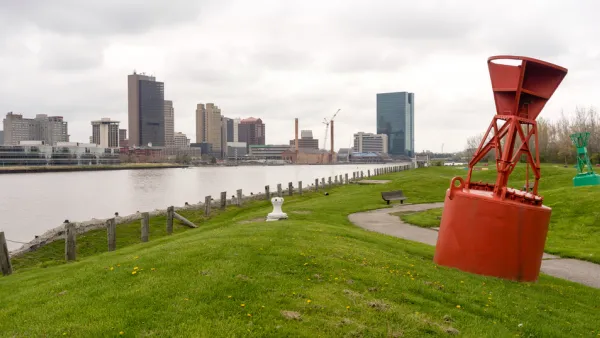
Toledo, Ohio held a special election for voters to decide on the Lake Erie Bill of Rights.
Great Lakes Leaders Call for Drinking Water Protections
In light of August's drinking water catastrophe in Toledo, Ohio, Great Lakes mayors gathered this week to call for policy action to protect water resources round the Great Lakes.
EPA Awards $267 Million to Clean Up and Reuse Contaminated Sites
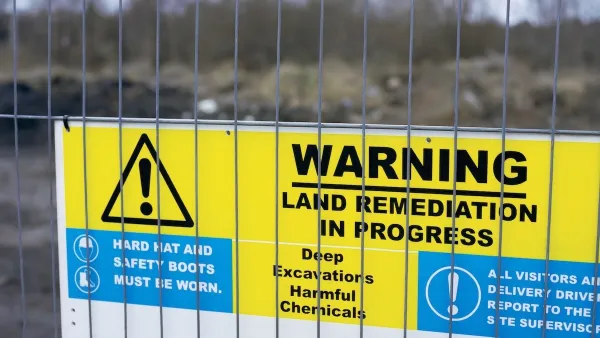
The EPA is investing the funds to clean up and redevelop contaminated sites nationwide, supporting economic growth, community revitalization, and environmental restoration.

Planetizen Federal Action Tracker
A weekly monitor of how Trump’s orders and actions are impacting planners and planning in America.

The state-sanctioned urbicide of Austin
People don’t kill cities. Freeways do.

US to reduce Colorado River water deliveries to Mexico
A new Colorado Treaty amendment reduces Mexico’s Colorado River water allocation by 250,000 acre feet.

Nation's most wind-powered state turns to coal as data centers increase energy demand
For the first time in decades, Iowa has increased its generation of coal power.

NYC cools commuters with city's first rain garden above a bus stop
New York City officials say the plants in the rain garden can absorb 16 gallons of rainwater during heavy storms.

Brightline West’s future may rely on $6 billion federal loan
The company has until Nov. 2 to make a $400 million equity investment into its proposed high-speed rail line.

FREE Course: Walkable City 1: Why Walkability?
After describing his path towards focusing on walkability as the essence of good planning, Jeff Speck marches through his five principal reasons for making more walkable places.
Reinventing Malls: Planning Alchemy—Turning Gray Fields Into Gold
The course focuses on the opportunities and imperatives that shape reinvention of mall sites.

Greater Baltimore Committee
Eagle County Government
Harvard University Graduate School of Design
The Architects Foundation
University of Cincinnati Online
The Pocatello Development Authority
The Urban Renewal Agency of the City of Pocatello
Journal of the American Planning Association