The MTA passes will be half priced, but advocates say riders still need other less costly transit options.


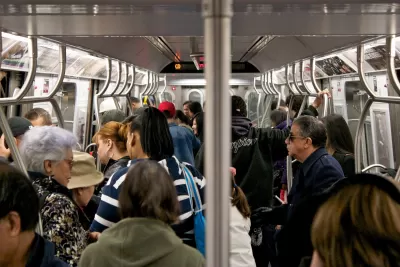
The New York Metropolitan Transportation Authority announced that discounted MetroCards will be available to low-income riders in January. The 7-day and 30-day transit passes will cost half of the regular price.
“The city is paying for the subsidized fare program, phase one of which will cost the city about $106 million. When fully implemented, the plan is expected to cost the city $212 million annually,” reports Dan Rivoli and Michael Gartland.
The MTA says it wants to make transit accessible to all travelers, but transit advocates are concerned that the passes will be the only available discount. They say that some riders might struggle with the cost of a weekly or monthly pass, even with the discount, and that many prefer to pay the single-ride fare. City officials say that starting with the passes allowed them to put the program into place faster, and they will make adjustments in the future, if necessary.
Read the full story: Half-priced MetroCards for lower-income New Yorkers coming with New Year
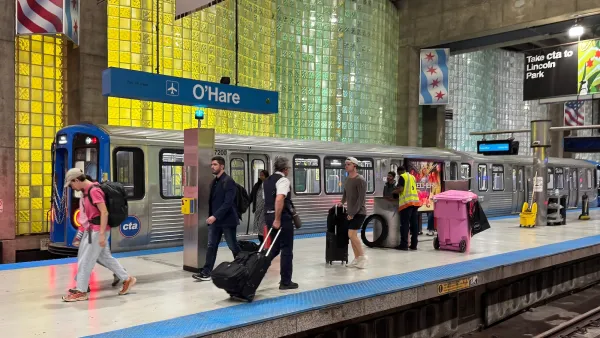
CTA underestimated Chicago transit ridership by 19 million trips
The agency is moving from using farebox data and manual video reviews to automatic counters that more accurately measure the total number of riders, whether or not they pay full fares.
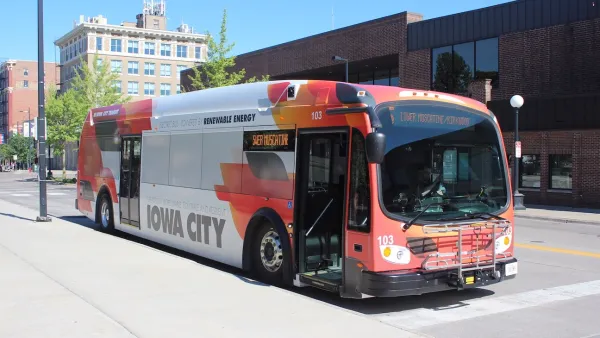
Iowa City's free bus program made ridership spike by 68%. Now, it could go away.
The bus system gained roughly 700,000 new riders since it launched free service in 2023.

San Francisco Muni Raises Fares a Second Time
A 10–cent fare hike for adults is part of the agency’s plan to chip away at a growing budget deficit.

Planetizen Federal Action Tracker
A weekly monitor of how Trump’s orders and actions are impacting planners and planning in America.

California plans to bury El Niño’s downpour
If the state plays its cards right, it may be able to store a billion acre-feet of El Niño’s water in aquifers.

Desperate measures: Advocates weigh draining Lake Powell to fill Colorado River
Draining the reservoir could reduce evaporation losses by a couple hundred thousand acre-feet.

Chicago voters approve permanent festival grounds, penalty for vacant property owners
Currently, major summer and fall festivals take over public parks for weeks at a time, drawing criticism from nearby residents

NYC votes to cut outdoor dining red tape, speed up permitting
New York City also voted to allow the Department of Transportation to begin work on urgent projects before notifying elected officials.

California appears to reject Prop. 45
The proposition would have expanded the projects that qualify for a streamlined environmental review, effectively paring down the California Environmental Quality Act.

FREE Course: Walkable City 1: Why Walkability?
After describing his path towards focusing on walkability as the essence of good planning, Jeff Speck marches through his five principal reasons for making more walkable places.
Reinventing Malls: Planning Alchemy—Turning Gray Fields Into Gold
The course focuses on the opportunities and imperatives that shape reinvention of mall sites.

City of Rosemead
Rutgers University, Edward J. Bloustein School of Planning and Public Policy
One Hundred Miles
Hunter College, City University of New York (CUNY)
The Architects Foundation
University of Cincinnati Online
City of Cambridge
Montrose County
The Pocatello Development Authority