New proposals targeting customers could derail solar energy’s future in the state.


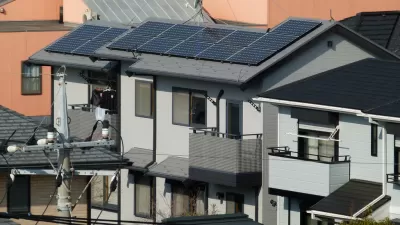
Michigan is the latest state dealing with threats to net metering, a policy that allows energy customers with solar panels to sell extra power back to the grid. In Michigan, DTE Energy currently pays full retail price for this surplus power.
But, the company is seeking changes that renewable energy advocates say will slow down solar expansion in the state. It wants to reduce the payment rate by 75 percent. In addition, it is proposing a monthly fee for solar energy customers. “DTE declined to say what the impact of its proposal would be for solar panel owners, but Vote Solar estimates that the proposed changes would mean a homeowner with a 5 kilowatt system loses about $498 per year,” reports Dan Gearino.
Solar is starting to take off in Michigan so these proposed changes could severely hamper its growth. Gearino says Nevada dropped its net-metering rates in 2015 with severe consequences:
Solar growth came to a near-standstill, and major solar installers, including Sunrun and SolarCity, announced they were stopping local operations, closing offices and cutting hundreds of jobs. The backlash forced the state to reverse course in 2017, and Republican Gov. Brian Sandoval signed a bill restoring net-metering payments.
What is happening in Michigan is occurring in other states, as utility companies respond to what they perceive to be a threat to their bottom lines. “What the discussion lacks, [David] Littell said, is a model policy that both utility groups and clean energy advocates will concede is fair,” adds Gearino.
Read the full story: High-Stakes Fight Over Rooftop Solar Spreads to Michigan

Study: States approved 90% of renewable energy projects between 2018 and 2024
Ohio had the highest rejection rate for wind and solar proposals.
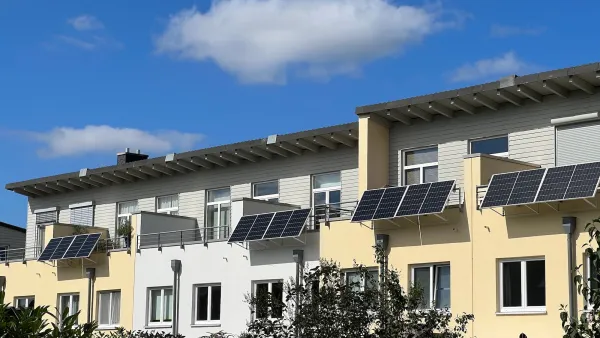
28 States and DC Could Legalize ‘Balcony Solar’
Plug-in solar panels, which are becoming popular across Europe, live in a regulatory gray area in the United States.
Feds Terminate $7.56 Billion for Clean Energy Projects
The Department of Energy canceled awards to over 200 renewable energy projects.

Planetizen Federal Action Tracker
A weekly monitor of how Trump’s orders and actions are impacting planners and planning in America.

The state-sanctioned urbicide of Austin
People don’t kill cities. Freeways do.

Colorado’s Largest Data Center Could Rise Next to Homes — Without a Public Hearing
The proposed campus would consume 11 times the power of Denver International Airport; as it has across the country, opposition mounts.

Judges permit Denver to divert 77,000 acre feet from the Colorado River for reservoir expansion
Overuse and climate change have caused the Colorado River’s water levels to plummet.
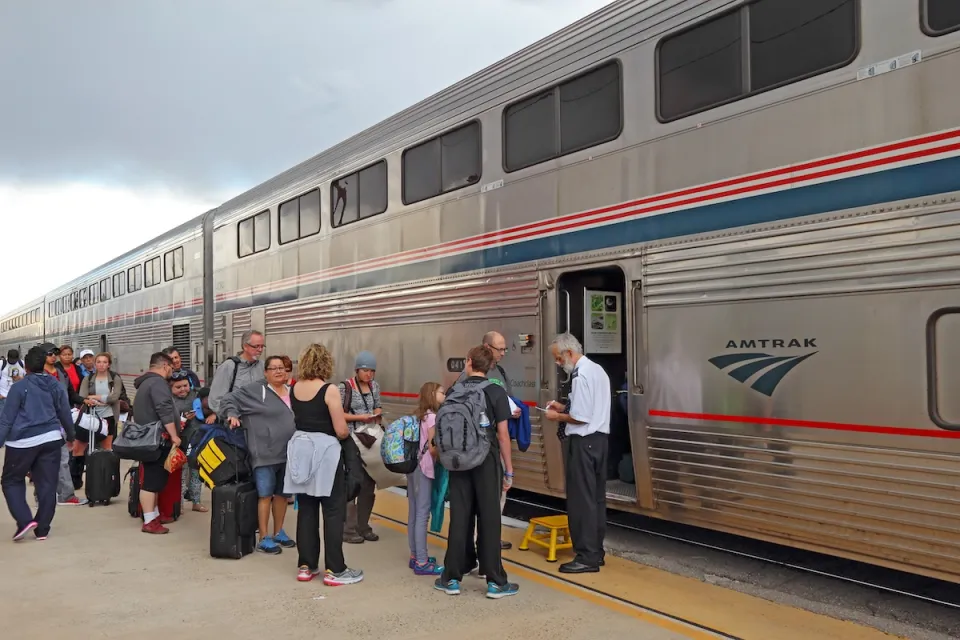
Amtrak, CN end decades-long dispute with eight-year agreement
The new operating agreement establishes an updated framework for the companies to work together, including processes to resolve disputes.
Raised interest rates may kill financially vulnerable construction projects
The chief economist at ConstructConnect warns that if construction project owners are negatively impacted by the raised rates, it could result in delayed payments to contractors.

FREE Course: Walkable City 1: Why Walkability?
After describing his path towards focusing on walkability as the essence of good planning, Jeff Speck marches through his five principal reasons for making more walkable places.
Reinventing Malls: Planning Alchemy—Turning Gray Fields Into Gold
The course focuses on the opportunities and imperatives that shape reinvention of mall sites.

Greater Baltimore Committee
Eagle County Government
Harvard University Graduate School of Design
The Architects Foundation
University of Cincinnati Online
The Pocatello Development Authority
The Urban Renewal Agency of the City of Pocatello
Journal of the American Planning Association