St. Louis politicians are embroiled in controversy over the city's use of tax abatements, which come at the expense of funding for the city's school district. A map is seen as part of the solution.


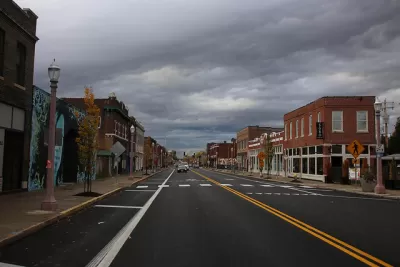
"St. Louis economic development officials are finalizing a map to guide where property tax abatement will be offered in the city as part of a months-long effort to establish more parameters for the commonly used incentive," reports Jacob Barket.
Alderman Scott Ogilvie, a member of St. Louis Board of Aldermen's Housing, Urban Development and Zoning committee, is quoted in the article saying, "In terms of giving people more confidence that we’re using tax abatement appropriately, the map would go a long way…"
St. Louis' tax abatements "freeze property assessments when investors plan to put money into new development," explains Barker, dropping potential revenue by an estimated $30 million in 2017, according to Maier. Most of that funding would have gone to the school district, setting up an ongoing political conflict.
FULL STORY: St. Louis eyes new guidelines for tax abatement

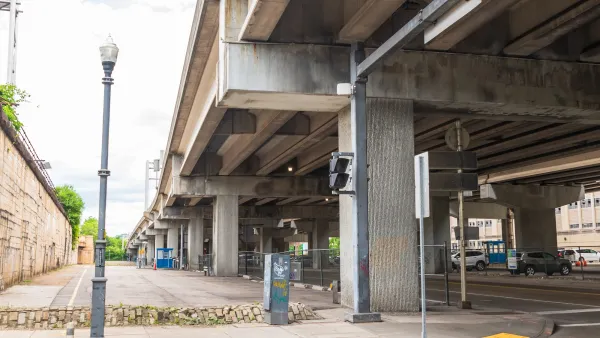
Report: Land Under US Highways Could Earn Over $5 Billion in Property Taxes Yearly
An analysis of 142 U.S. cities reveals the economic potential of land used for highways.
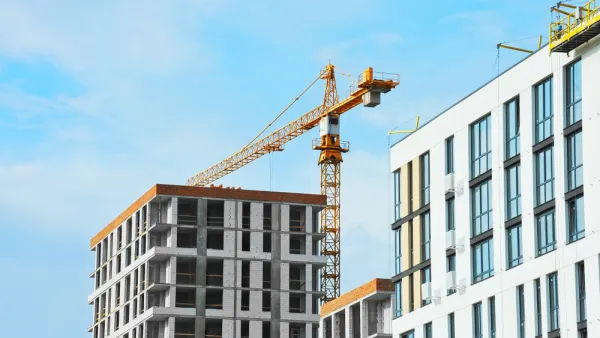
A Menu of Proposed Housing Policy Reforms
The Mercatus Center published a list of 16 policy recommendations designed to help states clear local obstacles for housing construction.

Dallas Eyes Big Property Tax Increase to Cover COVID-19 Losses
Dallas will need voter approval to overcome tax increase obstacles put in place by the Texas State Legislature.

Planetizen Federal Action Tracker
A weekly monitor of how Trump’s orders and actions are impacting planners and planning in America.

The state-sanctioned urbicide of Austin
People don’t kill cities. Freeways do.

US to reduce Colorado River water deliveries to Mexico
A new Colorado Treaty amendment reduces Mexico’s Colorado River water allocation by 250,000 acre feet.

Guerilla urbanists are building DIY bus stop benches in Chicago
A before-and-after of one of the bus stops with a new bench. The new benches are not officially sanctioned or permitted, but the residents who placed them hope they will be the start of a network of DIY benches across the city.

Mamdani overhauls NYC's Vision Zero plan with 100 new policy goals
The overhaul aims to reduce traffic deaths and make streets safer for pedestrians, cyclists and drivers through lower speed limits, new safety infrastructure and more.

Amtrak not solely to blame for New Jersey commuter rail's unreliability, report finds
A new study from the Garden State Initiative found that NJ Transit’s budget grew 20% across a 4 year period, but reliability declined significantly over the same period.

FREE Course: Walkable City 1: Why Walkability?
After describing his path towards focusing on walkability as the essence of good planning, Jeff Speck marches through his five principal reasons for making more walkable places.
Reinventing Malls: Planning Alchemy—Turning Gray Fields Into Gold
The course focuses on the opportunities and imperatives that shape reinvention of mall sites.

Eagle County Government
Harvard University Graduate School of Design
Nashville Planning Department
The Architects Foundation
University of Cincinnati Online
The Pocatello Development Authority
The Urban Renewal Agency of the City of Pocatello
Journal of the American Planning Association