Trump’s tariffs on steel and other building materials are driving up building costs slowing development and pushing up rents.


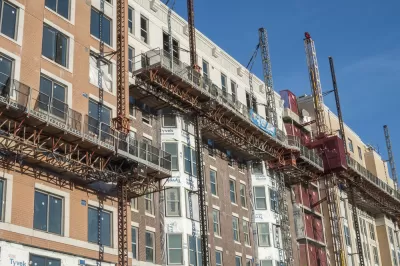
Developers in Boston are worried about the spate of new tariffs from the Trump administration. "Tariffs imposed recently by the Trump administration on some of the country’s biggest trading partners are driving up the prices of lumber, steel, aluminum, and other building materials," Tim Logan and Adam Vaccaro write for The Boston Globe. When developers don't build, that slows down supply of housing. "In some cases, that could mean higher rents on apartments or more tax dollars spent on a new bridge," Logan and Vaccaro report.
Because the development cycle takes place over many years, changes in the price of materials can make a huge difference. Businesses want predictability. Rising costs also affect government projects, the city of Boston anticipates the bump in material costs will add $7.5 million dollars in additional cost to the projects. The added costs will have effects that go well beyond Boston.
Some developers are avoiding high raw steel tariffs by buying prefabricated steel products, like pipes and beams, in Canada and trucking them to the United States.
Read the full story: Tariffs are making it more expensive to build in Boston — and that could push rents even higher
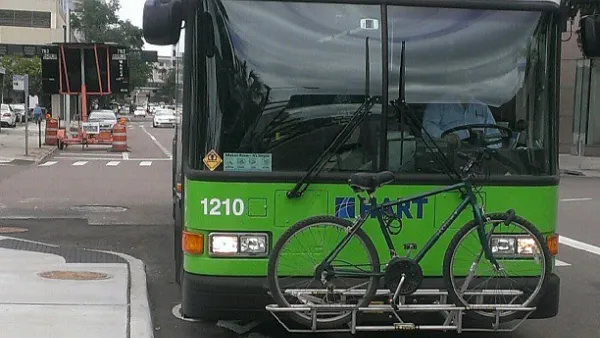
Tampa Bus Project In Jeopardy, Waiting for Funds From Trump’s Federal Transit Administration
The St. Petersburg Bus Rapid Transit is waiting for funding promised by Congress but yet to be paid out by the Federal Transit Administration.
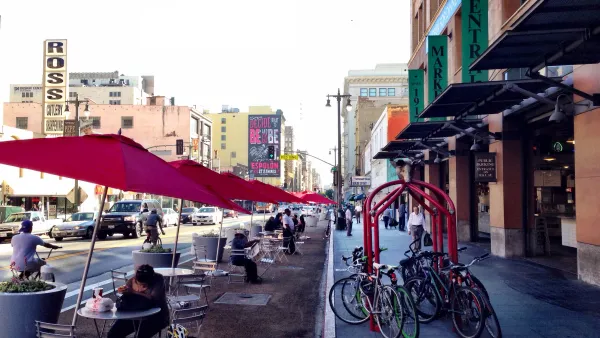
Top Housing Markets In 2017: Phoenix, Los Angeles, Boston
The National Association of Realtors weigh in on 2017 housing forecast.
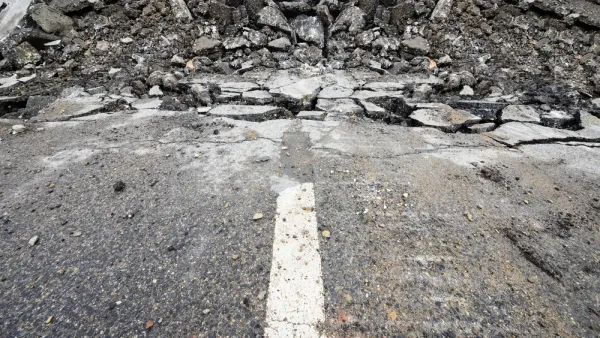
New Trump Infrastructure Plan: A Trillion Dollars for New Roads Without Spending a Dime
Trump plans to authorize $137 billion in tax credits to private construction companies to build projects with tolls and other future cash streams to them to spur building and the economy.

Planetizen Federal Action Tracker
A weekly monitor of how Trump’s orders and actions are impacting planners and planning in America.

California plans to bury El Niño’s downpour
If the state plays its cards right, it may be able to store a billion acre-feet of El Niño’s water in aquifers.

Desperate measures: Advocates weigh draining Lake Powell to fill Colorado River
Draining the reservoir could reduce evaporation losses by a couple hundred thousand acre-feet.

US buildings threatened, destroyed by fires set to triple by 2060
Researchers found a high fire risk for socioeconomically vulnerable neighborhoods in the American West.

LA residents may be allowed to paint their own crosswalks
Councilwoman Katy Yaroslavsky put out a motion instructing the Los Angeles Department of Public Transportation to study the feasibility of allowing volunteers to paint crosswalks.

Dallas moves to overhaul its zoning code
The city's zoning reform will allow more multi-family and mixed-use developments.

FREE Course: Walkable City 1: Why Walkability?
After describing his path towards focusing on walkability as the essence of good planning, Jeff Speck marches through his five principal reasons for making more walkable places.
Reinventing Malls: Planning Alchemy—Turning Gray Fields Into Gold
The course focuses on the opportunities and imperatives that shape reinvention of mall sites.

City of Rosemead
Rutgers University, Edward J. Bloustein School of Planning and Public Policy
One Hundred Miles
Hunter College, City University of New York (CUNY)
The Architects Foundation
University of Cincinnati Online
City of Cambridge
Montrose County
The Pocatello Development Authority