An idea that began with a group of parents looking for a place for their kids to play will become a reality.


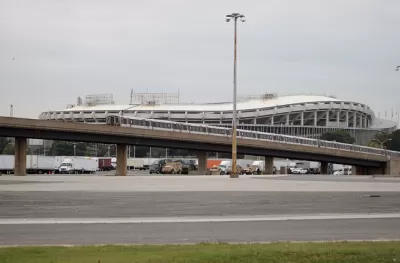
"Starting this fall (if the permitting process goes smoothly), parking lots north of RFK Stadium are scheduled to be converted to playing fields," reports Bob Coomber.
The story of how the project came to be is remarkable, to say the least. Parents looking for new places for their kids to play soccer came up with an idea to turn the parking lots into soccer fields. "The group of parents decided to call their idea the Capitol Riverside Youth Sports Park, or 'CRYSP,'" according to Coomber. The CRYSP parents got the neighborhood behind it, then their local councilmembers, and then Events DC, the entity that owns the land.
Eventually, the quality of the proposal won out. "The stadium and CRYSP could cohabitate the 190 acres of the RFK site. The city could save money on impervious surface fees by introducing acres of pervious playing fields instead of impervious pavement. Plus, the area is in a floodplain, which means that habitable structures aren’t really an option," according to Coomber.
The designs for the final product have changed some; an international architect eventually joined the team. But, the first item on the list for the future of the site remains playing fields.
FULL STORY: NE DC is turning vacant parking lots into playing fields, thanks to these parents

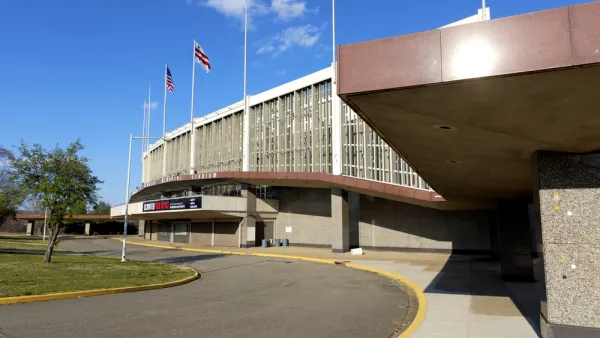
D.C. Will Say Goodbye to RFK Stadium
It's last sporting tenant departed in 2017, and the District has large redevelopment plans for the site, but the decision to finally raze RFK Stadium has only recently been made official.
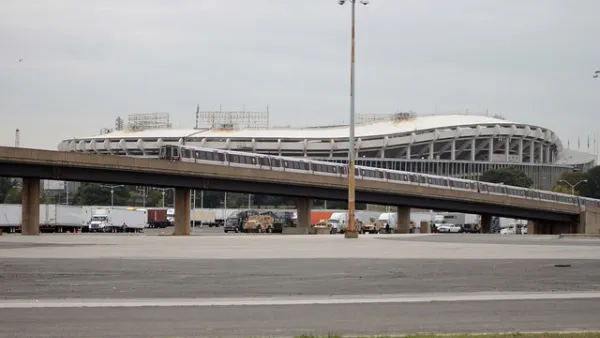
$489.6 Million Redevelopment of Former Sports Stadium Breaks Ground in D.C.
RFK Stadium, former home to professional football, soccer, and baseball teams, is done. A massive redevelopment has begun, starting with new sports fields for kids.
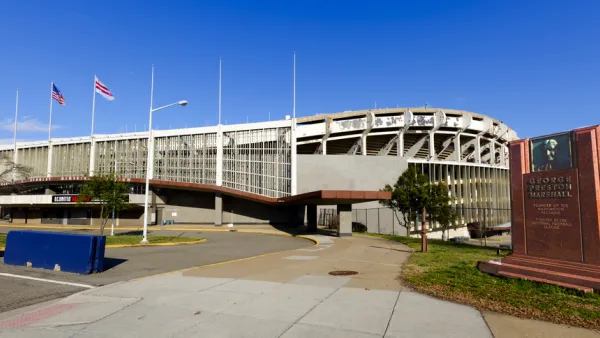
RFK Memorial and Redevelopment Plan Proposed for Old Stadium Site
RFK Stadium in Washington, D.C. lost its last tenant in late 2015, and now D.C. leaders have a new plan for the site.

Planetizen Federal Action Tracker
A weekly monitor of how Trump’s orders and actions are impacting planners and planning in America.

The state-sanctioned urbicide of Austin
People don’t kill cities. Freeways do.

US to reduce Colorado River water deliveries to Mexico
A new Colorado Treaty amendment reduces Mexico’s Colorado River water allocation by 250,000 acre feet.

Colorado’s Largest Data Center Could Rise Next to Homes — Without a Public Hearing
The proposed campus would consume 11 times the power of Denver International Airport; as it has across the country, opposition mounts.

5 New England states march closer to 800 megawatt wind energy project
Securing federal approval for the project may be complicated under the Trump administration, which has historically been hostile towards domestic wind power.

Baltimore to break ground on $50 million Transit Priority Project
The project will bring faster bus trips, safer streets and better bike connections to Baltimore.

FREE Course: Walkable City 1: Why Walkability?
After describing his path towards focusing on walkability as the essence of good planning, Jeff Speck marches through his five principal reasons for making more walkable places.
Reinventing Malls: Planning Alchemy—Turning Gray Fields Into Gold
The course focuses on the opportunities and imperatives that shape reinvention of mall sites.

Eagle County Government
Harvard University Graduate School of Design
Nashville Planning Department
The Architects Foundation
University of Cincinnati Online
The Pocatello Development Authority
The Urban Renewal Agency of the City of Pocatello
Journal of the American Planning Association