A ranking system that puts the tenants' rights debate on a spectrum, from renter friendly to landlord friendly.


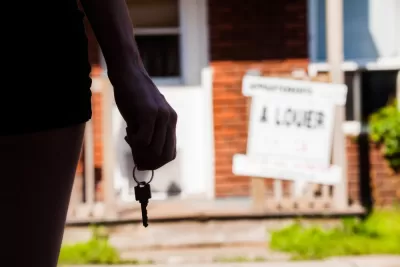
RentCafé created a ranking system to rate states by whether their housing laws favor renters and landlords. The ranking system was built by focusing on "10 common aspects of the landlord-tenant relationship, which include security deposits, rent increases, the warranty of habitability and eviction notices," according to a post explaining the rankings, written by Nadia Balint.
Vermont is the most renter-friendly state, according to this ranking, while Delaware, Hawaii, Rhode Island, Arizona, D.C., Maine, and Alaska appeared near the end of the renter-friendly end of the spectrum. On the other extreme, Arkansas and West Virginia are the least renter-friendly (also known as landlord-friendly, depending on your perspective). Louisiana, Georgia, Wyoming, North Carolina, Idaho, Ohio, Mississippi, and Colorado also populate that end of the spectrum.
RentCafé also created an interactive map to showcase the score of each state.
The article also includes a section devoted to how the local culture in each state played out in the development of tenant protection laws in each state.
FULL STORY: Which States Have the Best and Worst Laws for Renters?


No Evictions for Less Than $600, Says New D.C. Law
As part of a bill that made many COVID-era tenant protections permanent, the District voted to ban eviction filings for households owing less than $600 in back rent.

Tech Tools Help Tenants Push Back Against Problematic Landlords
Shelterforce found more than a dozen examples of tenant-serving technology that help renters identify landlords, respond to eviction, fight back against housing discrimination, and more.
Supreme Court Landlord Appeal Case Could Overturn Tenant Protections
A legal case claiming that COVID-era eviction moratoriums were unconstitutional could spell trouble for tenant protections.

Planetizen Federal Action Tracker
A weekly monitor of how Trump’s orders and actions are impacting planners and planning in America.

The state-sanctioned urbicide of Austin
People don’t kill cities. Freeways do.

US to reduce Colorado River water deliveries to Mexico
A new Colorado Treaty amendment reduces Mexico’s Colorado River water allocation by 250,000 acre feet.

5 New England states march closer to 800 megawatt wind energy project
Securing federal approval for the project may be complicated under the Trump administration, which has historically been hostile towards domestic wind power.

Baltimore to break ground on $50 million Transit Priority Project
The project will bring faster bus trips, safer streets and better bike connections to Baltimore.

Airbnb launches $250 million 'last-dollar financing' housing accelerator, makes first investment in Austin
The company will put $6.4 million towards affordable housing development in Texas’ capital.

FREE Course: Walkable City 1: Why Walkability?
After describing his path towards focusing on walkability as the essence of good planning, Jeff Speck marches through his five principal reasons for making more walkable places.
Reinventing Malls: Planning Alchemy—Turning Gray Fields Into Gold
The course focuses on the opportunities and imperatives that shape reinvention of mall sites.

Eagle County Government
Harvard University Graduate School of Design
Nashville Planning Department
The Architects Foundation
University of Cincinnati Online
The Pocatello Development Authority
The Urban Renewal Agency of the City of Pocatello
Journal of the American Planning Association