Opportunity Zones—a new federal program that flew under the radar of the GOP tax reform bill signed at the end of 2017—has been moving along and attracting new attention from media outlets.


A growing number of articles have been published in the past several weeks and days scrutinizing the potential impact of the new Opportunity Zones program, created by the GOP tax reform bill of 2017 to provide new economic development opportunities for struggling communities across the density spectrum.
The deadline for governors to submit economically distressed communities for eligibility in the Opportunity Zones program came and went on March 21, with states like Ohio, Texas, and South Carolina making news for their selections. With that major benchmark in the program past, more media outlets are beginning to ponder the potential consequences of the program. Here's a roundup of recent and relevant news and commentary:
- Maximizing the impact of new Opportunity Zones requires transparency and citizen engagement (Brookings, April 16)
- Why Entrepreneurs of Color Are Struggling (CityLab, April 23)
- New Redevelopment Tax Incentive Program Starting to Take Shape (Next City, April 23)
- A New Tax Break for Poor Neighborhoods Could Benefit Luxury Developers (Bloomberg BusinessWeek, April 23)
- The Obscure Tax Program That Promises to Undo America's Geographic Inequality (CityLab, April 25)
- With $6 Trillion In Potential Investment On The Line, Opportunity Zones Begin To Take Shape (Bisnow, April 25)
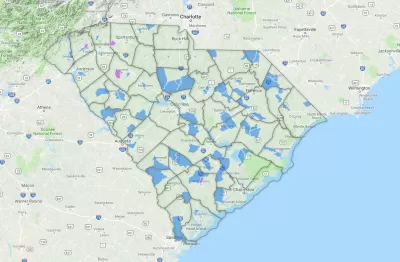
Opportunity360, created by Enterprise Community Partners, has also created an interactive map it's calling the "Opportunity Zone Eligibility Tool" that shows which census tracts have been designated by governors for eligibility under the program.
FULL STORY: Opportunity Zone Eligibility Tool by Opportunity360

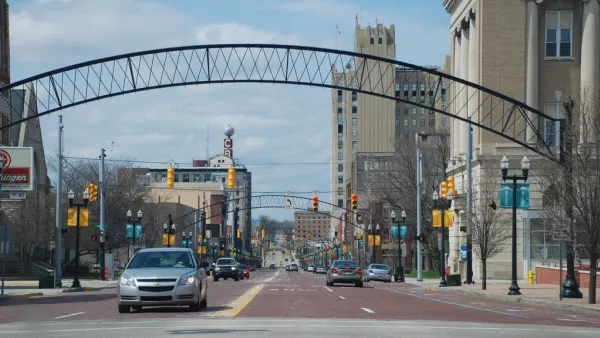
Mapping Potential 'Opportunity Zones'
The GOP tax reform bill enabled a potentially powerful new funding mechanism for struggling communities.
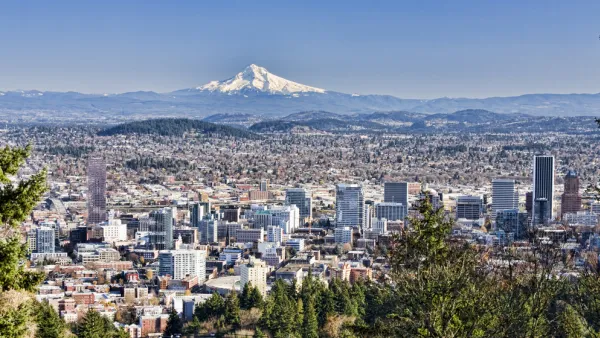
Oregon's 86 Opportunity Zones Include 'High Rent' Districts in Portland
Oregon is the latest state to join the nascent federal program, which is designed to stimulate investment in distressed areas.

Ohio Announces 320 'Opportunity Zones'
The new Opportunity Zones program is one to watch as states around the country throw their hats in the ring.

Planetizen Federal Action Tracker
A weekly monitor of how Trump’s orders and actions are impacting planners and planning in America.

The state-sanctioned urbicide of Austin
People don’t kill cities. Freeways do.

US to reduce Colorado River water deliveries to Mexico
A new Colorado Treaty amendment reduces Mexico’s Colorado River water allocation by 250,000 acre feet.

Mamdani overhauls NYC's Vision Zero plan with 100 new policy goals
The overhaul aims to reduce traffic deaths and make streets safer for pedestrians, cyclists and drivers through lower speed limits, new safety infrastructure and more.

Amtrak not solely to blame for New Jersey commuter rail's unreliability, report finds
A new study from the Garden State Initiative found that NJ Transit’s budget grew 20% across a 4 year period, but reliability declined significantly over the same period.

EPA erases limits on planet-warming pollution from power plants
Under Monday’s plan, power plants would still have some limits on how much mercury, arsenic and other contaminants they can emit.

FREE Course: Walkable City 1: Why Walkability?
After describing his path towards focusing on walkability as the essence of good planning, Jeff Speck marches through his five principal reasons for making more walkable places.
Reinventing Malls: Planning Alchemy—Turning Gray Fields Into Gold
The course focuses on the opportunities and imperatives that shape reinvention of mall sites.

Eagle County Government
Harvard University Graduate School of Design
Nashville Planning Department
The Architects Foundation
University of Cincinnati Online
The Pocatello Development Authority
The Urban Renewal Agency of the City of Pocatello
Journal of the American Planning Association