The CTA just raised fares, but some think if the service were truly committed to equity it should be made free.


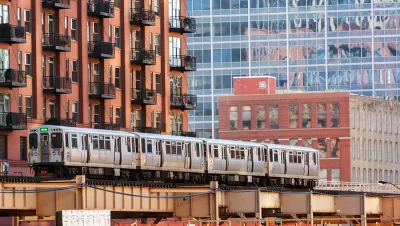
Jahmal Cole, founder of Chicago non-profit My Block, My Hood, My City told a recent planning panel on segregation in Chicago that he thought the CTA should be free. Cole thinks dropping the fare would give many Chicagoans who don't get to see the rest of the city access to careers, education, and cultural resources that they just can't access now. While the idea might sound utopian, it's an idea that's being proposed in other cities as well, Anne Hidalgo, Paris' mayor announced a study that could lead to free public transit in that city.
"Coaxing more people out of cars and onto buses and el trains would mean less congestion, pollution, and crashes, which would lead to less lost productivity and property damage, lower bills for public health and first responder services, and less wear and tear on roads," John Greenfield argues in the Chicago Reader. Still CTA representatives point out this plan is unlikely under current law. "State legislation that has been in place for 70 years requires the transit system to recoup half of its annual operating budget ($1.51 billion in 2018) from fare-box revenue," Greenfield reports. In fact, fares went up on January 7th of this year.
This doesn't mean the city couldn't subsidize fares for those with low incomes. "The Seattle-area transit authority currently offers the Orca Lift program, with $1.50 fares for residents earning less than 200 percent of the federal poverty level, similar to Chicago’s Divvy for Everyone discounted bike-share program," Greenfield writes.
FULL STORY: Should the CTA be free? Why not?

Accounting for Seasonal Variations in Transportation Mode
People use different transportation systems depending on the time of year, yet transportation planning rarely accounts for this seasonal variation.
Multi-Modal Trip Planning in Chicago? There Ought to Be an App for That
Samuel Baron makes the case that Divvy, Chicago's "newest transportation system," should be better integrated with the city's other public transport systems.
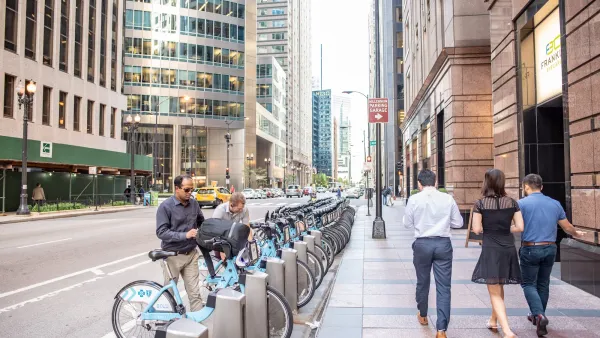
Chicago to Add or Upgrade 200 Bike Share Stations
The Divvy bike share system saw its highest ridership ever in 2025 with 6.8 million trips.

The state-sanctioned urbicide of Austin
People don’t kill cities. Freeways do.

US to reduce Colorado River water deliveries to Mexico
A new Colorado Treaty amendment reduces Mexico’s Colorado River water allocation by 250,000 acre feet.

New Jersey’s second-largest city bans standalone data centers
Jersey City will continue to allow co-location facilities, such as those meant for research institutions that store their own data.

Amtrak not solely to blame for New Jersey commuter rail's unreliability, report finds
A new study from the Garden State Initiative found that NJ Transit’s budget grew 20% across a 4 year period, but reliability declined significantly over the same period.

EPA erases limits on planet-warming pollution from power plants
Under Monday’s plan, power plants would still have some limits on how much mercury, arsenic and other contaminants they can emit.

Phoenix announces new on-demand transit service, more frequent RAPID buses
Both new services will launch in October, and are part of Phoenix's Project Effective Access Solutions for Easing Congestion.

FREE Course: Walkable City 1: Why Walkability?
After describing his path towards focusing on walkability as the essence of good planning, Jeff Speck marches through his five principal reasons for making more walkable places.
Reinventing Malls: Planning Alchemy—Turning Gray Fields Into Gold
The course focuses on the opportunities and imperatives that shape reinvention of mall sites.

Eagle County Government
Harvard University Graduate School of Design
Nashville Planning Department
The Architects Foundation
University of Cincinnati Online
The Pocatello Development Authority
The Urban Renewal Agency of the City of Pocatello
Journal of the American Planning Association