The expansion of the built environment proceeds with little regard for the loss of biodiversity, and the planning field isn't doing enough to help.


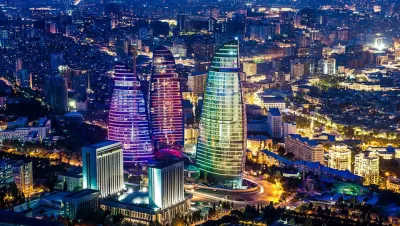
Richard Weller, ASLA, shares news of a study conducted by researchers at the McHarg Center for Ecology and Urbanism at the University of Pennsylvania that maps the conflict between humanities growing footprint and the planet's loss of biodiversity.
"The study, of which these maps are a part, is titled Hotspot Cities and focuses on urban growth in the world’s 36 so-called biodiversity hotspots – large regions where unique flora and fauna is threatened with extinction," explains Weller.
"The study also zooms in on 33 of the biggest and fastest growing of these hotspot cities to assess the degree of imminent conflict between growth and biodiversity," according to Weller. "The cities are Sao Paulo, Los Angeles, Houston, Cape Town, Port-au-Prince, Baku, Brasilia, Santiago, Dar es Salaam, Nairobi, Sydney, Lagos, Rawalpindi, Mecca, Guangzhou, Esfahan, Osaka, Antananarivo, Ciudad de México, Durban, Tel Aviv, Guadalajara, Tashkent, Chengdu, Auckland, Davao, Honolulu, Perth, Jakarta, Bogotá, Guayaquil, Makassar (Ujung Padang), Colombo."
The article shares some examples of these hotspot maps, along with a startling conclusion about the lack of long range planning to address and mitigate the loss of biodiversity in most of the world's sprawling places.
Read the full story: New Maps Show How Urban Sprawl Threatens the World’s Remaining Biodiversity


Cities Have Doubled in Size Globally in the Last 20 Years, Study Says
New research from China finds an incredible rate of urban expansion in North America and China.
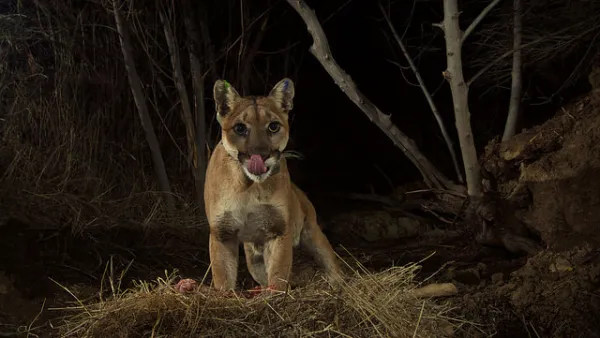
The Best Locations for L.A.’s Mountain Lion Freeway Bridges
A coalition of researchers have identified one area near the 101 and other near I-15 that would help keep the big cats alive and healthy.
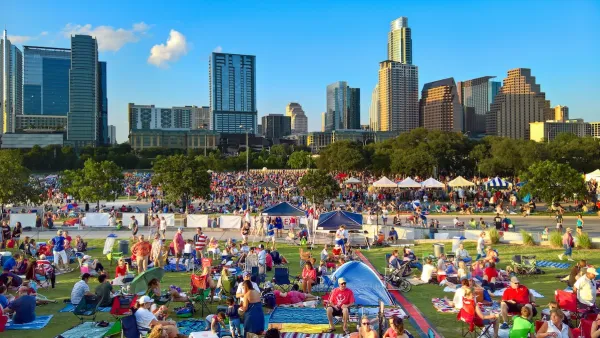
Texas Could Have the Nation’s 3 Largest Cities by 2100. Are They Ready to Embrace Density?
Houston, Dallas, and Austin are growing fast. The old sprawl model is no longer sustainable.

Planetizen Federal Action Tracker
A weekly monitor of how Trump’s orders and actions are impacting planners and planning in America.

‘Going backwards:’ Baltimore mayor, students rally against state's transit funding plan
Maryland's proposed six-year plan provides no funding for Baltimore’s BMORE bus program and reduces its road maintenance funding.

Detroit to transform waterfront with $2.2 billion investment
Developers will convert about 18 acres of unused parking lot space into civic spaces.

Planned $2 billion courthouse in MA sparks tension with local government
Springfield owns an essential piece of the land developers intend to build on, and some city officials do not want to see the project come to fruition.

Californians can now transform balconies into power generators
Gov. Gavin Newsom has legalized plug-in solar technology, which allows residents to plug solar panels directly into their outlets

This 85-year-old ranch is Texas’ newest state park
The 650 acre ranch is one of the largest parcels of land along Lake Palestine.

FREE Course: Walkable City 1: Why Walkability?
After describing his path towards focusing on walkability as the essence of good planning, Jeff Speck marches through his five principal reasons for making more walkable places.
Reinventing Malls: Planning Alchemy—Turning Gray Fields Into Gold
The course focuses on the opportunities and imperatives that shape reinvention of mall sites.

City of Thousand Oaks
City of Wisconsin Rapids
Harvard University Graduate School of Design
The Architects Foundation
University of Cincinnati Online
Northern Illinois Transit Authority (NITA)
The Pocatello Development Authority
The Urban Renewal Agency of the City of Pocatello