The population of Hawaii fell in 2017 for only the third time since 1959. High housing costs are likely to blame.



Andrew Van Dam reports:
Hawaii has the lowest unemployment rate of any state in recorded history, a good economic outlook, and — most attractive at this time of year — little chance of polar vortex or ‘bomb cyclones’. Yet in 2017 its population fell for just the third time since statehood in 1959.
The drop was small in terms of percent, one tenth of a percent, but only a few states also declined in population last year. So, why is this island paradise among the state where population declined in a strong economy?
According to Van Dam, one explanation for these trends stands out: home prices.
Hawaii has the most expensive housing in the nation, according to the home value index from housing website Zillow. Rent costs trail only D.C. and (in some months) California. Overall, Hawaii had the highest cost of living of any state in 2017 (D.C. was higher), the Center for Regional Economic Competitiveness found, and housing was the main driver.
Van Dam also details data on Hawaii's high rate of homelessness, which leads every state after increasing at the fourth-fastest rate in the country over the past decade.
FULL STORY: Hawaii has record-low unemployment and it’s not a frozen hellscape. Why are people leaving?

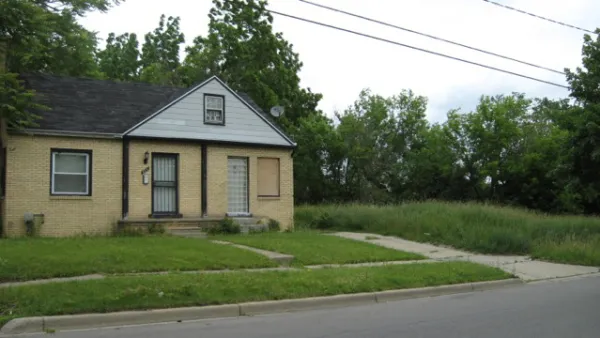
Where Housing Prices Are Too Low
While the housing crisis of expensive coastal cities gets all the attention, many parts of the country are challenged with real estate markets that lack the stability to attract investments.
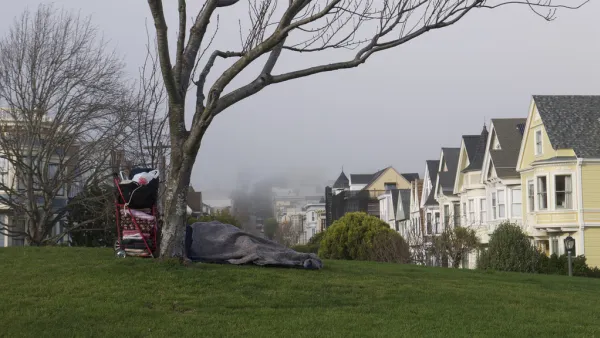
SF Chronicle Editorial Board: Build More Homes to Help the Homeless
And stop changing the subject, adds the Editorial Board of the San Francisco Chronicle.
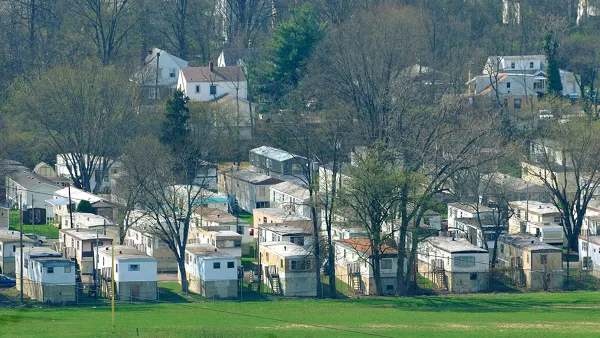
How Mobile Homes Fill a 'Critical Gap' in Affordable Housing
Cities across America have a housing crisis on their hands—should they be talking more about trailer parks?

The state-sanctioned urbicide of Austin
People don’t kill cities. Freeways do.

US to reduce Colorado River water deliveries to Mexico
A new Colorado Treaty amendment reduces Mexico’s Colorado River water allocation by 250,000 acre feet.

New Jersey’s second-largest city bans standalone data centers
Jersey City will continue to allow co-location facilities, such as those meant for research institutions that store their own data.

Amtrak not solely to blame for New Jersey commuter rail's unreliability, report finds
A new study from the Garden State Initiative found that NJ Transit’s budget grew 20% across a 4 year period, but reliability declined significantly over the same period.

EPA erases limits on planet-warming pollution from power plants
Under Monday’s plan, power plants would still have some limits on how much mercury, arsenic and other contaminants they can emit.

Phoenix announces new on-demand transit service, more frequent RAPID buses
Both new services will launch in October, and are part of Phoenix's Project Effective Access Solutions for Easing Congestion.

FREE Course: Walkable City 1: Why Walkability?
After describing his path towards focusing on walkability as the essence of good planning, Jeff Speck marches through his five principal reasons for making more walkable places.
Reinventing Malls: Planning Alchemy—Turning Gray Fields Into Gold
The course focuses on the opportunities and imperatives that shape reinvention of mall sites.

Eagle County Government
Harvard University Graduate School of Design
Nashville Planning Department
The Architects Foundation
University of Cincinnati Online
The Pocatello Development Authority
The Urban Renewal Agency of the City of Pocatello
Journal of the American Planning Association