The newly formed and funded Elevation Community Land Trust will become the largest community land trust in Colorado.



A new community land trust has been launched by private foundations and nonprofits in Denver, seeding the initiative with $24 million in funding.
Jon Murray reports:
By forming the Elevation Community Land Trust and committing that money, its backers aim to create the largest community land trust in Colorado. Within five years, the new organization could assemble a collection of 700 homes scattered across the city and its suburbs — split between existing houses and new townhomes and condos…
Murray also explains how the community land trust model works:
It would do so by holding ownership of the land under each home in a nonprofit trust in perpetuity, leasing the land to the home’s owner for regular payments. Upon reselling the house, owners would pocket a portion, but not all, of any increase in the home’s value. Future buyers would face similar income qualifications.
Murray's coverage of the new community land trust includes a lot more detail about how it will work, in addition to the market realities the initiative will address. For more insight, see additional coverage on the new community land trust by Oscar Perry Abello.

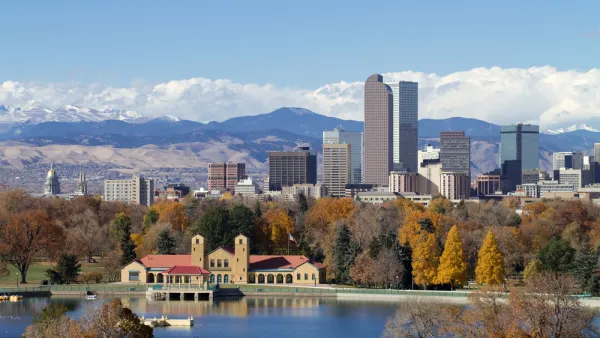
How One Community Land Trust Delivers Housing Affordability to Denver
The Elevation Community Land Trust's unusual ownership structure and strong initial fundraising have given it a solid footing in the Denver area.
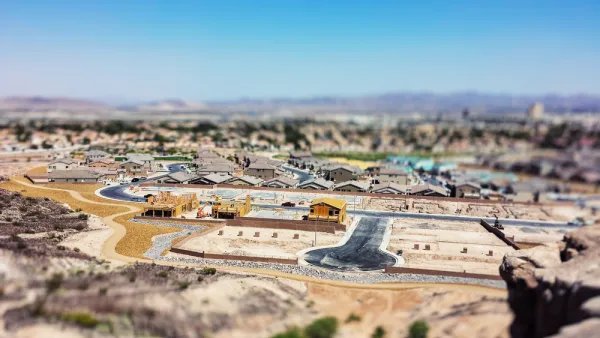
Land Trusts Find Traction in the Spiking Colorado Housing Market
According to an article in The Denver Post, more community land trusts are being created in Colorado to help more find their footing in the housing market.
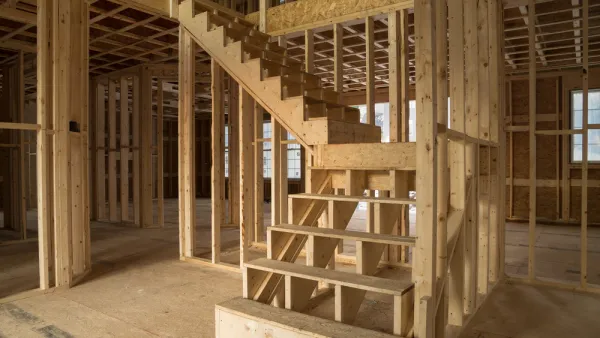
Denver Condo Project Aims for 'Permanent Affordability'
More often the province of rental housing, affordability policies are limited in the for-sale market. A partnership in Denver aims to change that with a mixed-use project including at least 86 condos destined to be "permanently affordable."

The state-sanctioned urbicide of Austin
People don’t kill cities. Freeways do.

US to reduce Colorado River water deliveries to Mexico
A new Colorado Treaty amendment reduces Mexico’s Colorado River water allocation by 250,000 acre feet.

New Jersey’s second-largest city bans standalone data centers
Jersey City will continue to allow co-location facilities, such as those meant for research institutions that store their own data.

Amtrak not solely to blame for New Jersey commuter rail's unreliability, report finds
A new study from the Garden State Initiative found that NJ Transit’s budget grew 20% across a 4 year period, but reliability declined significantly over the same period.

EPA erases limits on planet-warming pollution from power plants
Under Monday’s plan, power plants would still have some limits on how much mercury, arsenic and other contaminants they can emit.

Phoenix announces new on-demand transit service, more frequent RAPID buses
Both new services will launch in October, and are part of Phoenix's Project Effective Access Solutions for Easing Congestion.

FREE Course: Walkable City 1: Why Walkability?
After describing his path towards focusing on walkability as the essence of good planning, Jeff Speck marches through his five principal reasons for making more walkable places.
Reinventing Malls: Planning Alchemy—Turning Gray Fields Into Gold
The course focuses on the opportunities and imperatives that shape reinvention of mall sites.

Eagle County Government
Harvard University Graduate School of Design
Nashville Planning Department
The Architects Foundation
University of Cincinnati Online
The Pocatello Development Authority
The Urban Renewal Agency of the City of Pocatello
Journal of the American Planning Association