A $24 million price tag for a "loopy-lop" pedestrian bridge for Atlanta Falcons fans is called in to question.



In Atlanta, a proposed pedestrian bridge to connect the Vine City MARTA station to Mercedes-Benz Stadium, the new home of the Falcons football team, carries a hefty price tag. At $24 million, the bridge would be more than two blocks in length, intended to bypass a 70 foot crosswalk. The Saporta Report calls for that funding to be spent on improvements that are more needed on an everyday basis, not just gameday.
The proposed bridge would cross over Northside Drive, and including the looping ramps to elevate pedestrians over the roadway, would be 700 feet long. Plans to make Northside Drive into a complete street are already underway, but have not yet been implemented.
The Saporta Report points out that $24 million could pay for 200 traffic signals or address 10% of the city's backlog of broken sidewalks.
We now can embark on a more collaborative, inclusive, rational and efficient way in how we decide to invest in our Atlanta’s future.
"A good place to start would be to stop the pricey, loopy-loop pedestrian bridge over Northside Drive. Then we can reallocate those funds to make Northside Drive a corridor that really connects the people in our city."
FULL STORY: Money to Build Pricey Pedestrian Bridge Over Northside Drive Should be Spent at Street Level

Arts, Sports, and Development in Atlanta
Galleries and clubs ponder inevitable change and gentrification in South Atlanta as developers show interest.

Atlanta Toll Lane Project Gains Support From Cobb County
The Georgia Department of Transportation is continuing work on an expansion of I-285, claiming the new express lanes could cut travel times by as much as 39 percent.
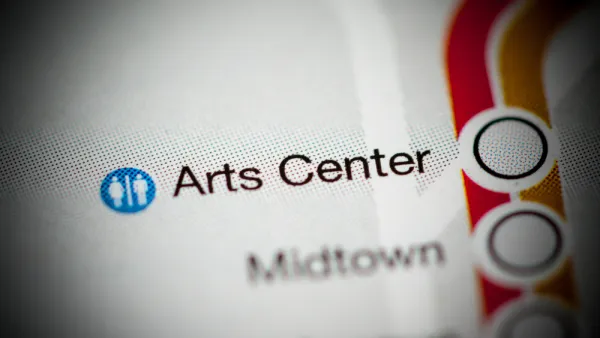
Atlanta Street Extension Project Will Benefit Transit Access
Plans to extend 15th Street in Midtown Atlanta are designed to improve access to the Arts Center MARTA station.

The state-sanctioned urbicide of Austin
People don’t kill cities. Freeways do.

US to reduce Colorado River water deliveries to Mexico
A new Colorado Treaty amendment reduces Mexico’s Colorado River water allocation by 250,000 acre feet.

New Jersey’s second-largest city bans standalone data centers
Jersey City will continue to allow co-location facilities, such as those meant for research institutions that store their own data.

Amtrak not solely to blame for New Jersey commuter rail's unreliability, report finds
A new study from the Garden State Initiative found that NJ Transit’s budget grew 20% across a 4 year period, but reliability declined significantly over the same period.

EPA erases limits on planet-warming pollution from power plants
Under Monday’s plan, power plants would still have some limits on how much mercury, arsenic and other contaminants they can emit.

Phoenix announces new on-demand transit service, more frequent RAPID buses
Both new services will launch in October, and are part of Phoenix's Project Effective Access Solutions for Easing Congestion.

FREE Course: Walkable City 1: Why Walkability?
After describing his path towards focusing on walkability as the essence of good planning, Jeff Speck marches through his five principal reasons for making more walkable places.
Reinventing Malls: Planning Alchemy—Turning Gray Fields Into Gold
The course focuses on the opportunities and imperatives that shape reinvention of mall sites.

Eagle County Government
Harvard University Graduate School of Design
Nashville Planning Department
The Architects Foundation
University of Cincinnati Online
The Pocatello Development Authority
The Urban Renewal Agency of the City of Pocatello
Journal of the American Planning Association