The San Francisco Planning Department is proposing new densities in certain neighborhoods in exchange for building new units for low- and middle-income residents.


"San Francisco’s Board of Supervisors will debate legislation that would relax height and density limits this fall to spur housing projects in neighborhoods like the Marina, Richmond, Western Addition and Sunset – where development can be a third rail," reports Cory Weinberg.
Weinberg adds: "Under a proposal by the Planning Department, developers would be able to build two stories taller than they’re allowed in some parts of the city – or get some relief on city requirements for building parking, rear yard or open space – in exchange for reserving more units for low- and middle-income residents."
The city believes this program will spur the development of 7,000 new housing units in total—with 3,000 of those available to low- and moderate-income residents. Weinberg quotes Kearstin Dischinger of the Planning Department, who argues that the new density in those neighborhoods would shift development interests away from neighborhoods farther east, which have proven to be a political hotbed of opposition to development.
FULL STORY: Big S.F. zoning changes could unlock housing opportunities in development-averse neighborhoods

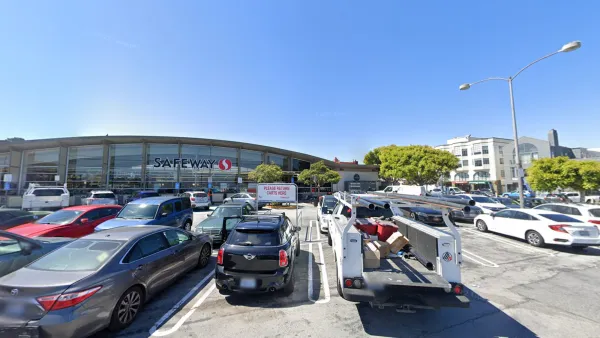
Debate over proposed 800-unit tower in San Francisco reveals generational divide in the housing crisis
Residents of the Marina District are up in arms over a proposed housing development above a Safeway store.
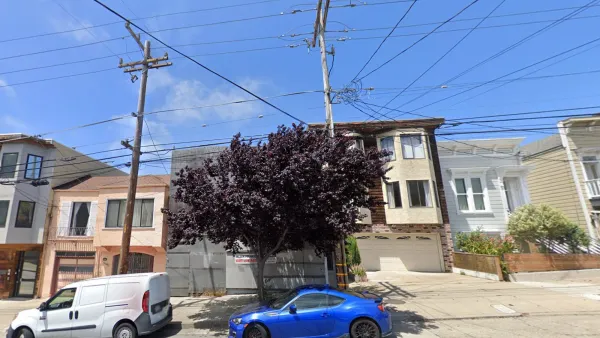
8-story tower is San Francisco's first project approved under new upzoning rules
Some neighbors call the project out of scale for the area, which has not grown beyond two- and three-story buildings in decades.
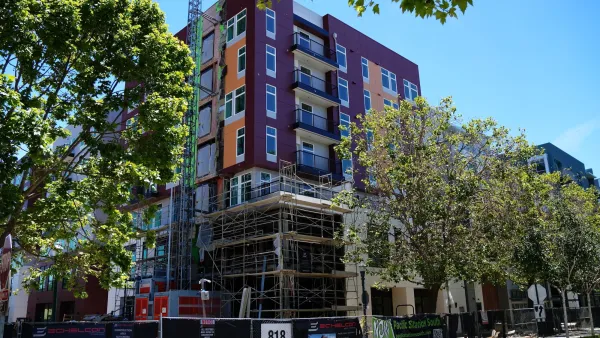
Report: California's density bonus is a 'win-win' for developers and affordable housing
Almost half of new multifamily projects in 2024 relied on a density bonus.

Planetizen Federal Action Tracker
A weekly monitor of how Trump’s orders and actions are impacting planners and planning in America.

The state-sanctioned urbicide of Austin
People don’t kill cities. Freeways do.

US to reduce Colorado River water deliveries to Mexico
A new Colorado Treaty amendment reduces Mexico’s Colorado River water allocation by 250,000 acre feet.

5 New England states march closer to 800 megawatt wind energy project
Securing federal approval for the project may be complicated under the Trump administration, which has historically been hostile towards domestic wind power.

Baltimore to break ground on $50 million Transit Priority Project
The project will bring faster bus trips, safer streets and better bike connections to Baltimore.

Airbnb launches $250 million 'last-dollar financing' housing accelerator, makes first investment in Austin
The company will put $6.4 million towards affordable housing development in Texas’ capital.

FREE Course: Walkable City 1: Why Walkability?
After describing his path towards focusing on walkability as the essence of good planning, Jeff Speck marches through his five principal reasons for making more walkable places.
Reinventing Malls: Planning Alchemy—Turning Gray Fields Into Gold
The course focuses on the opportunities and imperatives that shape reinvention of mall sites.

Eagle County Government
Harvard University Graduate School of Design
Nashville Planning Department
The Architects Foundation
University of Cincinnati Online
The Pocatello Development Authority
The Urban Renewal Agency of the City of Pocatello
Journal of the American Planning Association