The demolition of a Tulsa resident's edible garden, deemed "too tall" by city inspectors, has sparked a civil rights lawsuit, and is generating national attention.


Unemployed and uninsured, Denise Morrison grew more than 100 types of edible plants in her yard, which she used for food and medicinal purposes. That was before city inspectors, responding to a complaint, deemed the plants too tall and told her they needed to be removed.
As Sarah Laskow notes: "Morrison knew she was in the right; she had read the city code, which allowed plants over 12 inches if they were meant for human consumption. Hers were, so she got the police involved. They issued a citation, and she and the city went before a judge in August. The judge told them to come back in October."
"The next day, the city came to Morrison's yard and bulldozed her plants."
"Now", writes Laskow, "Morrison is suing Tulsa for violating her civil rights. She says the inspectors went way over the line. So far, the city doesn't have anything to say for itself. We're hoping that when they do, it starts with 'sorry' and ends with several zeroes."
Thanks to Christine M. Kudija, Esq., AICP, ASLA
Read the full story: Tulsa authorities bulldoze edible garden for being too tall
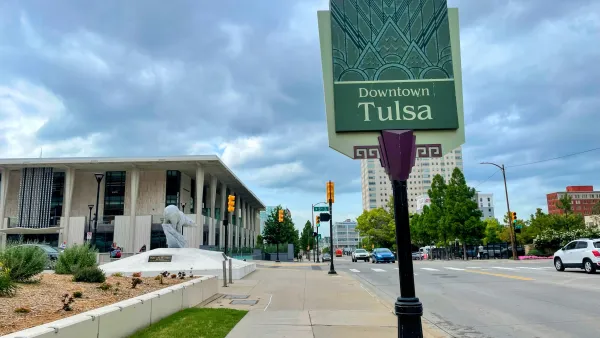
Tulsa dissolves city-county planning commission
The Tulsa Metropolitan Planning Commission, which previously oversaw both city and county planning issues, will split into two separate bodies on Sept. 2.
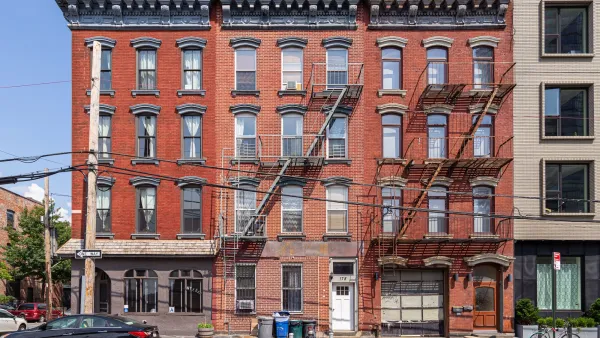
NYC Puts 250 Most Distressed Apartment Buildings on Enhanced Oversight List
The city’s Alternative Enforcement Program prioritizes buildings with the most unaddressed code violations, allowing the city to make repairs where needed.
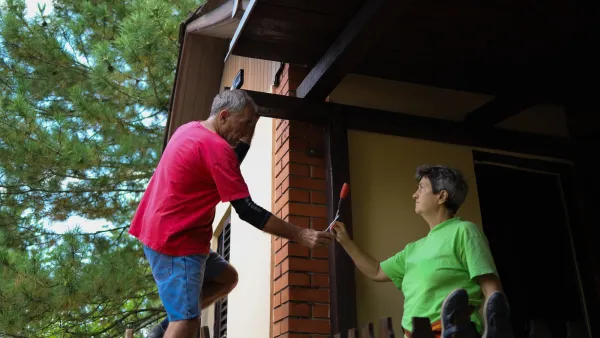
These Cities are Making Code Enforcement Supportive, not Punitive
We can upkeep homes without punishing low-income residents. Here are some lessons for change, and cities already doing that work on the ground.

Planetizen Federal Action Tracker
A weekly monitor of how Trump’s orders and actions are impacting planners and planning in America.

Washington state to charge fee to drivers with fuel-efficient cars
Revenue from the fee will go towards supporting the state’s highways.

Illinois considers spending $1 billion in taxpayer money on data center
A quantum computing campus and data center are currently under construction in Chicago.

‘Demolition of our heritage:’ Some US tribes speak out against BAAJA
A coalition of indigenous groups in the United States are concerned about provisions in the bill that may weaken their ability to halt large energy projects.

How LA’s new mayor plans to tackle affordable housing crisis
Mayor-elect Nithya Raman has proposed overhauling the city’s permitting process.

Interactive map reveals Pennsylvania's abandoned oil, gas wells — many on residential property
It is difficult for residents to know if a well is near their home, or if it poses a threat to them.

FREE Course: Walkable City 1: Why Walkability?
After describing his path towards focusing on walkability as the essence of good planning, Jeff Speck marches through his five principal reasons for making more walkable places.
Reinventing Malls: Planning Alchemy—Turning Gray Fields Into Gold
The course focuses on the opportunities and imperatives that shape reinvention of mall sites.

City of Charlotte
City of Rosemead
Rutgers University, Edward J. Bloustein School of Planning and Public Policy
University of Michigan School for Environment and Sustainability (SEAS)
Hunter College, City University of New York (CUNY)
The Architects Foundation
University District Partnership