Land Use
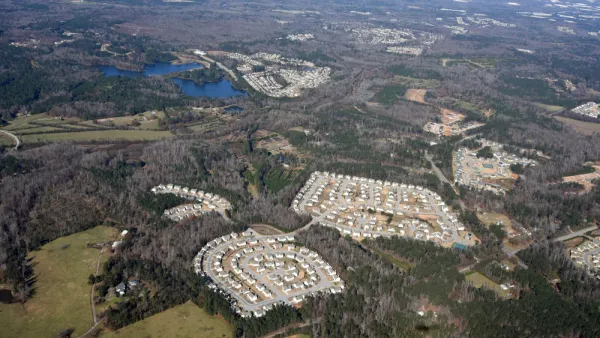
A Message to Suburban Counties: Invest in Transit or Get Left Behind
An op-ed directs a pointed pro-transit message to Gwinnett County near Atlanta.
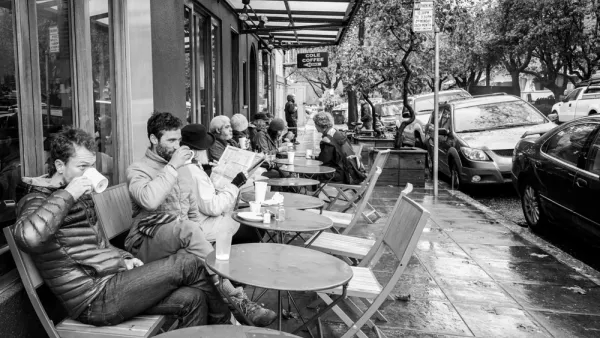
Sweeping Parking Reform Approved in Oakland
The City Council of Oakland, California has approved a far-reaching reduction of parking requirements.

Lack of Zoning Leaves Houston Neighborhoods Vulnerable to Pollution
Houston doesn't compare well with other cities when it comes to locating polluting industrial uses near residential neighborhoods. Blame the city's lack of zoning, according to new research.
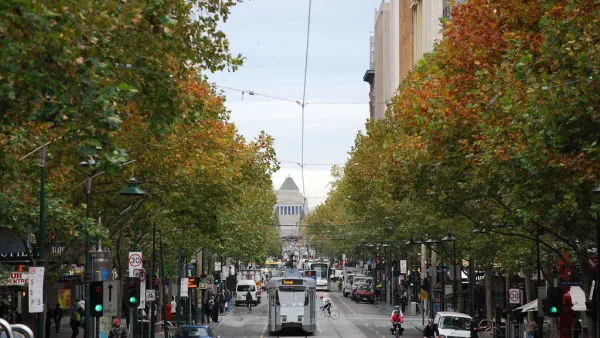
Pedestrianizing Melbourne's Swanston Street: A Weekend to Remember
In the mid-1980s, a tug-of-war over the future of one of Melbourne, Australia's most important streets took place with those wanting full pedestrianization realizing their vision for one brief, shining moment.
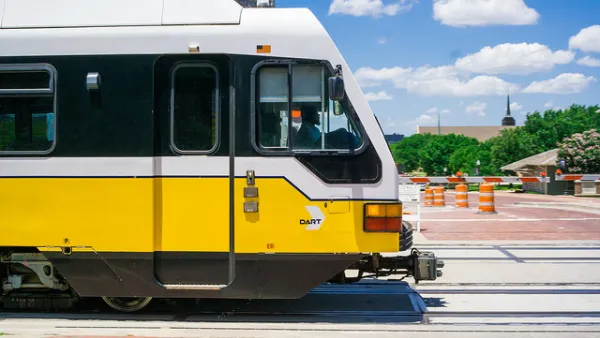
The Secrets of Plano's Success
With a string of successes in downtown revitalization under its built, Plano, Texas is looking to duplicate that model elsewhere around the city.
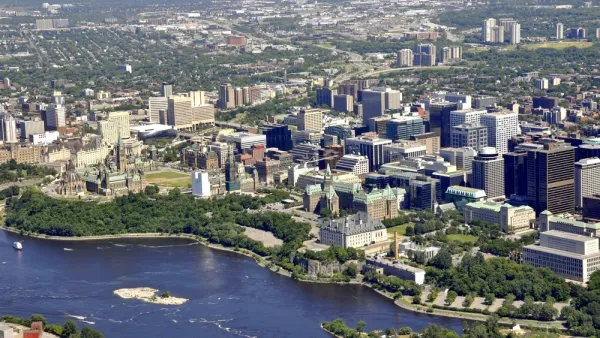
How a Cartoon Enabled Meaningful Parking Reform in Ottawa
Want parking reform without tears?
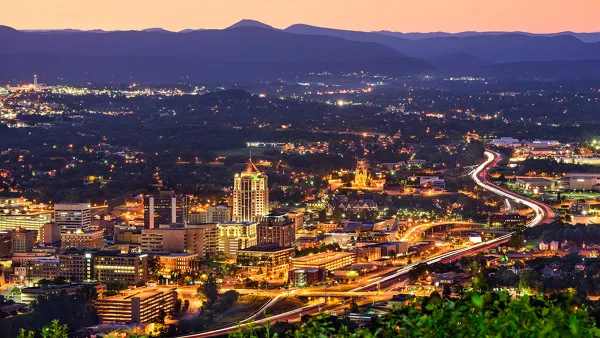
The Bootstrapping Success of Roanoke, Virginia
Roanoke, Virginia offers a lesson in grassroots economic development for "small, out-of-the-way cities everywhere."
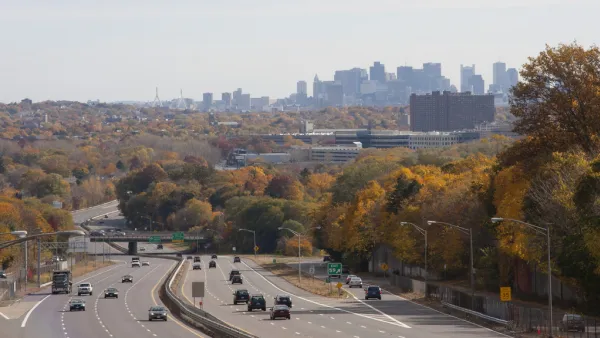
If Housing Affordability Is Top Concern, Let Metro Regions Sprawl
Research from BuildZoom, a San Francisco-based contractors' website, shows that housing affordability increases with a region's ability to build outwards, as opposed to upwards. Densification largely has not accompanied efforts to curb sprawl.

Denver Will Ban Suspected Drug Users From City Parks
The American Civil Liberties Union is not pleased with the potential civil rights infringement enacted by a new directive by Denver Parks and Recreation.

'Growing for Chicago' Wins Federal Grant to Explore Urban Agriculture Innovations
Growing for Chicago will use the $1 million Conservation Innovation Grant from the U.S. Department of Agriculture to examine a "cohort-based" model for urban agriculture.
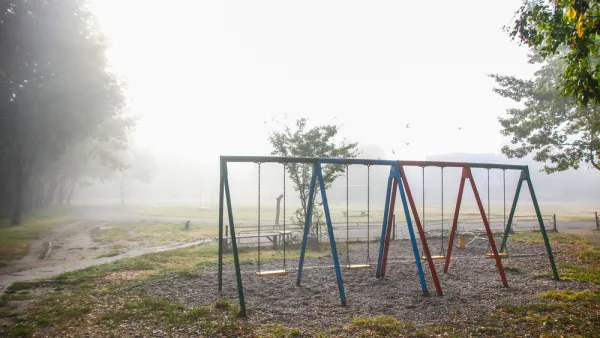
Rebuilding Civic Spaces: Going Small To Get Big Results
A $40 million investment is being split between four cities—Memphis, Chicago, Akron, and Detroit—with the hopes of making big impacts for the community by revitalizing and/or repurposing exiting civic spaces.

Roads Not Taken: Reimagining a Different Seattle
In 1851 the City of Seattle could have been a vastly different place if alternative development decisions had been made that took the original inhabitants, nature, and topography into consideration.
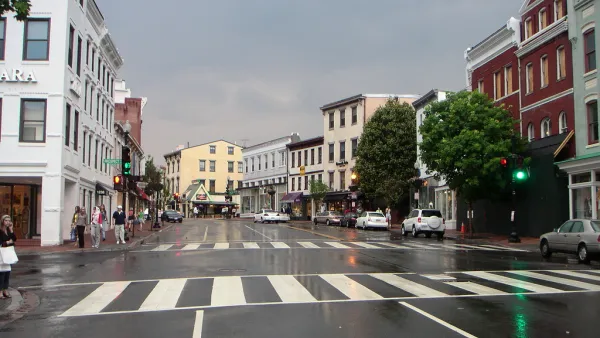
D.C.'s Comprehensive Zoning Update Takes Effect
After nine years of controversy, the District's first zoning revamp since 1958 is officially on the books.
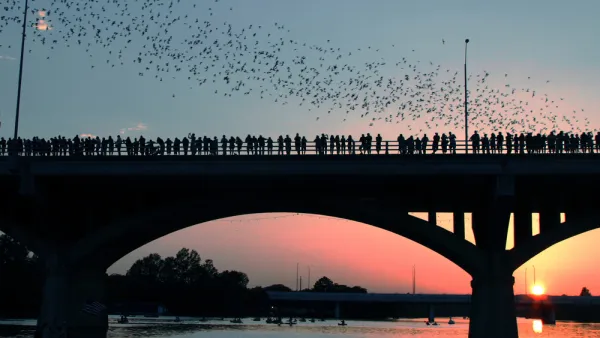
The Big Representation Gap in Austin's Regional Planning
The names and faces occupying decision-making positions in the Capital Area Metropolitan Planning Organization do not reflect the names and faces of the people they are meant to represent.
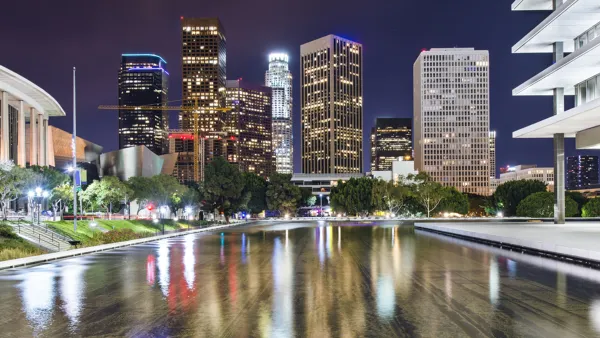
A Proposed List of the 'First Principles of Urbanism'
The chief policy officer of Google's Sidewalk Labs proposes six first principles of urbanism to frame the potential impact of technology on urban environments.
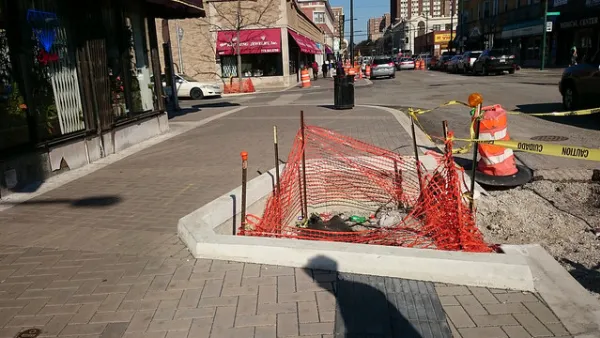
Chicago's Shared Street Off to a Bumpy Start
The shared street concept is being tested in Chicago, with goals of spurring economic development, allowing new and flexible use of public spaces, and increasing pedestrian safety.
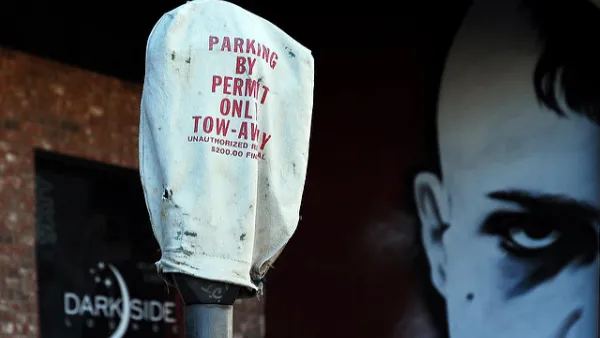
A Changing of the Parking Guard in Dallas
The city of Dallas is rolling out a new "parking-meter app" this week, but larger changes could be looming in the future.
The Mega-Project Game Has a New Player in Brooklyn
A proposal by AECOM would transform the Red Hook waterfront with 25-45 million square feet of residential.
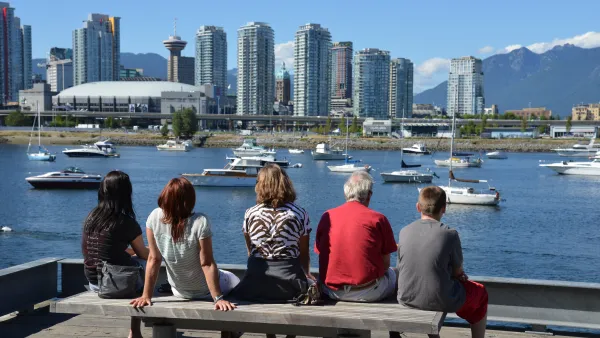
A Twitter Feed that Sings About Placemaking
"My twitter stream is alive with the sound of placemaking," writes Chuck Wolfe. While preparing for this week's Placemaking Week in Vancouver, he explains the importance of PPS-led programming and hopes for various panels, proceedings and events.
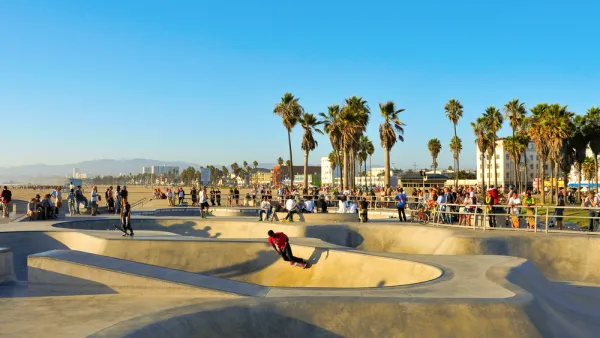
Los Angeles Adds New Developer Fee to Pay for Parks
The city of Los Angeles has been improving its parks resources for several years, and a new funding mechanism should help continue that trend.

FREE Course: Walkable City 1: Why Walkability?
After describing his path towards focusing on walkability as the essence of good planning, Jeff Speck marches through his five principal reasons for making more walkable places.
Reinventing Malls: Planning Alchemy—Turning Gray Fields Into Gold
The course focuses on the opportunities and imperatives that shape reinvention of mall sites.

One Hundred Miles
County of Mendocino
planning NEXT
The Architects Foundation
University of Cincinnati Online
Montrose County
Northern Illinois Transit Authority (NITA)
The Pocatello Development Authority









