Land Use
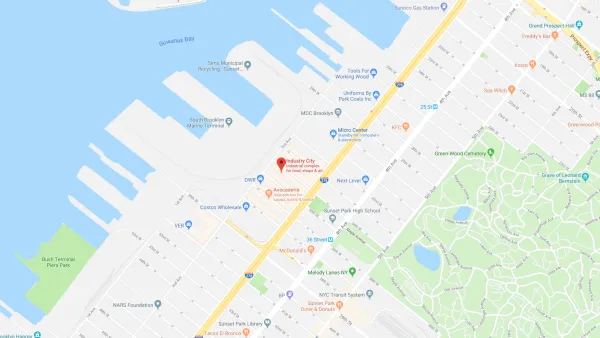
1.5 Million SF of Development Proposed for Brooklyn Waterfront
Current zoning doesn't support the range of uses proposed for a new "Innovation Economy District" at the Industry City location on the Brooklyn Waterfront.
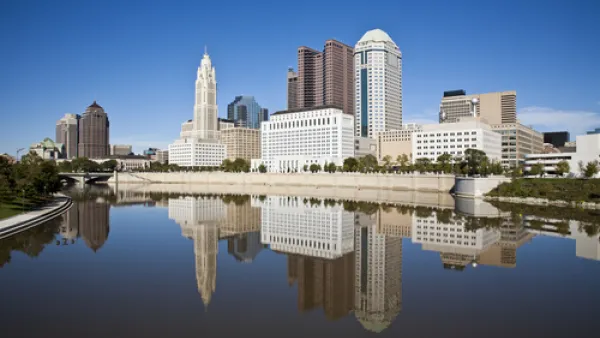
Columbus Considers Its First Community Land Trust
Citing a dire housing situation for low-income renters, Columbus, Ohio is considering its first community land trust. The aim is to create housing alternatives for low-income residents of revitalizing neighborhoods.

Op-Ed: Congress Passes Public Lands Bill, Ducks Harder Questions
The Natural Resources Management Act enjoyed bipartisan support in both houses of Congress. But it left out contentious issues like wildfires, greenhouse gas emissions, and protecting wildlife corridors.
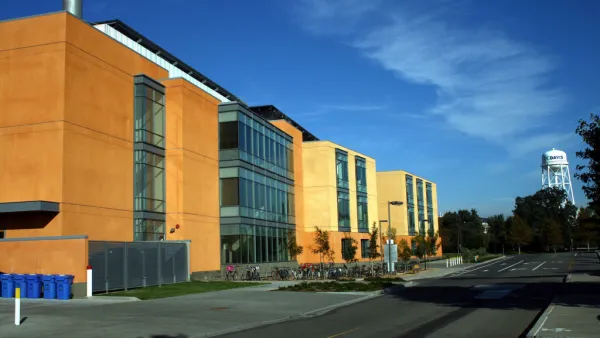
Nation's Largest Student Housing Project Breaks Ground
Located at the University of California, Davis, The Green at West Village is set to house nearly 3,300 students. The development includes nine four-story buildings, community space, and recreational fields.

Four Parking Spots for Every Car in Phoenix
A new study quantifies just how much of the city of Phoenix is parking.
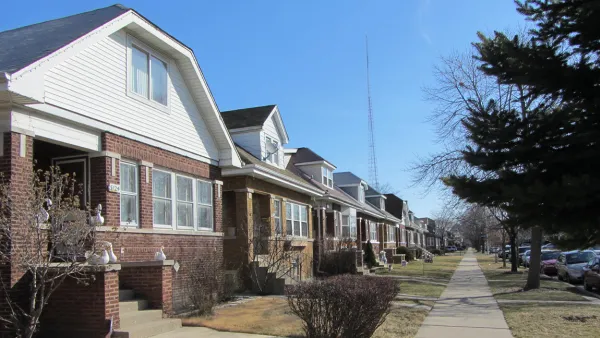
Mapped: Chicago's Shrinking Middle Class
In 1970, half of the city's census tracts were middle-income. Now, only 16 percent of them remain so. Polarization between the well-off and the poor essentially splits the city in two.
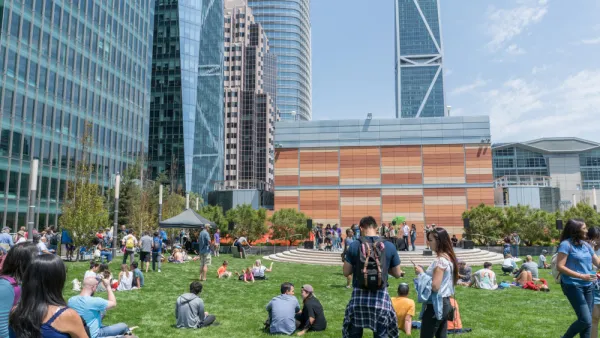
High-Speed Rail Galvanized Development in San Francisco's Transbay District
Even as prospects for high-speed trains dim in California, San Francisco's Transbay Transit Center has already spurred a development spree in the surrounding area.

Dog Parks and Gentrification
When is a dog park more than just a park for dogs?

Parking Tax Considered to Fund Pedestrian Improvements Around Transit Stations
New Jersey is considering a law that would give cities the option of implementing a new 3.5% parking tax on public and private parking facilities.
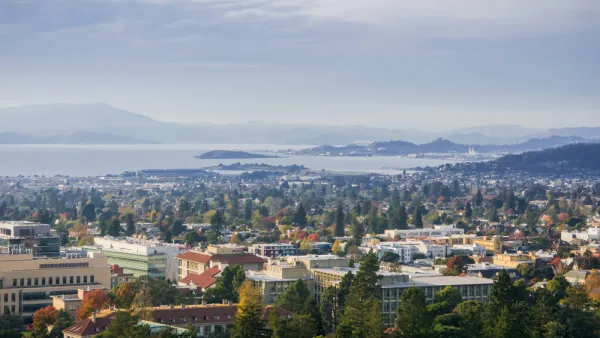
Berkeley to Study Missing Middle Housing Options for Single-Family Residential Neighborhoods
The city of Berkeley, famed for its radical left politics in the 1960s, is now considered a bastion of anti-development obstructionism. Those politics could be changing, however.

48-Acre Mega-Development Taking Shape on Minneapolis Waterfront
The Minneapolis City Council will consider initial mixed-use development plans for critical riverfront industrial site surrounded by a struggling residential neighborhood.
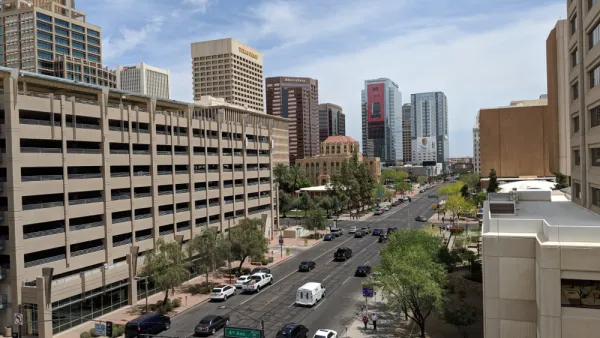
Tax Breaks Offered in Exchange for Affordable Housing in Downtown Phoenix
The state of Arizona doesn't allow local jurisdictions to charge affordable housing fees for new developments, so the city of Phoenix is offering tax breaks as an incentive instead.
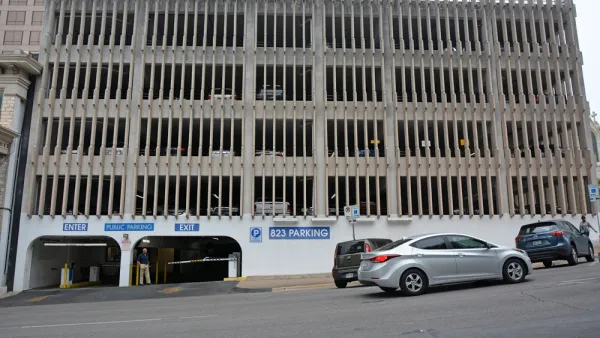
Pushing the Austin City Council to Ditch Parking Minimums
Austin seems like a safe bet to be one fo the next cities to end parking minimums citywide, and advocates are already pressing for the change.
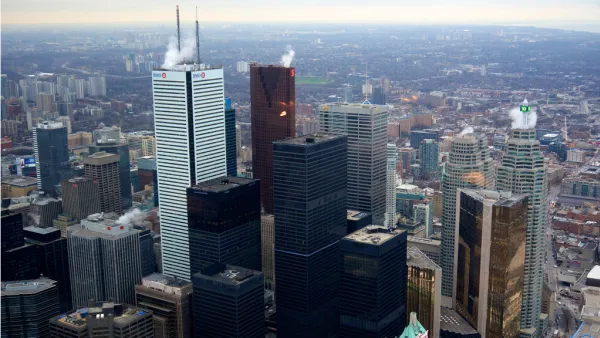
Growth Plan Debate Heats Up in Toronto
The question of how and where to grow is causing controversy in Toronto. A recent op-ed picks a side.

ADU Results Fall Short of Intentions in D.C. Region
Accessory dwelling unit regulations vary but results are consistently underwhelming in the D.C. region.

Pittsburgh's Big Development Plans Ready to Switch Gears
There are plenty of big, splashy projects to track in Pittsburgh's development pipeline.
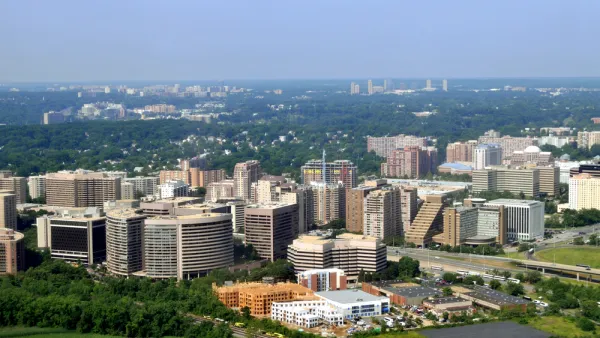
More Planning Staff Needed to Keep Up With the Amazon Boom in Northern Virginia
The arrival of Amazon's HQ2 facility in Northern Virginia is expected to multiply development investment in the area, requiring more planners to review project proposals.
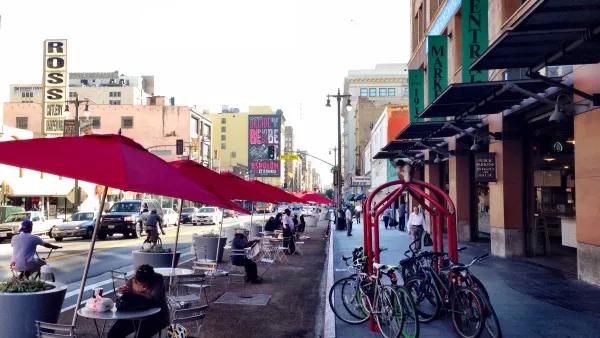
Auto-Centric City Dichotomy: More Mobility Options and More Risk
As cities strive to improve mobility for all users, the existing auto paradigm is slow to change

$738 Million Parks Levy on the Ballot for Seattle Area Voters
King County, Washington voters will vote on a parks levy reauthorization in August—at stake is $738 million over the six years to fund improvements to the Seattle area's parks, trails, and open space.
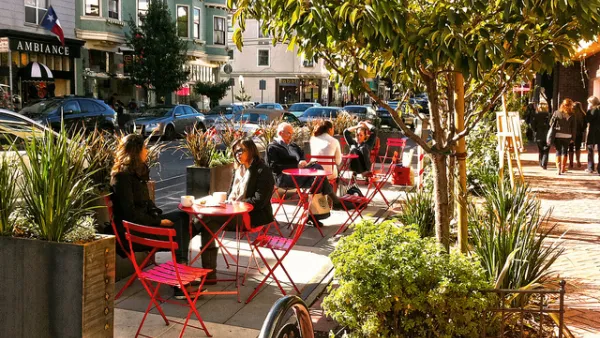
Role of S.F. Parklets as Public Space Not Always Clear
Parklets in San Francisco are available for public use, but often they serve as extensions of the dining rooms of eateries.

FREE Course: Walkable City 1: Why Walkability?
After describing his path towards focusing on walkability as the essence of good planning, Jeff Speck marches through his five principal reasons for making more walkable places.
Reinventing Malls: Planning Alchemy—Turning Gray Fields Into Gold
The course focuses on the opportunities and imperatives that shape reinvention of mall sites.

One Hundred Miles
County of Mendocino
planning NEXT
The Architects Foundation
University of Cincinnati Online
Montrose County
Northern Illinois Transit Authority (NITA)
The Pocatello Development Authority









