Infrastructure

'Lean Urbanism' Explained
“Lean urbanism” is the latest buzz-worthy term to enter the discussion on planning and urbanism. A recent article in Atlantic Cities explains the concept—which appeals to the younger generation as well as those with libertarian leanings.
A Call to Regulators: Do More to Protect Electricity Infrastructure
America’s electricity infrastructure is vulnerable to physical attack. And while federal regulators have known this for years, they’ve been slow to compel security upgrades.
Albany Not so Warm to Crude-By-Rail After All
The Port of Albany is thriving as a major hub for CBR shipments from the Bakken field in North Dakota and Saskatchewan province. But we learn there are limits to further growth after the city slapped a moratorium on expansion to oil sands from Canada
Oil Trains from North Dakota to the Rescue in Philadelphia
The hazards of shipping North Dakotan crude-by-rail have been well documented and are the focus of new DOT regulations due to its volatility, but there's a more positive side to this oil and the trains that deliver it, illustrated in Philadelphia.

This is Awkward—Highway Widening Projects Based on Obsolete Projections
Several highway-widening projects on the East Coast were approved under the pretense of expected growth in traffic totals. Now planners are scrambling to figure out the new normal.

Silicon Valley Cities Drought-Proofing Water Supply with 'Direct Potable Reuse'
Recycled wastewater, or "direct potable reuse," proved successful in Orange County, and following the driest year on record in California, more cities are looking to implement water purification facilities.
Why Does Infrastructure Cost So Dang Much?
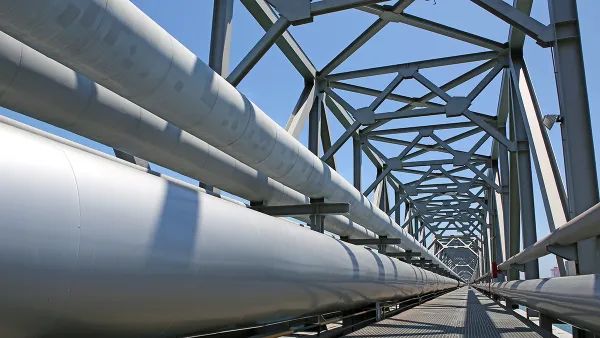
When it comes to infrastructure projects, “we're not just a bit behind the curve — we're ridiculously, embarrassingly behind the curve,” according to a recent article by Ryan Cooper.
Southern Fried Urbanism
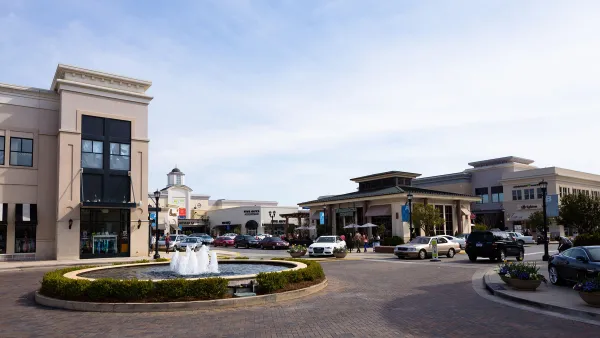
You do not hear much talk about meaningful urbanism in the Southeast U.S. Until political winds shift, don't expect that to change.
Aging Natural Gas Infrastructure Suspected in Deadly NYC Explosion
A repair crew was en route to investigate a complaint of gas odor when the two five-story, one-hundred-year-old buildings in East Harlem exploded, killing seven with eight still missing as of press time. Leaking cast iron pipelines may be to blame.
Bikeable Cities: Lessons from Pittsburgh
While many of the cities leading the resurgence in the popularity of biking are growing, Pittsburgh has found its own reasons for making the city a better place to bike.
The End of the $2.8 Billion Columbia River Crossing Project
The Oregon Legislature adjourned this week with no actions regarding the Columbia River Crossing—a controversial project with opponents on either side of the aisle.
A Call for Urban Infrastructure Investments
A recent article laments the missed opportunity of President Obama’s recent calls for increased spending on infrastructure: a lack of acknowledgement that cities are the best places to spend those dollars.
Public Toilets Continue to Foil New York City’s Bureaucracy
In 2006, New York City signed contracts for private-public partnerships that would deliver a variety of street furniture throughout the city. To date, 3,355 bus shelters, 304 newsstands, and three (3) public toilets have been built.
St. Louis at a Transit Crossroads
A recent article tackles the counter-intuitive state of transit investment in the St. Louis region: “While the abundance of transit possibilities create a veneer of progress, the region is quietly in a public transit state of crisis.”
What Cars Took: Lives
“There’s an open secret in America: If you want to kill someone, do it with a car,” says a recent article titled “Murder Machines.”
What Cars Took: the Middle Class
Following on the recent, promising news of increased transit ridership around the country, one writer calls for an end to the institutional bias toward cars. The key point of the appeal: public transit infrastructure benefits the middle class.
Can New Financing Mechanism Deliver Multi-Modal Safety in Low-Income Areas?
A new bill in Congress would create a new $11 million program amidst the $1 billion Transportation Infrastructure Finance and Innovation Act (TIFIA) loan program. But can it deliver more safety improvements to under-served populations?
Supreme Court Delivers Blow to Rails-to-Trails
The Supreme Court ruled in favor of a private land owner in Wyoming, who sued to reclaim land once granted to a railroad under an 1875 law. The ruling undermines the legality of the nation’s network of public trails built on former rail right-of-way.
The 'Quietways' Bike Network Revolution
London has been preparing for years for a “quiet revolution” for its bike network: the "Quietways" of side streets and back roads. London is already building Quietways in anticipation of a September launch.
Dallas Warming Up to Complete Streets
A new Complete Streets Design Manual is under consideration in Dallas City Hall, but according to a recent article explaining Dallas' move toward walkable neighborhoods, the city has some work to do before the idea fully takes hold.

FREE Course: Walkable City 1: Why Walkability?
After describing his path towards focusing on walkability as the essence of good planning, Jeff Speck marches through his five principal reasons for making more walkable places.
Reinventing Malls: Planning Alchemy—Turning Gray Fields Into Gold
The course focuses on the opportunities and imperatives that shape reinvention of mall sites.

City of Thousand Oaks
City of Wisconsin Rapids
Harvard University Graduate School of Design
The Architects Foundation
University of Cincinnati Online
Northern Illinois Transit Authority (NITA)
The Pocatello Development Authority
The Urban Renewal Agency of the City of Pocatello