Infrastructure
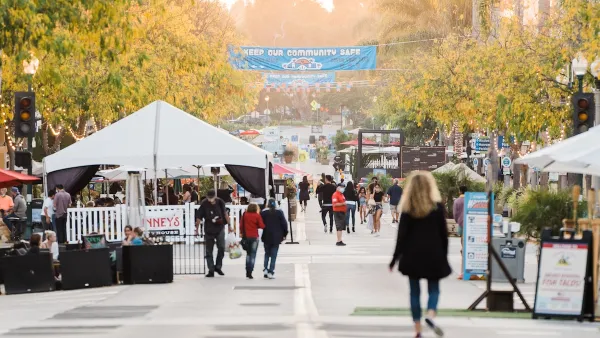
Ventura, CA Makes Car-Free Main Street Permanent
Main Street has been closed to cars since 2020, when the Covid-19 pandemic spurred a flurry of open streets projects.
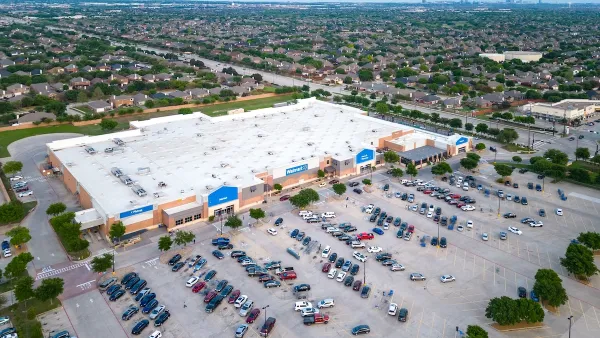
Is Driving Traffic to Big Box Stores True Economic Development?
Strong Towns’ Charles Marohn argues that planning for ‘commerce’ perpetuates an unsustainable, car-centric development model.

Baltimore Zoning Bill Seeks to Improve Unequal Healthcare Access
A zoning reform proposal would update the city’s code to ensure health clinics are more equitably distributed in all neighborhoods.

Video: Jane Jacobs’ ‘Sidewalk Ballet’ is Alive and Well
“Streets Make Cities” takes viewers on a stroll down West 4th Street in Greenwich Village, illustrating the many ways that streets and sidewalks form the lifeblood of a city.
USDOT Pulls Funding from Projects not “Car-Focused” Enough in Connecticut, New Mexico, Illinois
The department is sending letters to local officials rescinding multimodal grants, saying the money will instead be focused on projects that “promote vehicular travel.”
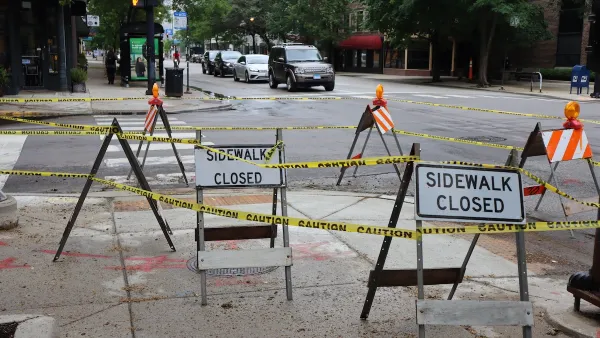
Chicago Residents Sue City Over Inaccessible Sidewalks
The suit alleges the city has failed to create a “coordinated, proactive system” for complying with ADA and ensuring accessibility on the city’s sidewalks and crosswalks.
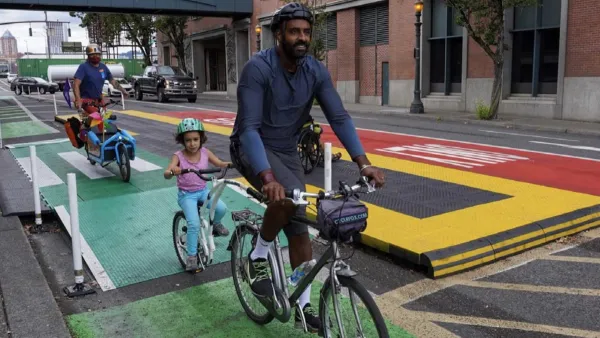
Portland Launches Tool for DIY Community Road Safety Interventions
A set of resources offers safety data and guidance for putting low-cost, quick-build interventions into action.

Corpus Christi Faces Uncertain Water Future as City Cancels Desalination Plan
The Texas refinery town is grappling with an impending water shortage after a seven-year drought, but a dramatic increase in the projected cost of a desalination plant prompted the city to look for other ways to bring in additional water.

Cities Can be a Sensory Nightmare. Minnesota is Trying to Change That.
A state-wide effort to build 10,000 sensory-friendly spaces aims to set a new standard for inclusive design.
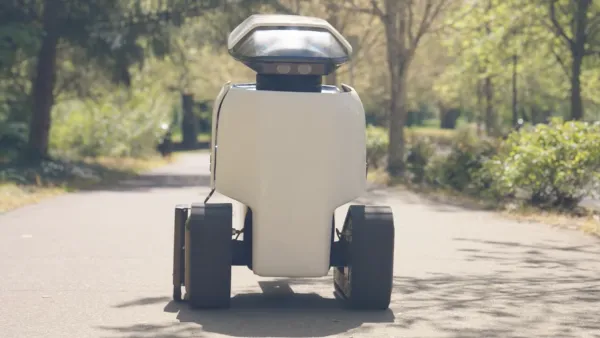
Southern California City Using Robots to Make Sidewalks More Accessible
Irvine is deploying robots to assess accessibility issues on its sidewalks and trails network.
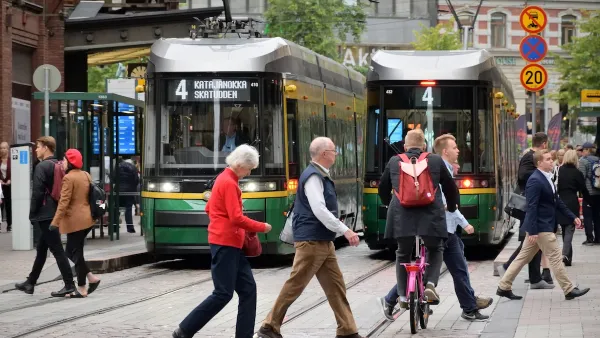
In Defence of Vision Zero — a Traffic Engineer’s Perspective
Traffic engineers have long suffered the reputation that all we care about is moving cars. The reality could not be more different.
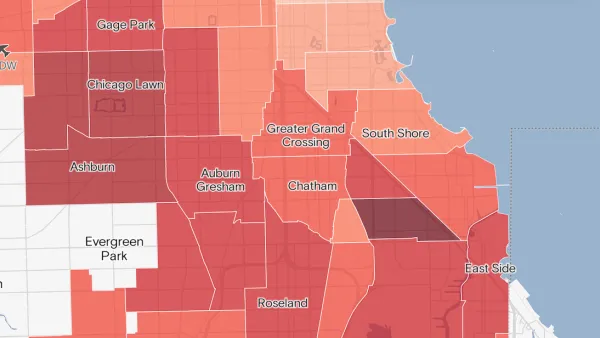
84% of Chicago's Pipes Contain Lead — and They're Not Equally Distributed
The city’s Black and Latino communities are most impacted, but the issue is widespread across the city’s water distribution network.
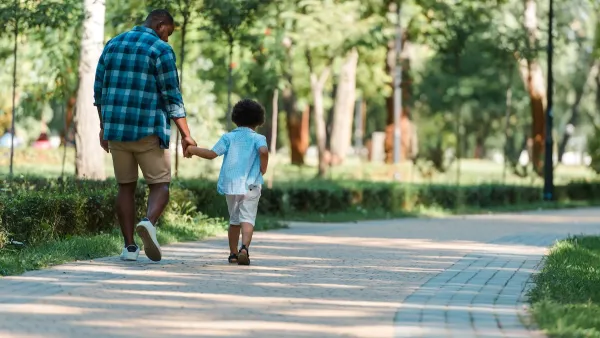
Walking Paths as Everyday Infrastructure
Walking paths are simple yet transformative features in parks that promote health, equity, and community connection, proving that small investments can deliver lasting benefits.
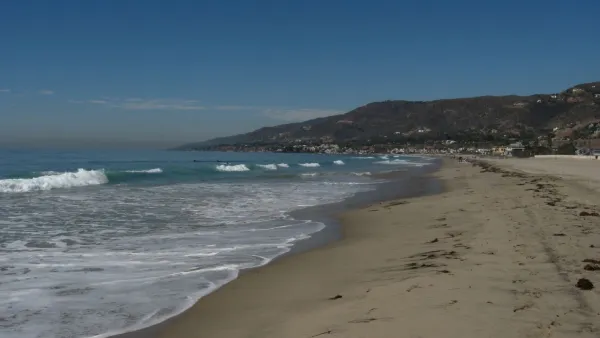
LA’s ‘Living Shorelines’ Get $5.1M Boost
L.A. County is investing in dune restoration and nature-based shoreline projects at Zuma, Redondo, and Dockweiler beaches to protect the coast and keep beaches accessible for communities.
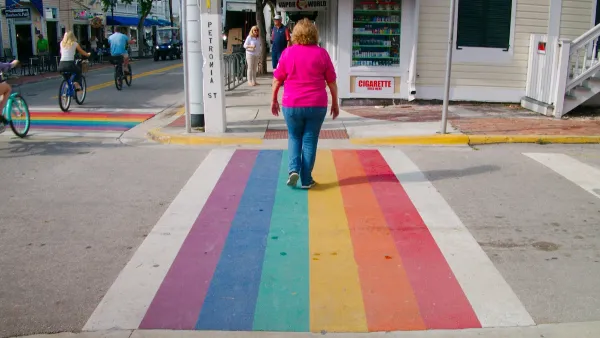
The Florida Cities Risking Everything to Save Rainbow Sidewalks
Gov. DeSantis has threatened to withhold state transportation funding and remove local leaders who don’t comply with an order to remove painted crosswalks.
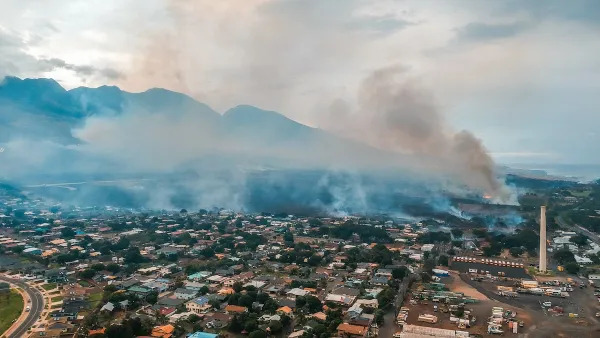
Maui Wildfire Recovery, Two Years On
Two years after the Lahaina and Kula wildfires, hundreds of homes are under construction and community resilience is strong, though many survivors remain displaced and long to return home.

‘Grätzloasen’: The Urban Oases Vienna Pays its Citizens to Build
The Austrian capital offers grants of up to 5,000 Euros to residents who want to build their own parklets in curbside parking spaces.
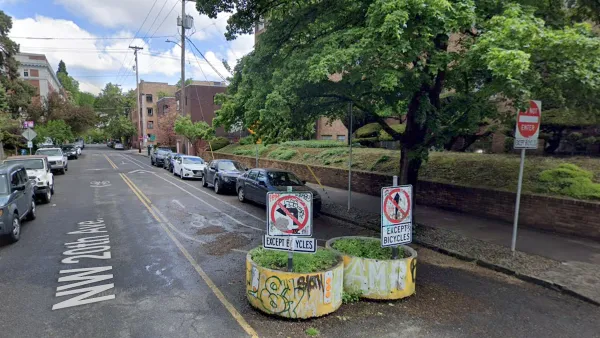
Portland Backs off Plan to Remove Bike Lane Protection After Public Outcry
The city planned to remove a series of concrete planters that prevent cars from entering bike lanes despite their popularity with pedestrians and safety advocates.
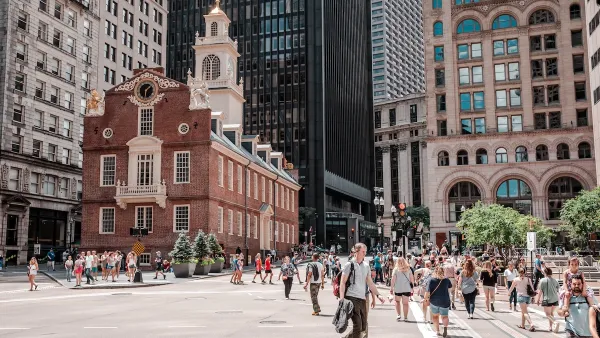
Report: Top US Cities for Pedestrian Safety
The East Coast takes the top three spots, while the South and Southwest dominate the bottom of the list.
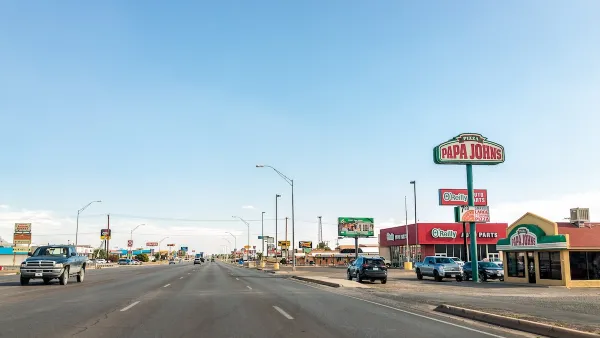
Study: Ugly Roads are Deadlier, too
New research shows that roads that are perceived as boring and ugly are more dangerous to people outside of cars.

FREE Course: Walkable City 1: Why Walkability?
After describing his path towards focusing on walkability as the essence of good planning, Jeff Speck marches through his five principal reasons for making more walkable places.
Reinventing Malls: Planning Alchemy—Turning Gray Fields Into Gold
The course focuses on the opportunities and imperatives that shape reinvention of mall sites.

City of Charlotte
City of Rosemead
Rutgers University, Edward J. Bloustein School of Planning and Public Policy
University of Michigan School for Environment and Sustainability (SEAS)
Hunter College, City University of New York (CUNY)
The Architects Foundation
University District Partnership
City of Cambridge
The Pocatello Development Authority









