Government / Politics
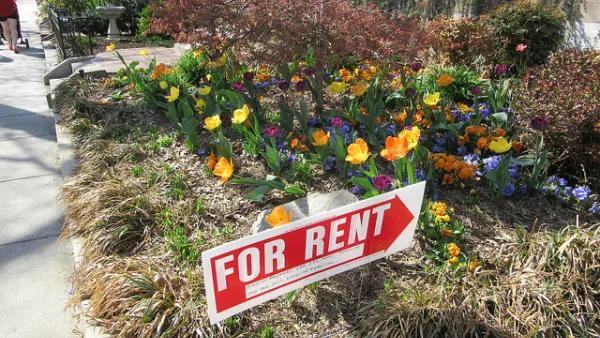
Improving Racial Equity via Emergency Rental Assistance
Five ways to ensure that rental assistance reaches communities of color with high levels of need.
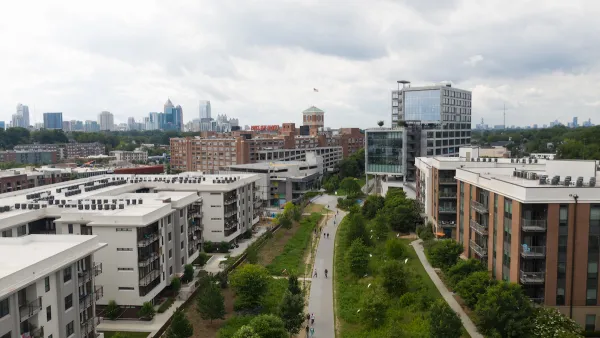
Georgia's Efforts to Reduce Carbon Emissions
The state is diversifying its energy sources to reduce carbon emissions by 50% by 2030, in line with federal climate goals.
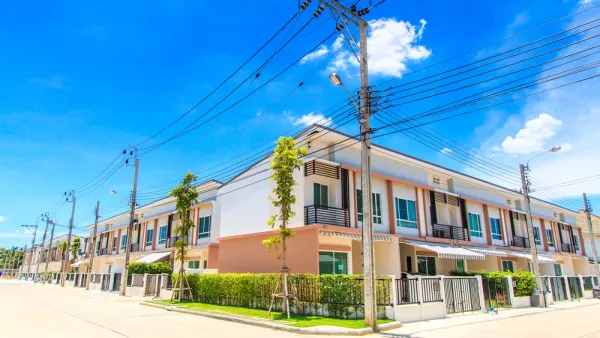
How Federal Incentives Can Increase Access for Section 8 Recipients
Landlords are the focus of a proposed bill that would provide extra perks for accepting Housing Choice vouchers.
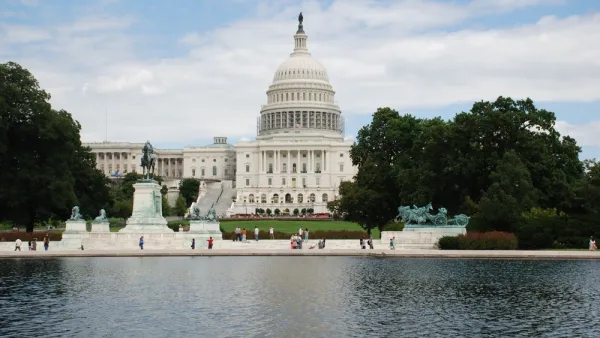
Transportation Reauthorization Advances in Congress—Transit Advocates Aren't Happy
The Senate Environment and Public Works Committee voted this week to advance the Surface Transportation Reauthorization Act of 2021, Congress's five-year reauthorization of the federal surface transportation bill.
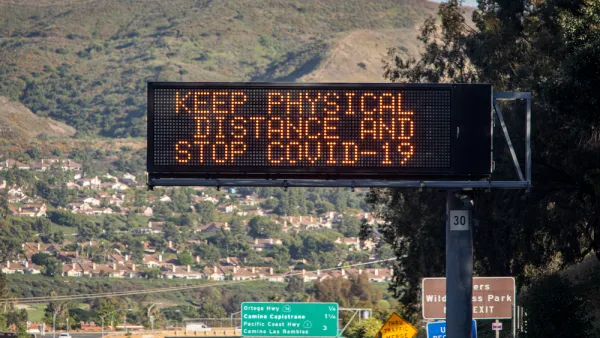
Returning to the Office: Will Vaccinations Be Required?
A survey by Kaiser Health News of 15 of America's largest companies found that none are considering vaccine mandates, but most offer employee incentives. Mandates may be more of consideration after the FDA approves the vaccines.
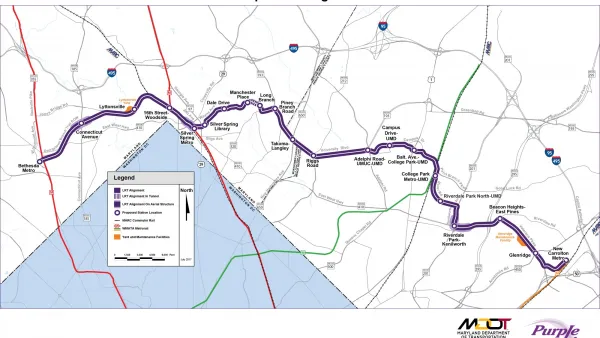
New Tool Demystifies Regulations Around Maryland's Purple Line
The tool aims to help stakeholders "cut through regulatory complexity" and ensure equitable access to the light rail line's economic benefits.

Proposed Bill Could Fund Redevelopment of Baltimore's 'Highway to Nowhere'
The Reconnecting Communities Act would provide funding for retrofitting highway infrastructure and reconnecting neighborhoods cut off by road projects.
Opinion: Transportation Funding Priorities Are Outdated
Investing in technology and promoting innovation in the transportation sector can further the Biden administration's goals of reducing carbon emissions and improving public transit.

Philadelphia Accelerator Fund Will Finance Black and Brown-Led Affordable Housing
The fund seeks to level the playing field by making it easier for Black and brown developers to gain access to capital.

Vaccination Disparities Between Urban and Rural America
The pandemic has largely been measured by case incidence, down significantly in recent weeks in most states. A new metric, the vaccination rate, may determine where the virus strikes next. The urban-rural divide is a major factor, says the CDC.
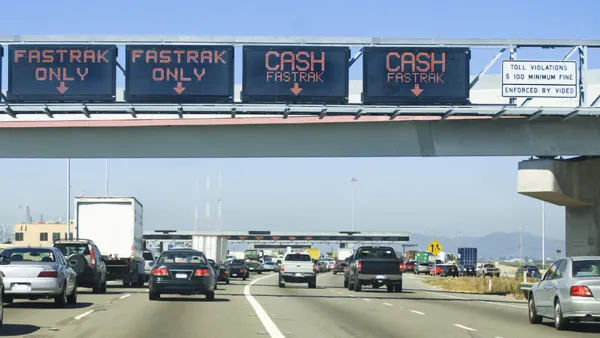
Funding Biden's Infrastructure Plan: Should Users or Corporations Pay?
After determining the size and scope of President Biden's infrastructure package, the next biggest challenge is determining how to pay for it. The partisan divide is steep, but Roll Call exposes division within the Democrats' ranks.
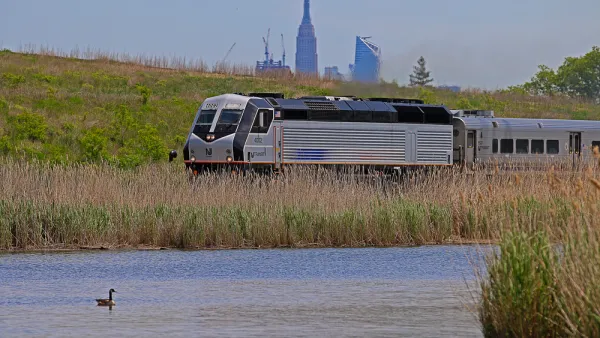
The High Cost of Adapting Commuter Rail for the Post-COVID Future
U.S. commuter rail systems, primarily designed to bring workers to and from central business districts, must adapt to serve a broader population as the traditional workday changes.
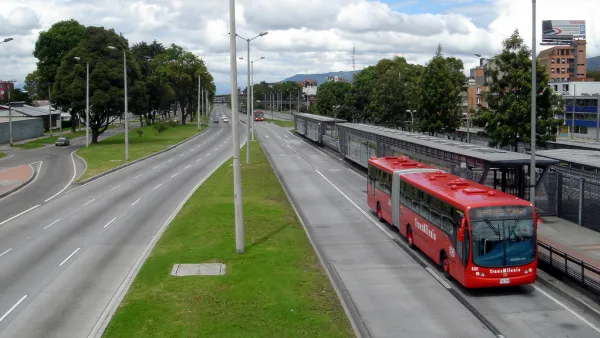
Looking to the Future as TransMilenio Turns 20
The world's most famous, and influential, bus rapid transit system, which served 2.4 million riders a day in Bogotá in the days before the pandemic, offers lessons in transit planning and management as it enters its third decade.
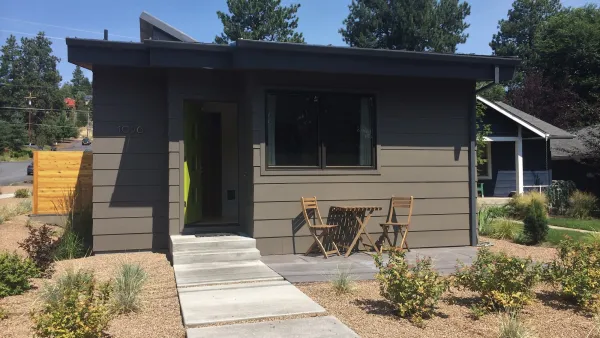
San Diego Residents Challenge the City's ADU Regulations
Residents in some of the city's single-family neighborhoods worry about the potential impacts of ADU construction on local character and parking.
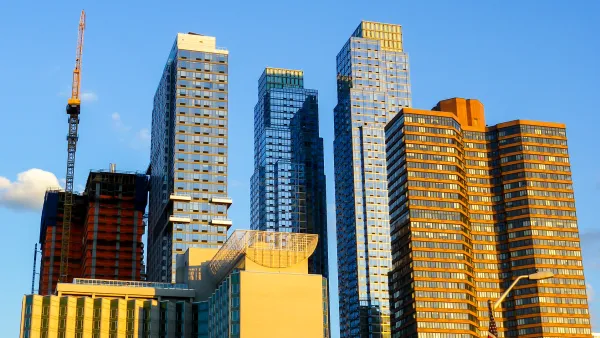
The Future of Central Business Districts
Urbanist Richard Florida assesses post-pandemic possibilities for neighborhoods that once relied on 9-to-5 workers.
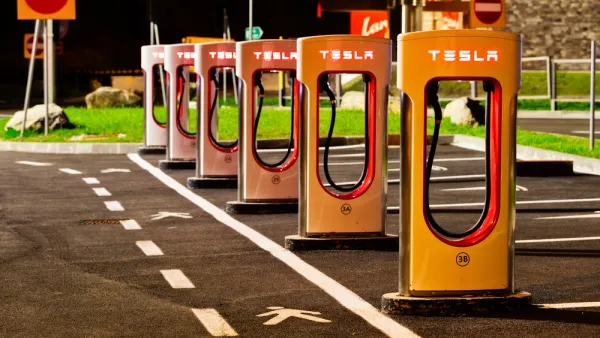
Decarbonizing Transportation at the Federal Level
A new report shows that long-term federal investments in electric vehicles could promote significant growth in the sector as the nation moves toward reducing GHG emissions.
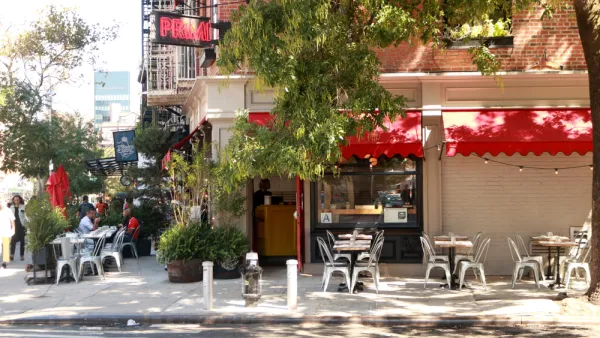
Car-Free Streets Benefit Restaurants, Yelp Survey Shows
Restaurants in areas designated as "slow streets" during the pandemic saw a boost in consumer interest.
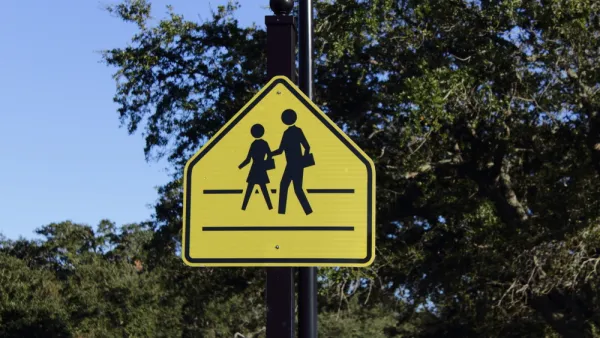
NACTO Suggests Changes to MUTCD
The association's proposed changes to the manual include a focus on eliminating road deaths, improving pedestrian safety, and creating a more inclusive public process.
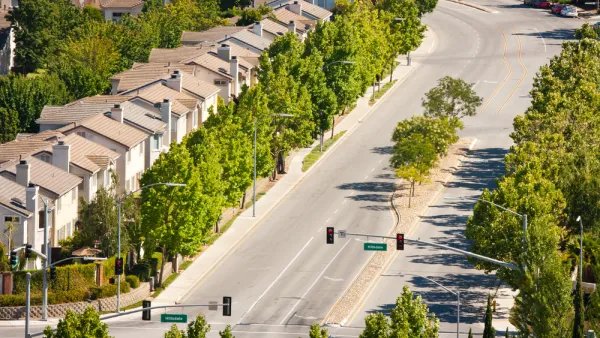
Approaching Land Use and Transportation as Interconnected Issues
One researcher argues that the division between transportation and land use policymaking at the federal level has harmed communities of color and encouraged unchecked sprawl.
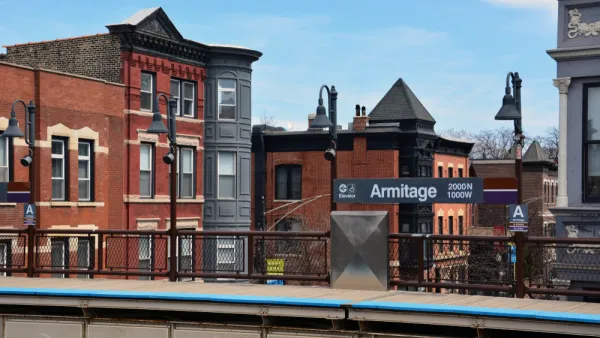
Chicago's Disappearing Multi-Unit Buildings
The city is seeing a rapid loss of its signature two-, three-, and four-flat residential buildings, which historically served as affordable housing for working-class families.

FREE Course: Walkable City 1: Why Walkability?
After describing his path towards focusing on walkability as the essence of good planning, Jeff Speck marches through his five principal reasons for making more walkable places.
Reinventing Malls: Planning Alchemy—Turning Gray Fields Into Gold
The course focuses on the opportunities and imperatives that shape reinvention of mall sites.

City of Wisconsin Rapids
Harvard University Graduate School of Design
KFH Group Inc.
The Architects Foundation
University of Cincinnati Online
The Pocatello Development Authority
The Urban Renewal Agency of the City of Pocatello