Government / Politics

Carbon Taxes and Climate Change Are Focus of Nobel Prize for Economics
The Nobel Prize was issued the same day as a landmark report by the IPCC predicting dire consequences if emissions aren't reduced. That's what William D. Nordhaus of Yale University has devoted his career to addressing.
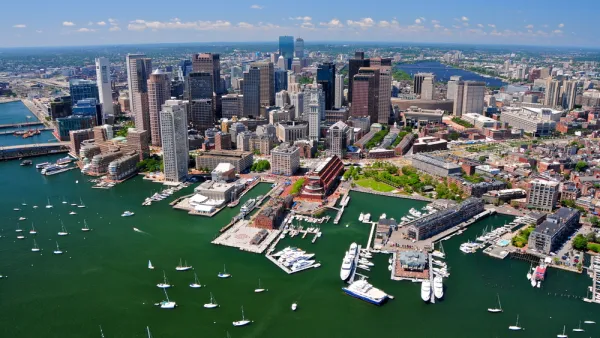
Boston to Consider Workforce and Investor Diversity in Real Estate Decisions
Beginning this week, the city of Boston will ask developers how they plan to include women and minorities as workers and investors when putting city-owned real estate out for bid.

To Incentivize Clean Energy, California Commits $800 Million
Recently signed by Governor Jerry Brown, a new measure has increased the funds California sets aside to incentivize energy storage systems to over $1 billion.
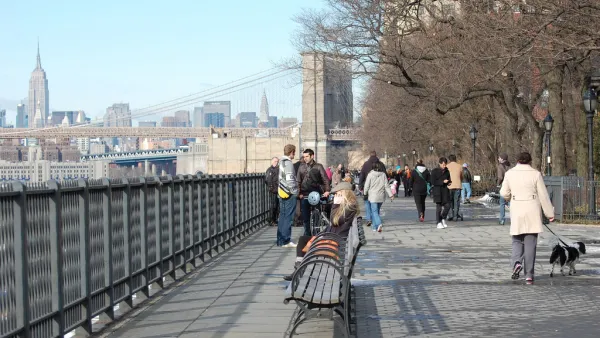
Fate of Brooklyn Heights Promenade Tethered to BQE Repair
The Brooklyn Heights Promenade will be closed as the Brooklyn-Queens Expressway below it is replaced. A Brownstoner column celebrates the esplanade's 68th birthday on Oct. 7, noting its troubled past and connection to Robert Moses.
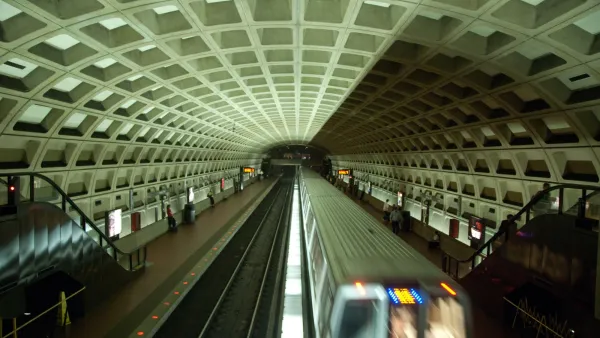
No Consensus on How to Address Declining D.C. Metro Ridership
A decrease in ridership is not disputed. However, ideas about the best solutions for turning things around abound.

California Doubles Carbon Intensity Reduction Requirement for Transportation Fuels
California regulators have found that transportation emissions are the most difficult to reduce, unlike those from electricity generation. The state just took a major step by approving significant changes to its Low Carbon Fuel Standard program.

Proposed California Ballot Measure From Gas Tax Opposition Goes After High-Speed Rail
A follow-up initiative to Proposition 6 would put the brakes on high-speed rail in California and funnel gas tax funds to roads.
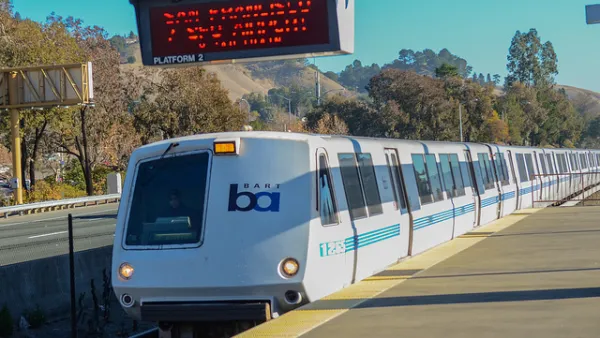
City's Opposition to BART TOD Bill Factors into City Manager's Retirement
Steven Falk, city manager for 22 years of the East Bay enclave of Lafayette, expressed frustration with the city's resistance to infill development, calling it incompatible with addressing "the most significant challenges of our time."
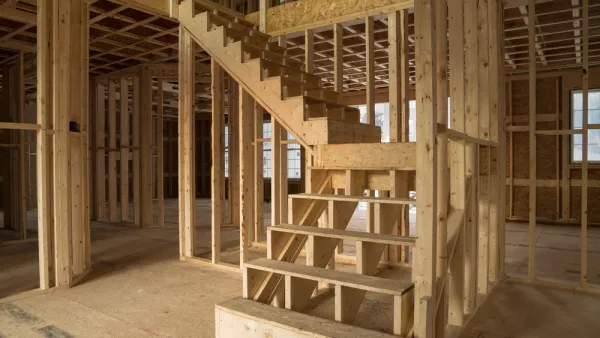
California's Housing Package, One Year Later
It's too early to gauge the long-term effects of California's housing package signed a year ago. But with a $4 billion bond on the ballot this November, some facts (and some dramas) have already made themselves known.
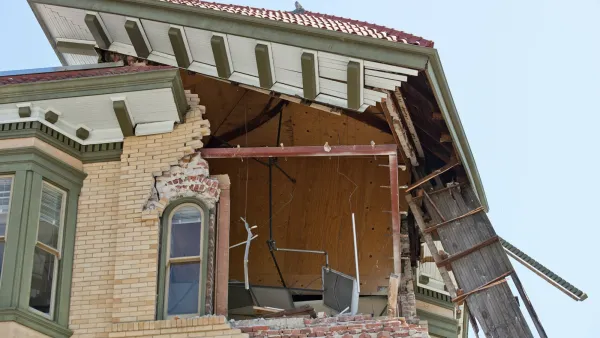
Op-Ed: Portland Should Fully Commit to Earthquake Preparedness
An editorial calls for Portland, Oregon to approve a requirement that warning signs be placed on unreinforced historic buildings. An argument is made for further measures, and a greater sense of urgency.

Seattle to Use Surplus Public Land for Affordable Housing
New municipal and state laws have made it possible for Seattle to sell excess land to affordable housing developers at below-market rates, or even to give it away.

Washington Says Seven-Degree Increase Is Coming, Doesn’t Outline Solutions
A federal evaluation of fuel-efficiency standards says that while drastic climate change is imminent, there is little reason to do anything about it.

Community-Based Planning: A Case Study
When neighborhoods are allowed to plan and zone without considering the regionwide interest in increasing housing stock, scarcity results.

More Diesel Driving Bans Coming to German Cities
Germany's automotive industry and Chancellor Angela Merkel are increasingly worried about the economic effects of court-sanctioned diesel driving bans to improve air quality, as enacted in Hamburg last May. Four more cities are likely to enact bans.

Two Sides of the California Rent Control Debate, in Silicon Valley and Beyond
In California, rent control continues to be a hotly contested issue at both the local and state levels.

A New, Renter-Friendly Politics Emerges
There are signs that politicians at every level are responding to the concerns of renters like never before. If only renter-friendly housing policies were matters of simple consensus.

San Francisco’s Housing Woes: How the Past Informs the Present
A zoning history dating back to the 19th century still has significant impacts on the city’s housing in the present day.
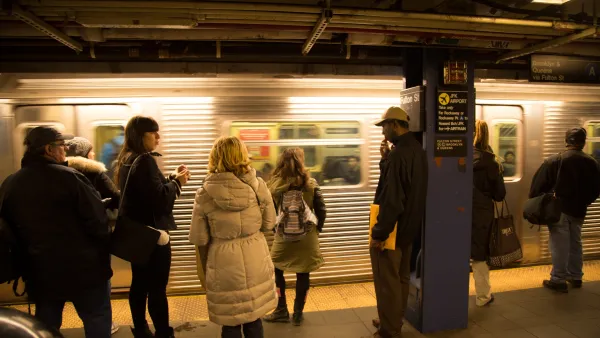
Public Transit in the U.S. Could Be Better. So Why Isn’t It?
Transit ridership has surged in other countries but lags here in the United States. The possible reasons for this are varied as are proposed solutions for improving American transit systems.

Bike Infrastructure Enshrined in Swiss Constitution
Nearly three-quarters of the population agreed that the federal government should promote cycling.
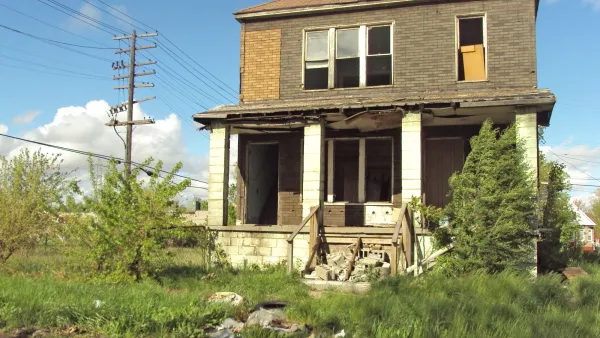
In Detroit, Continuing the Legacy of Land Banks
While the Detroit Land Bank has had its ups and downs, it has made significant progress in a city with no shortage of vacant and delinquent properties.

FREE Course: Walkable City 1: Why Walkability?
After describing his path towards focusing on walkability as the essence of good planning, Jeff Speck marches through his five principal reasons for making more walkable places.
Reinventing Malls: Planning Alchemy—Turning Gray Fields Into Gold
The course focuses on the opportunities and imperatives that shape reinvention of mall sites.

City of Rosemead
Rutgers University, Edward J. Bloustein School of Planning and Public Policy
One Hundred Miles
University of Michigan School for Environment and Sustainability (SEAS)
Hunter College, City University of New York (CUNY)
The Architects Foundation
City of Cambridge
The Pocatello Development Authority
The Urban Renewal Agency of the City of Pocatello









