How accessory dwelling units can benefit homeowners and renters alike.


The U.S. housing market is short by at least 6.5 million homes. After more than a decade of under-building relative to population growth, there are simply not enough affordable entry-level and first-time move-up options available to prospective buyers. Meanwhile, renters find themselves priced out of areas within a reasonable commuting distance to jobs and good schools. The scarcity of housing has driven home prices and rent prices to an all-time high and pushed affordability to a multi-decade low.
Over the next decade, the U.S. population will grow by more than 2 million adults each year due to a combination of aging and immigration. This shift will drive a voracious need for more housing, especially among entry-level and first-time homebuyers seeking lower price points given structural affordability challenges.
The significance of addressing the housing shortage in the United States cannot be overstated. The shortage of 6.5 million homes is not just a matter of numbers; it's a crisis that affects the lives and aspirations of countless individuals and families. The dream of owning a home, with the stability and security it offers, should be attainable for everyone. Unfortunately, the current state of the housing market has made this dream elusive for many.
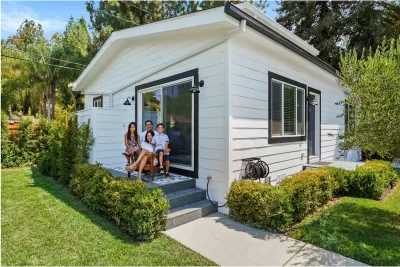
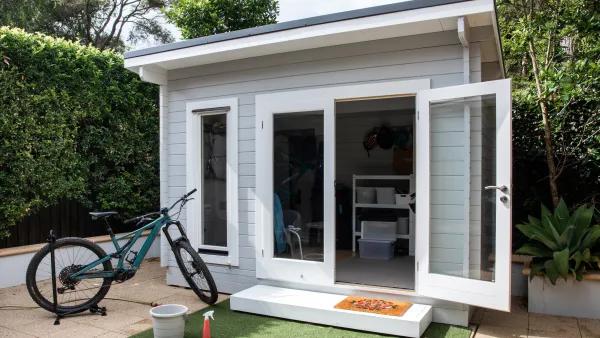
One promising solution to this housing challenge is the utilization of Accessory Dwelling Units (ADUs). ADUs represent a relatively new housing option that provides families and individuals with an opportunity to reside in desirable neighborhoods without incurring the high costs associated with traditional housing. ADUs typically consist of detached structures, ranging in size from 400 to 1,200 square feet, commonly situated in the backyards of existing single-family homes, serving as a practical means to increase housing density in areas where available land for development is limited.
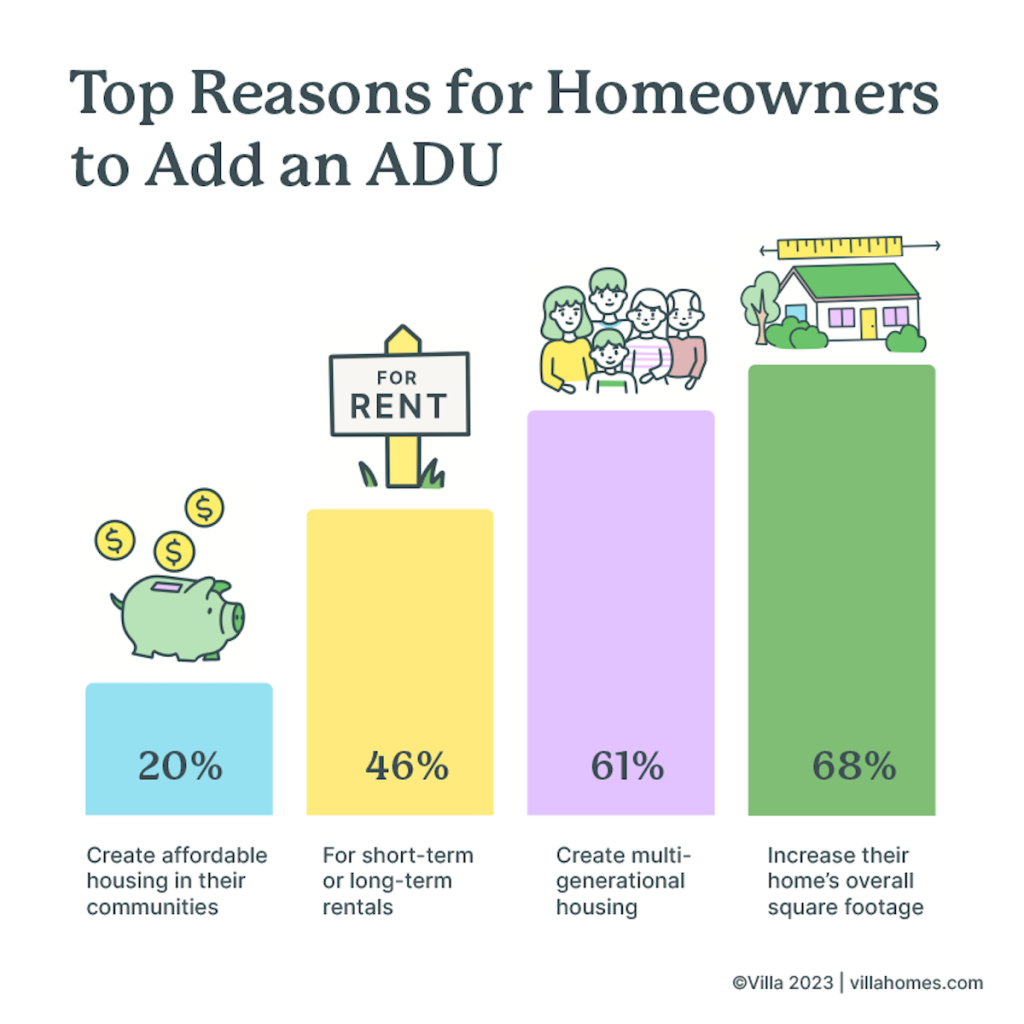
Villa's “Much ADU About Housing” Report, based on insights gathered from numerous ADU owners in California, reveals that a significant number of homeowners are motivated by the prospect of creating affordable housing options within their communities. Notably, 20 percent of homeowners surveyed constructed ADUs with the explicit intention of contributing to the availability of affordable housing in their neighborhoods. Additionally, over 60 percent of these homeowners indicated that their ADUs were designed to facilitate multigenerational housing arrangements, allowing family members such as adult children or retired parents to reside closer to relatives.
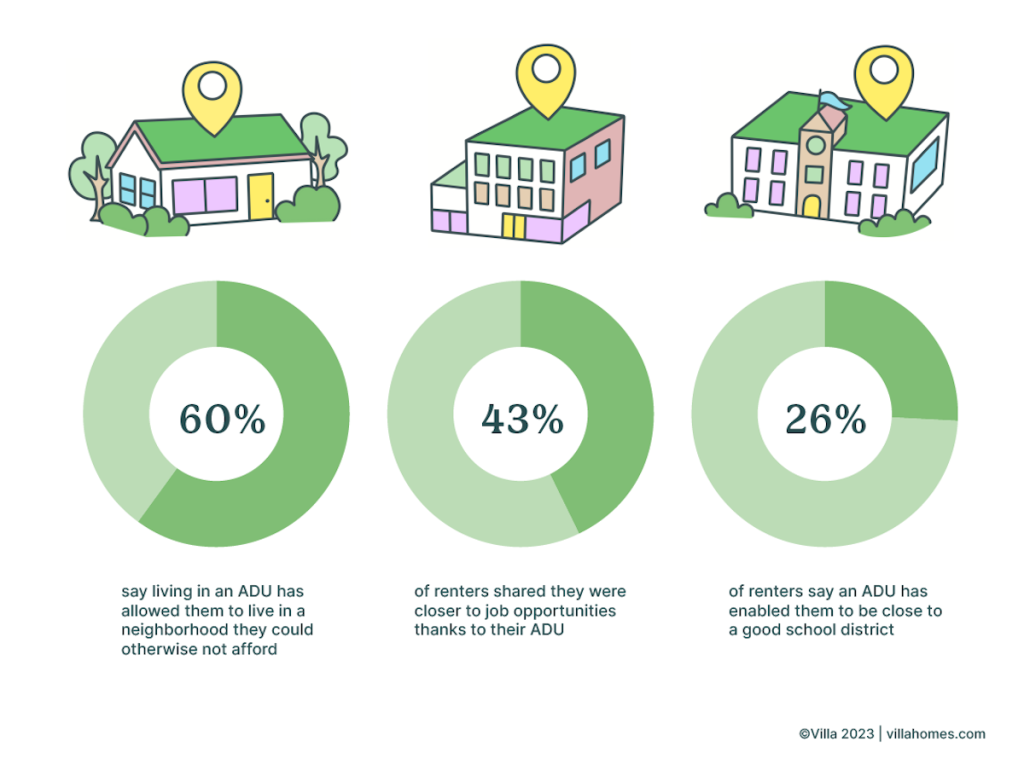
The report also delves into the influence of ADUs on renters. Among those currently residing full-time in an ADU, a substantial 60 percent disclosed that they are now able to live in a neighborhood that would have otherwise been financially out of reach. Further, an additional 43 percent of renters reported that ADUs have brought them closer to employment opportunities. Notably, more than a quarter of renters also mentioned that ADUs enabled them to enroll their children in top-rated schools, underscoring the positive impact of these units on their lives.
The advantages of these housing structures are noteworthy. Firstly, many ADUs can be built using modern offsite construction techniques. These prefabricated structures can be assembled at a considerably lower cost compared to conventional construction methods, leading to quicker completion times.
Moreover, prefabricated ADUs reduce the duration of on-site construction activities. Construction noise typically poses a significant source of frustration for neighbors in areas undergoing home construction or exterior work. This irritation is further compounded by the Covid-19 pandemic, as more individuals now work from home offices and living rooms. Offsite construction methods play a pivotal role in mitigating these concerns by eliminating several months of construction-related noise and dust.
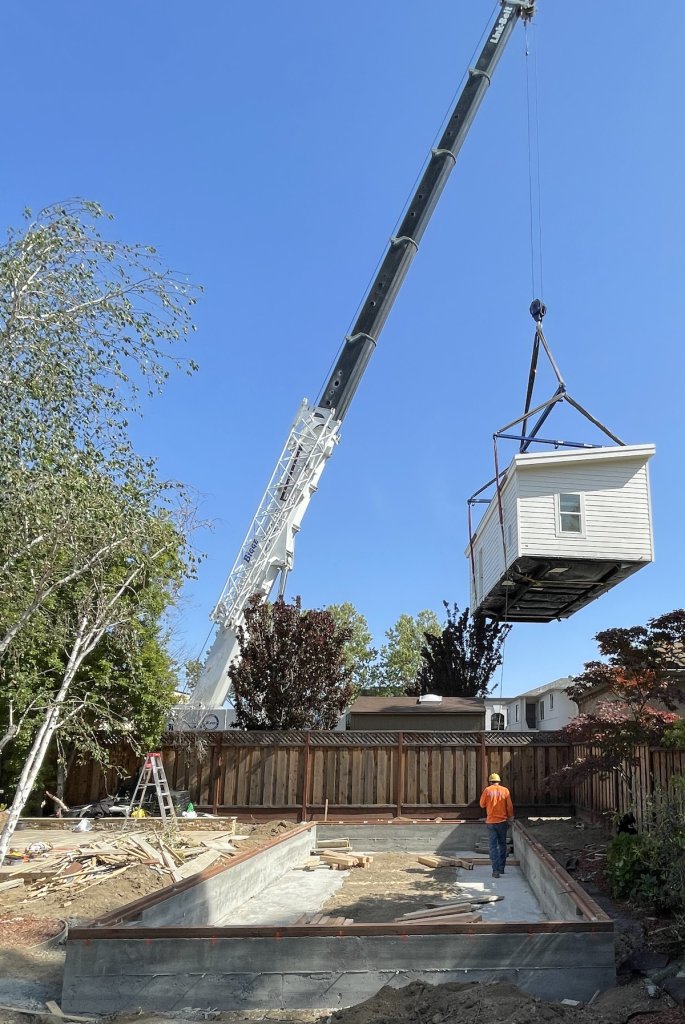
For instance, consider this prefab ADU being lifted in by a crane. The design and construction were overseen by Villa, the largest prefab ADU builder in California. Although the unit will still require some on-site work, such as utility hookups and interior finishing touches, the majority of exterior construction was completed offsite. Anecdotally, at this particular worksite, neighbors gathered, excited to see this ADU lifted in by crane, rather than complaining about the construction.
By continuing to support ADU legislation and encouraging local initiatives such as the California ADU Grant Program, homeowners can make a difference in creating opportunities for lower-income families to be part of their communities.
In addition to the altruistic satisfaction of contributing to the affordable housing supply, there are substantial financial advantages for homeowners who choose to rent out their ADUs. This dual benefit is a win-win scenario that underscores the versatility and appeal of ADUs as an investment.
For many ADU owners, the prospect of generating rental income is a compelling incentive. More than half of owners surveyed reported that they have successfully earned rental income by offering their ADUs for short-term or long-term rentals. This additional income stream can be instrumental in offsetting the costs associated with building and maintaining the ADU, effectively transforming it into a self-sustaining asset.
Short-term rentals, facilitated through platforms like Airbnb or VRBO, offer homeowners the flexibility to maximize their earnings during peak travel seasons or events in their area. This can be particularly advantageous for those who wish to capitalize on their ADU’s prime location or unique amenities.
On the other hand, long-term rentals provide a stable and predictable source of income, often attracting responsible tenants who contribute to the local community. This rental income can significantly enhance a homeowner's financial security and overall quality of life.
Furthermore, the financial benefits extend beyond immediate rental income. The increased property value that an ADU can bring can result in long-term capital gains. This boost in property value can be especially advantageous for homeowners looking to build wealth through real estate.
In summary, the financial incentives associated with ADUs not only make them an attractive housing option for homeowners but also contribute to the broader economic landscape. As we navigate the challenges of the housing market, ADUs are a resourceful way to combat the housing crisis, offering a tangible way for homeowners to make a positive impact on their communities while securing their own financial future.
Jessica Brown is Marketing Manager for Villa Homes.


Berkeley Launches ADU Amnesty Program
Owners of unpermitted accessory dwelling units can bring their units up to code and obtain certificates of compliance without facing penalties.
How Cities Can Support ADU Production
Although state-level laws are making it easier for homeowners to build accessory dwelling units, high impact and development fees remain a major barrier for many prospective ADU builders.
ADU Demand Grows Across the West Coast
In communities from California to Washington, permit applications for accessory dwelling units outpace the ability of permitting and construction to keep pace.

Amtrak, CN end decades-long dispute with eight-year agreement
The new operating agreement establishes an updated framework for the companies to work together, including processes to resolve disputes.

Judges permit Denver to divert 77,000 acre feet from the Colorado River for reservoir expansion
Overuse and climate change have caused the Colorado River’s water levels to plummet.

Nation's most wind-powered state turns to coal as data centers increase energy demand
For the first time in decades, Iowa has increased its generation of coal power.

Boston has spent millions making the Green Line more accessible — and there’s no end in sight
While the city has invested millions into expanding and adding platforms to the Green Line to make it more accessible, new train cars set to arrive next year will be too tall for disabled passengers to board without raising the current platforms.

Idaho may see an 18% drop in federal surface transit funding — the largest estimated cut in the US
Transit systems in rural communities are much more reliant on federal funding to provide their services.

How ‘post-disaster gentrification’ alters neighborhoods after natural calamities
After hurricanes, fires or other calamities, the original residents of a community are often replaced by younger, wealthier residents.

FREE Course: Walkable City 1: Why Walkability?
After describing his path towards focusing on walkability as the essence of good planning, Jeff Speck marches through his five principal reasons for making more walkable places.
Reinventing Malls: Planning Alchemy—Turning Gray Fields Into Gold
The course focuses on the opportunities and imperatives that shape reinvention of mall sites.

City of Wisconsin Rapids
Harvard University Graduate School of Design
KFH Group Inc.
The Architects Foundation
University of Cincinnati Online
The Pocatello Development Authority
The Urban Renewal Agency of the City of Pocatello

