Exclusives

BLOG POST
Women on a Mission: The Ovarian Psycos Ride for the Health of their Communities
The first in a series profiling grassroots activism to increase biking among the diverse populations of Los Angeles County. In this installment, we spoke with Karen Díaz, a core member of the Ovarian Psycos bicycle brigade.
FEATURE
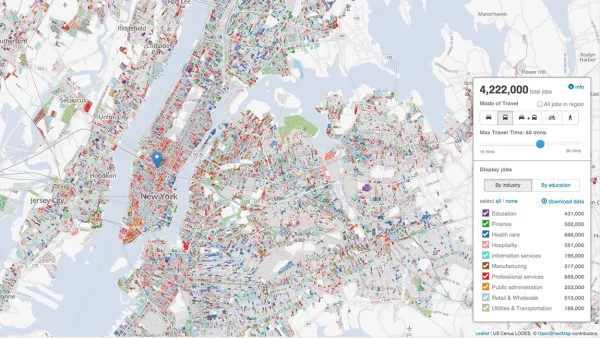
Top 10 Websites - 2014
Our annual list of the ten best planning, design, and development websites represents only some of the top online resources for news, information and research on the built environment.

BLOG POST
Learning From My Condo
Even if new housing is expensive, it can reduce overall housing prices by causing existing units to become more affordable.

BLOG POST
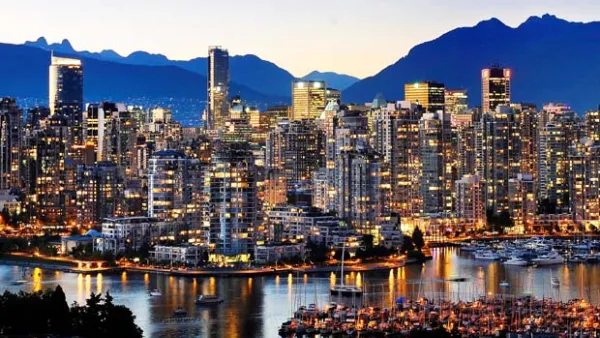
Debating Starchitecture: A Mile High View
Is there a sweet spot where architectural boldness and innovation meet sensitivity to local context, history, and culture?
BLOG POST
Are We Approaching Peak Land Use Control?
With an increasing reliance on development regulations and requirements on land owners to satisfy policy goals, are we approaching an unsustainable point in land use controls?

BLOG POST
Green Health Tools for 'Back to School'
Nisha Botchwey and Kirsten Cook detail the articles available on the subject of green health and schools in the Summer 2014 issue of the Journal of Planning Education. (Articles mentioned in this post have Open Access through September.)

BLOG POST
Let Our Children Walk
Many Americans believe children should not be free to walk alone, because of crime and traffic. But children constantly driven around by their parents or locked away at home are also subject to significant risks.

FEATURE
How Families Can Benefit the Planning and Design of Cities
An August 19 article in the Washington Post took a tough stance on the value of families to urban settings. Here Bradley Calvert responds by describing how families provide opportunities for planners to rethink cities for the better.
BLOG POST
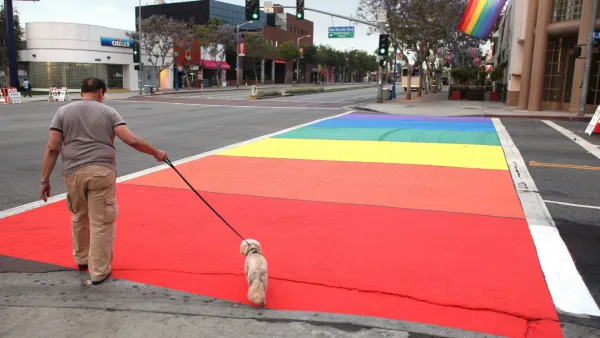
The Future of the Gayborhood
With the advancement of LGBT rights and equality, the traditionally LGBT neighborhood is changing to reflect the tastes and preferences of the new LGBT community within.
BLOG POST
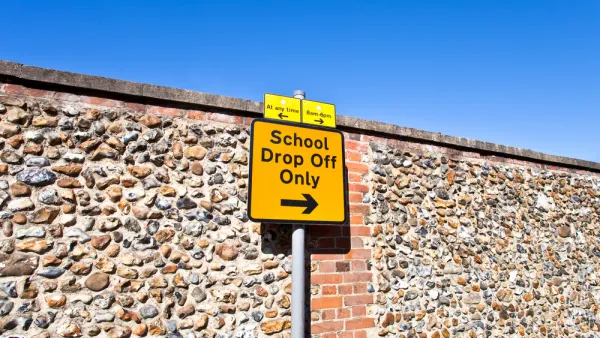
Introducing the Litman 'Chauffeuring Burden Index'
A significant portion of vehicle travel consists of chauffeuring: additional travel to transport a non-driver. The new Chauffeuring Burden Index calculates its direct and indirect costs. Why do these costs receive such little attention in planning?
FEATURE
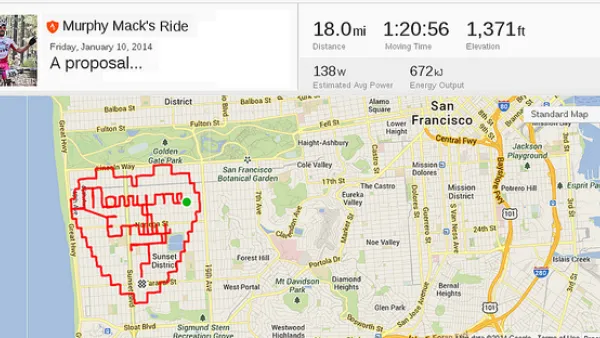
The Power of Public-Private Partnerships: Mobile Phone Apps and Municipalities
Private, crowdsourced mobile phone applications addressing urban mobility collect troves of data on how cities flow. So how can municipalities tap into these databases to accurately understand the movement of their citizens?
BLOG POST
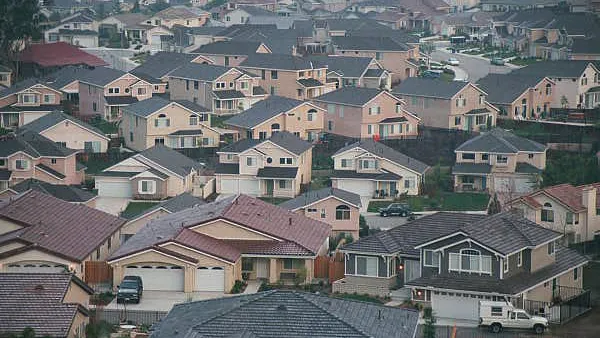
What is a 'House'? Critiquing the Demographia International Housing Affordability Survey
Demographia's International Housing Affordability Surveys are widely used to compare cities and evaluate urban development policies, but there are good reasons to question their analysis methods, starting with their definition of "house."

BLOG POST
Highway to Serfdom
Classical liberal commentator F.A. Hayek argued that monomaniacal government planning would eventually lead to limits on individual freedom—and government hostility to pedestrians may be an example of this.
BLOG POST
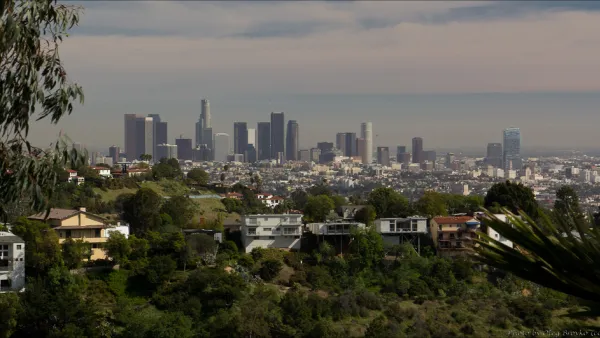
Some Like it Hot: Adapting Los Angeles to Climate Change
Closing out the "Just Add Water" lecture series, four panelists came together to discuss climate change, cultural shifts for sustainability, and adapting Los Angeles's urban fabric for greater climate resiliency in the future.
BLOG POST
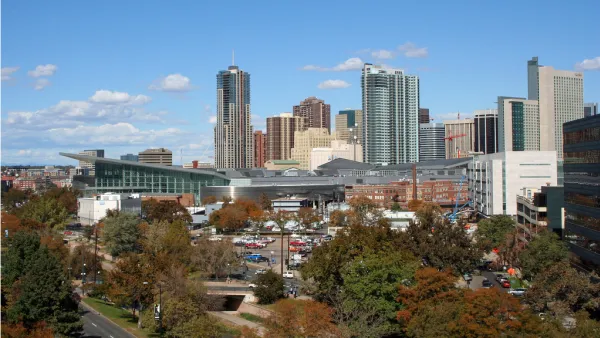
Millennial Fever: Taking Stock of Denver Placemaking
Denver's investments in placemaking—guided by the city's great appeal to Millennials—are a mixed bag of hits, misses, and open questions.

FEATURE
Book Review: 'How Paris Became Paris'
"How Paris Became Paris: The Invention of the Modern City," by Joan DeJean, is full of creative insights on the symptoms of urban modernity as well as bold statements about how Paris came to be one of the world's great cities.
BLOG POST
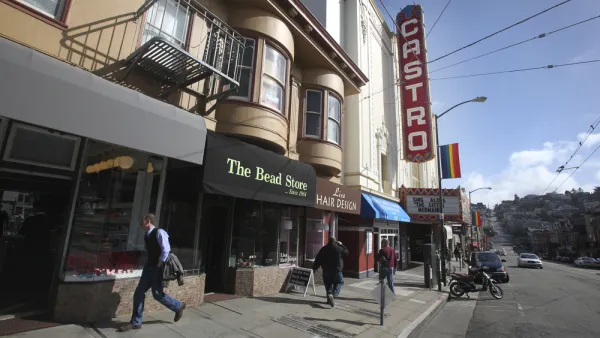
Do Evolving Neighborhoods Mean Dissolving Communities?
Exploding housing costs and changing social attitudes are altering the demographics of established gay neighborhoods in several big cities. As communities become more fluid, do we risk losing their culture?

FEATURE
How a Bunch of Nosepickers are Helping Nashville Plan for its Future
Booming development and shifting demographics are driving updates to Music City’s land use policies. Civic leaders and planners say they want residents to steer the process, which has meant getting people’s attention in some unlikely ways.
BLOG POST
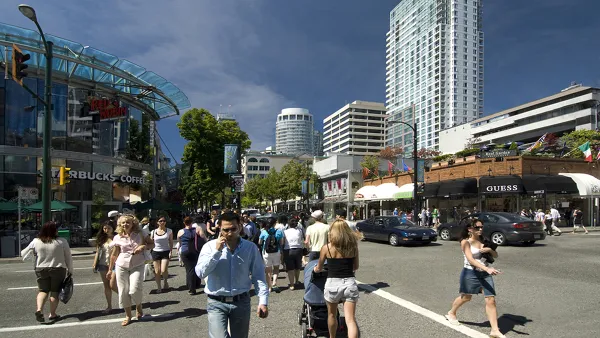
Mission Accomplished? Not Yet
Even if today's renters and homebuyers are more likely to want urban life and walkable neighborhoods than their parents, plenty of political obstacles stand in their way.

BLOG POST
Does the Aspen Ideas Festival Offer Compelling Ideas for Improving City Life?
The Aspen Ideas Festival didn't offer much that was particularly compelling, but it had its moments.
Harvard University Graduate School of Design
KFH Group Inc.
Greater Baltimore Committee
The Architects Foundation
University of Cincinnati Online
The Pocatello Development Authority
The Urban Renewal Agency of the City of Pocatello

FREE Course: Walkable City 1: Why Walkability?
After describing his path towards focusing on walkability as the essence of good planning, Jeff Speck marches through his five principal reasons for making more walkable places.
Reinventing Malls: Planning Alchemy—Turning Gray Fields Into Gold
The course focuses on the opportunities and imperatives that shape reinvention of mall sites.