Exclusives
BLOG POST
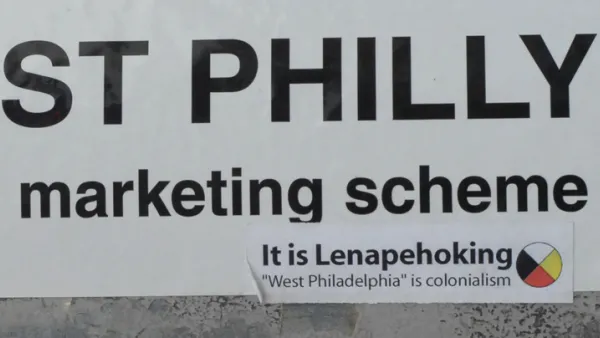
New Research on Gentrification
Describing the Federal Reserve Bank of Philadelphia's recent study on gentrification in that city.
BLOG POST
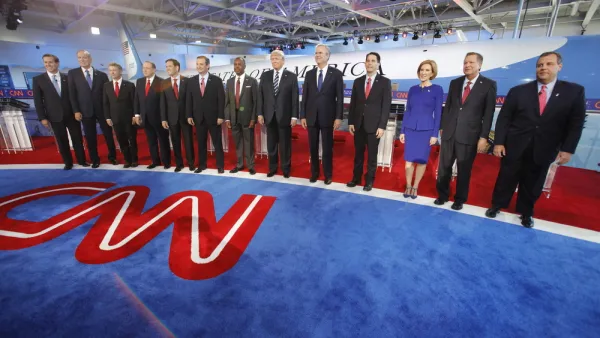
What Does the Upcoming Presidential Election Mean for HUD?
An op-ed explains the significance of the 2016 presidential election for the political clout of the Department of Housing and Urban Development. Those supporting the agenda of HUD, according to this argument, should be wary of a Republican victory.
FEATURE
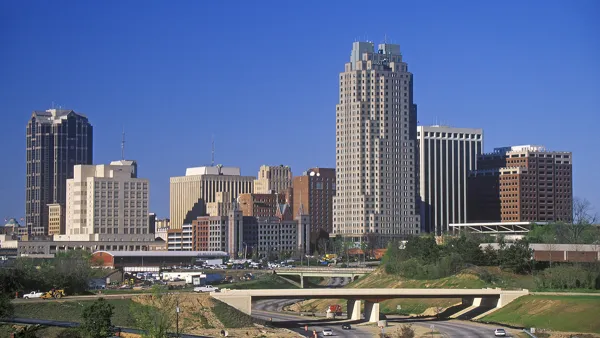
Raleigh, NC Shows Planners How to Plan for Growth
The annual conference of the North Carolina chapter of the American Planning Conference brought together over 500 planners looking for lessons in planning for growth. The conference site of Raleigh provided a case study for a flourishing region.

BLOG POST
Technologies for Understanding Cities
Researchers are examining technologies that can aid in understanding many aspects of our cities, from how citizens interact in plan making, where residents use social media, and how to understand our changing communities.

BLOG POST
So the Chief Doc Says 'Take a Walk'
Though the role for planners in making it easier to walk was clear even before the U.S. Surgeon General urged communities to design and plan for walking, more information is needed to understand why and where people choose to travel on foot.

BLOG POST
Why Do People Hate Cyclists?
At the Association of Collegiate Schools of Planning conference, several researchers shared their work examining why people hate bicyclists and what can be done about that animosity.
BLOG POST
Supply, Demand, and Housing Prices, Part 2
Rebutting arguments against the law of supply and demand.
BLOG POST
Research Offers Lessons on Bicycle Planning
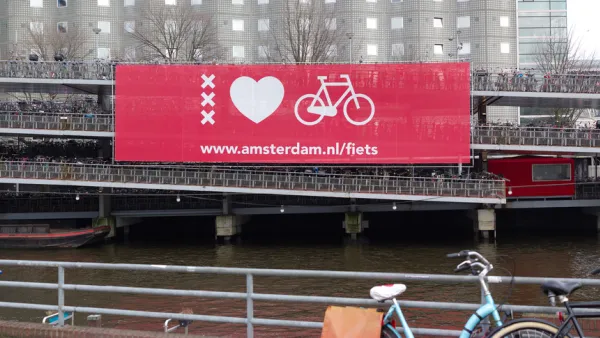
This past week at the Association of Collegiate Schools of Planning conference, planning academics shared their research on planning for bicycles including bike sharing, bicycle education, and the use of cargo bicycles.
BLOG POST
Complete Streets Concepts Are Now Being Applied Worldwide
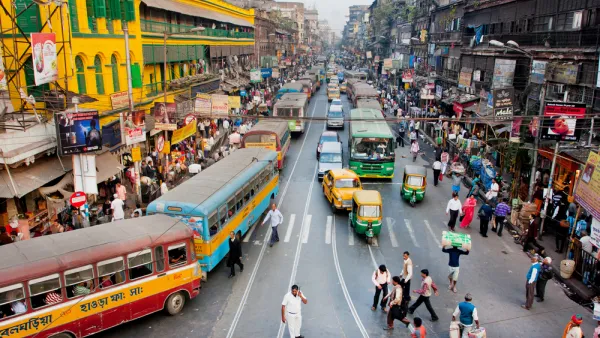
Dehli announced a major new Complete Streets program that will redesign urban roads to favor walking, cycling and public transport over car traffic. This is very good news. It shows that the Complete Streets concept is now being applied worldwide.,

FEATURE
Making the Case for Planning
Planetizen Managing Editor James Brasuell recently gave the Pitkin Lecture at the Pennsylvania state chapter of the American Planning Association's annual conference. An adapted and excerpted version of that lecture follows.

BLOG POST
What Makes a Great Public Space?
The question is often asked and answered by urban planners and placemakers. The perspective offered here boils the essential qualities down to centrality, connectivity, and cachet, with a strong dose of urban "commoning."

BLOG POST
Good Congestion and Bad
The phrase "traffic congestion" can be misleading; some reductions in traffic speed are less harmful than others.

BLOG POST
Tips for Planners to Design Memorable Tourism Experiences
Tourists' expectations when they travel are becoming increasingly sophisticated, seeking stimulating and meaningful experiences. The new book Gamification in Tourism shares how cities are designing memorable experiences.
BLOG POST
Responding to Bike Improvement Skeptics
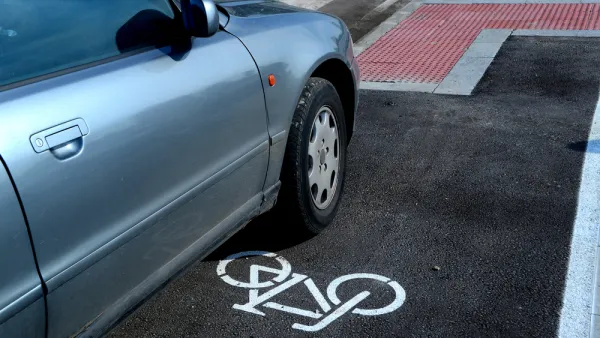
Communities can receive high economic returns from appropriate bicycle facility invesments. It is important that advocates have solid arguments for responding to skeptics.

FEATURE
Planners Across America: Philadelphia on the Rebound
Garry Jastrzab, executive director of the Philadelphia Planning Commission, explains how a new comprehensive plan and a focus on the public realm guide the city as it searches for a balance between the old with the new.

BLOG POST
The Water Wars Are Here, Sort of
Ambiguity in a mid-century water compact has Texas and New Mexico before the Supreme Court.
BLOG POST
Substance, Style, and the Success of the 606
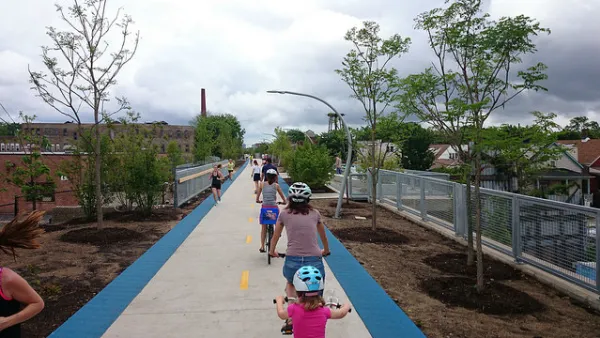
The Bloomingdale Trail, the star attraction of the 606 in Chicago, has been compared to NYC's High Line. But with its restrained design and focus on high-use activity, it is nothing like it, and, in certain ways, it's even better.
BLOG POST
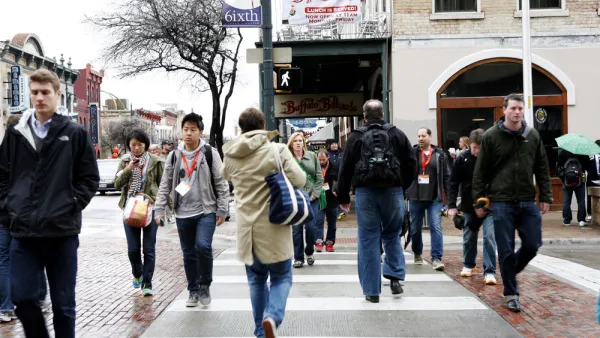
Economic Benefit of Increasing Neighborhood Walkability: Is it a Myth?
Researchers from Texas A&M blog about their study of the economic benefits of walkability in neighborhoods in Austin, Texas.
FEATURE
A Counterpoint in the Great Uber Dialogue
An op-ed counters concerns about the social equity consequences of Uber by allowing the possibility of public benefits arising from transportation network companies.

BLOG POST
The Economics of Rent Control
A simple explanation of why strict rent control reduces housing supply, and why moderate rent control does so to a much lesser extent.
Harvard University Graduate School of Design
KFH Group Inc.
Greater Baltimore Committee
The Architects Foundation
University of Cincinnati Online
The Pocatello Development Authority
The Urban Renewal Agency of the City of Pocatello

FREE Course: Walkable City 1: Why Walkability?
After describing his path towards focusing on walkability as the essence of good planning, Jeff Speck marches through his five principal reasons for making more walkable places.
Reinventing Malls: Planning Alchemy—Turning Gray Fields Into Gold
The course focuses on the opportunities and imperatives that shape reinvention of mall sites.