Exclusives
FEATURE
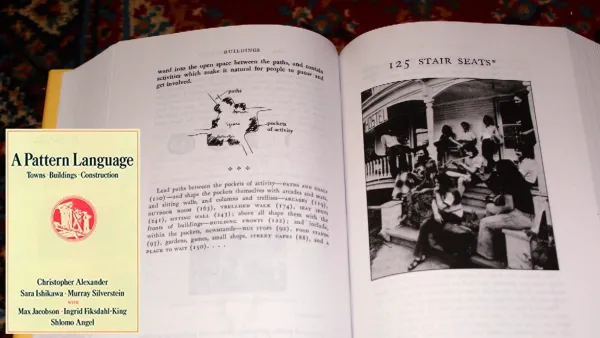
Why Christopher Alexander Still Matters
The author of "A Pattern Language" and "Notes on the Synthesis of Form" had an outsize influence far beyond architecture and urbanism—and still does.

BLOG POST
29 Resources for Onboarding New Planning Employees
New hires are the focus of the Great Reshuffle. While it's tempting to focus on tasks, a balanced onboarding program should also explain how a planning agency's values and policies align with theory and practice. Here are 29 conversation starters.

FEATURE
Urban Highway Removal: 4 Considerations for Reknitting a City’s Fabric
Making the right decisions to create a positive urban legacy.

PLANOPEDIA
What Is CEQA?
Designed to assess the environmental impacts of new projects and provide mitigation measures, the California Environmental Quality Act (CEQA) has a controversial history, sometimes serving as a convenient tool for groups intent on stopping or slowing development.
BLOG POST
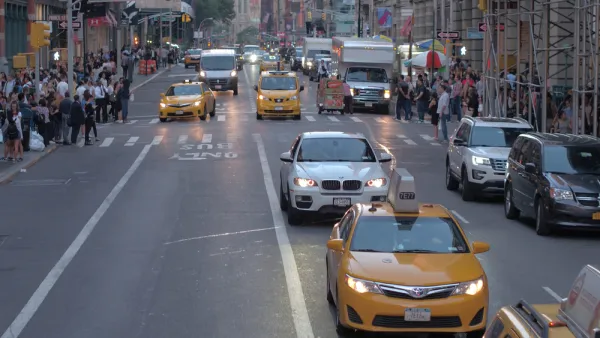
Traffic Deaths in Cities and Suburbs, a 2020s Update
Traditionally, many cities have had lower car crash death rates than suburbs. But is this still the case?
PLANOPEDIA
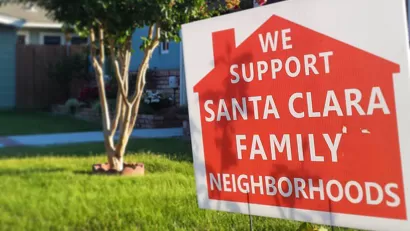
What Is a NIMBY?
One of the most politically charged and controversial terms in planning, the acronym NIMBY stands for Not In My Back Yard.
FEATURE
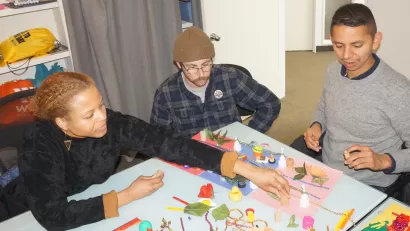
Want Less Polarization? Stop Talking and Start Building
The simple acts of building and playing offer an antidote for today's polarized debates.
BLOG POST
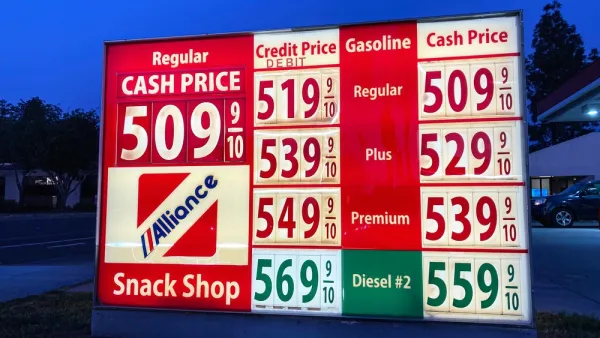
Could High Gas Prices Push Riders Back to Public Transit?
The quick ascent of gas prices, at a time of economic uncertainty for many, could be just the boost public transit needs to get back to pre-pandemic levels of ridership. Or not.
BLOG POST
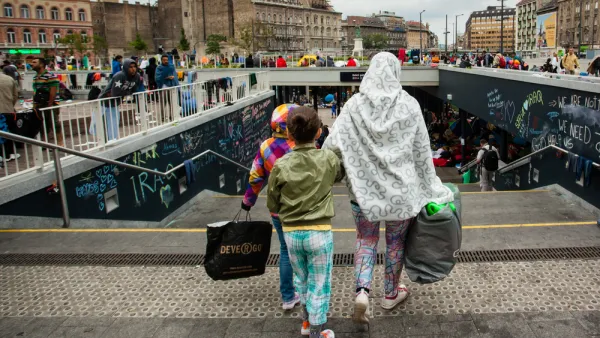
Planning For Ukrainian Refugees
Millions of Ukrainian refugees are flowing into European cities. This begs the question: how can cities like Przemysl, Poland, and many others, successfully integrate displaced Ukrainians as active members of local politics, economies, and society?
FEATURE
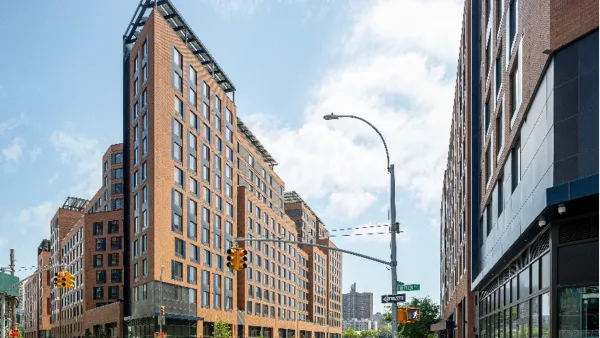
Vital Communities: Housing Quality for Social Equality
Transit-rich, “inner ring” neighborhoods with multi-family, mid- and high-rise housing (going beyond the limits of missing middle housing) will be necessary to deliver access to high-quality, safe, and affordable housing.

FEATURE
Toward Better 'Rural Places and Planning'
The authors of the new book "Rural Places and Planning" expand beyond stereotypes of the rural to describe a more supportive approach to rural planning.
PLANOPEDIA
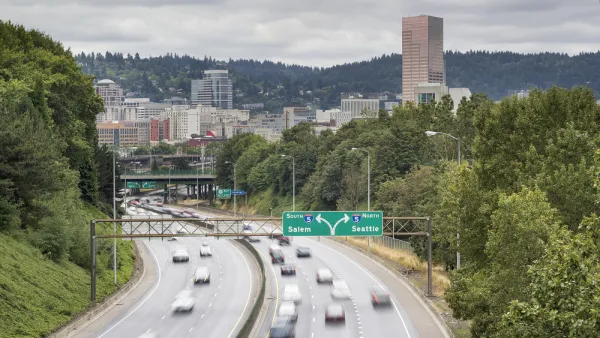
What Is VMT?
A measure of the demand for vehicle travel on public roadways, VMT provides a metric for evaluating the potential impact of road projects and developments and could become an increasingly useful tool for assessing road usage taxes.

BLOG POST
How Cities Are Resisting State Efforts To Increase Density
Cities are attempting to wrest back local control over land use and zoning via some ingenious—and sometimes disingenuous—strategies.
FEATURE
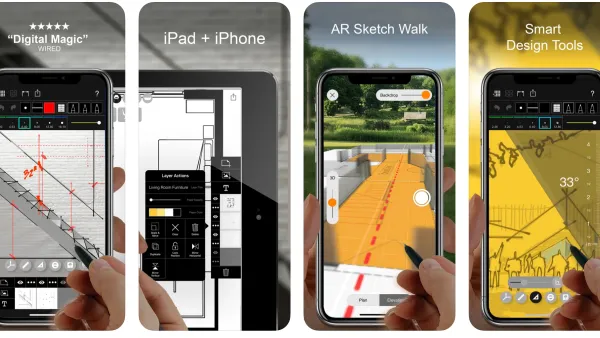
Best Apps for Urban Planning in 2022
Mobile apps continue to redefine the practices of planning—urban planning, regional planning, transportation planning, community planning, and rural planning included.

BLOG POST
Conservatives, Progressives, and Cities
Are liberals more pro-urban than conservatives? On some issues, yes—but in other ways, reality is more complicated.

BLOG POST
Bringing Rurality Back to Planning Culture
Michael Hibbard at the University of Oregon and Kathryn I. Frank at the University of Florida write about their recently published article in the Journal of Planning Education and Research.
PLANOPEDIA
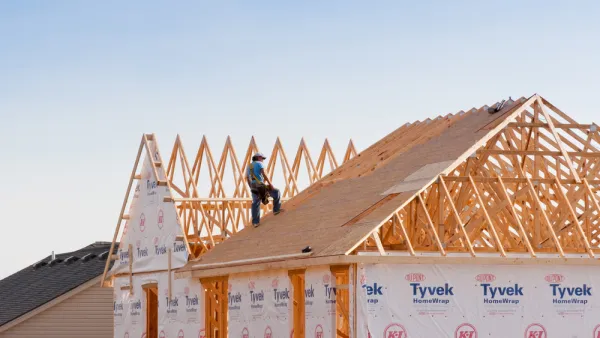
What Is an Entitlement?
In the context of planning and development, an entitlement is the legal agreement between a government and a landowner to allow a proposed development.
FEATURE
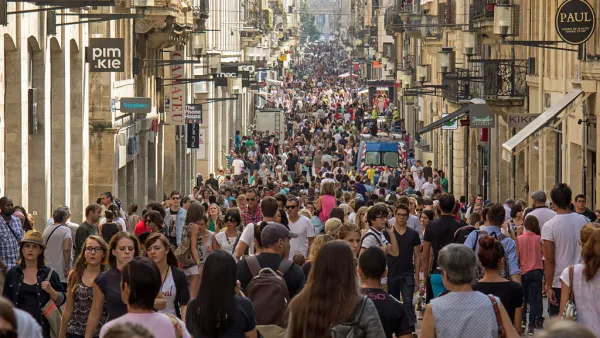
Where Words Fail: Teach Architects and Urban Designers Like Violinists
Architects and urban designers justify or explain their work with words, and municipalities govern design with jargon-filled regulations. The outcome is often underwhelming.

PLANOPEDIA
What Is Car-Centric Planning?
'Car-centric planning' refers to urban planning that privileges the private automobile as a primary transportation mode, often to the exclusion of people who walk, bike, or use public transit.
BLOG POST
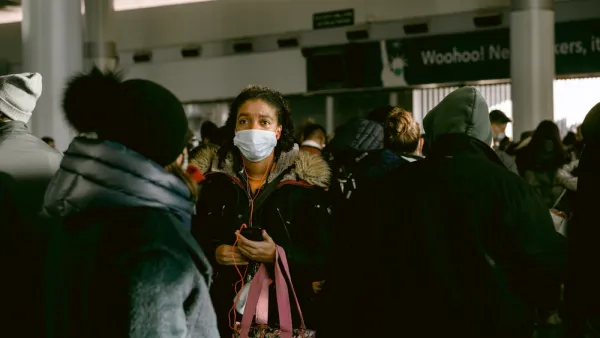
Stimulus Funds Not Enough to Guarantee Transit's Future in D.C. and L.A.
In statements that echo the alarm of March 2020, transit officials in Los Angeles and Washington, D.C. recently announced plans to reduce transit service.
Harvard University Graduate School of Design
KFH Group Inc.
Greater Baltimore Committee
The Architects Foundation
University of Cincinnati Online
The Pocatello Development Authority
The Urban Renewal Agency of the City of Pocatello

FREE Course: Walkable City 1: Why Walkability?
After describing his path towards focusing on walkability as the essence of good planning, Jeff Speck marches through his five principal reasons for making more walkable places.
Reinventing Malls: Planning Alchemy—Turning Gray Fields Into Gold
The course focuses on the opportunities and imperatives that shape reinvention of mall sites.