Exclusives
FEATURE
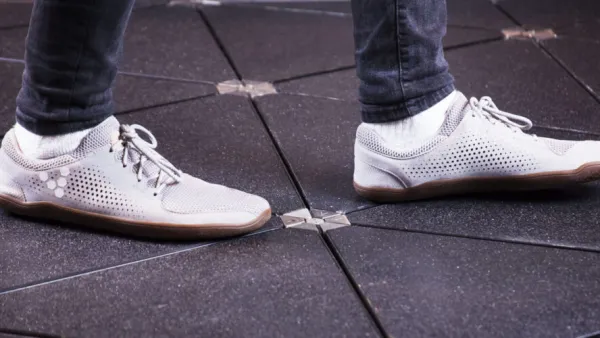
Is the Future of Solar in our Sidewalks?
From photovoltaic pavement to bus stops that charge EVs from below, the next generation of clean energy infrastructure is right under our feet.
FEATURE
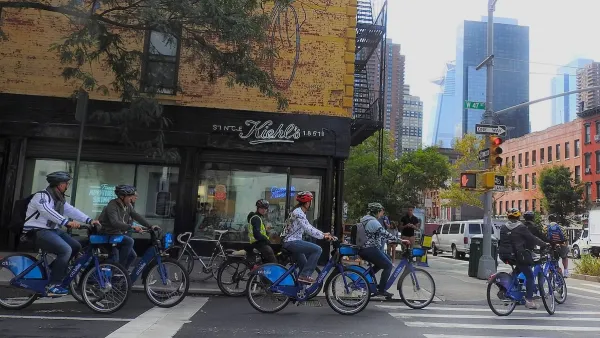
Report: Bike and Scooter Shares are up Again, This Time by 31%. Has the Future Arrived?
The new micromobility report is out, and despite rising costs and tight regulations, it is bigger than ever, and still growing. After nearly a decade of adjustment, cities’ mobility systems may be changed for good.

BLOG POST
How Jayne Mansfield’s Tragic Death Led to Reforms in the Trucking Industry
The shocking death of actress Jayne Mansfield 58 years ago led to changes in the trucking industry, but underride crashes continue to kill hundreds of people each year.

BLOG POST
To Sprawl or Not to Sprawl: But Is That the Question?
As a debate rages in mainstream media about whether or not America should sprawl, a housing researcher says that's the wrong question. We need to do both.
BLOG POST
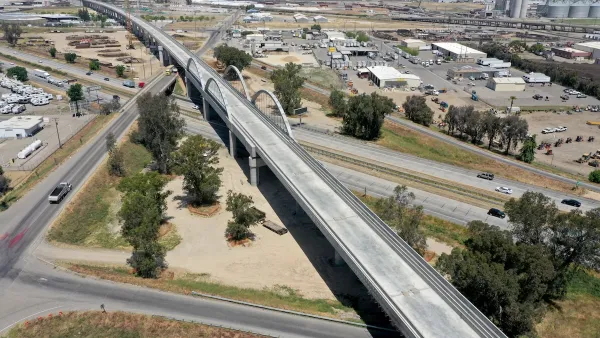
July Must-Reads: Top 10 Articles From Last Month
California loses high-speed rail funding, rural Texas hospitals risk closure, and housing advocates warn that a proposed DC law would disproportionately harm Black residents.

BLOG POST
The Basics of Artificial Neural Networks: What Urban Planners Should Know
Planetizen AI columnist Tom Sanchez takes us under the hood of the technology that drives many AI tools.

PLANOPEDIA
What Is Artificial Intelligence?
Data-driven algorithms can help planners make more informed decisions, but the technology comes with its own risks of error, misuse, and built-in biases.

FEATURE
Why Jeff Speck is a “Zoning Abolitionist”
Decades into his career, the walkability guru has learned a thing or two.
BLOG POST
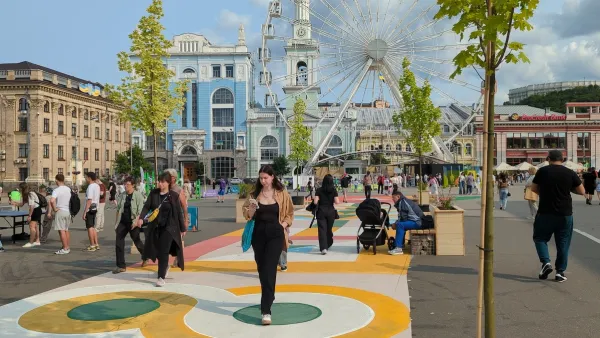
In Praise of Analog Cities: Futureproofing in a Time of Crisis
I didn’t need a pandemic or a war to teach me that smart cities weren’t the future — but it sure drove the message home.

BLOG POST
Taking Green Amendments to the Street
Several states have "green amendments" declaring that state residents have the right to a healthy environment. Could these amendments be used to challenge policies that increase car-related pollution?

FEATURE
The Great Lakes Cities are Touted as a Climate Refuge. The Reality is Much More Complex.
Sewage overflows, invasive species and polar vortexes — America’s climate haven might be more illusive than we think.

FEATURE
Will the Reconnecting Communities Program Survive Trump?
A freeway cap in Portland, Oregon is in jeopardy. But the visionary “restorative redevelopment” next door goes on.

FEATURE
Frederick Wiseman: Cinema’s Greatest Chronicler of the City
For over 60 years the legendary documentarian has quietly chronicled the urban American experience. The result is a subtle, stubborn celebration of the unsung hero of civic life: process.
BLOG POST
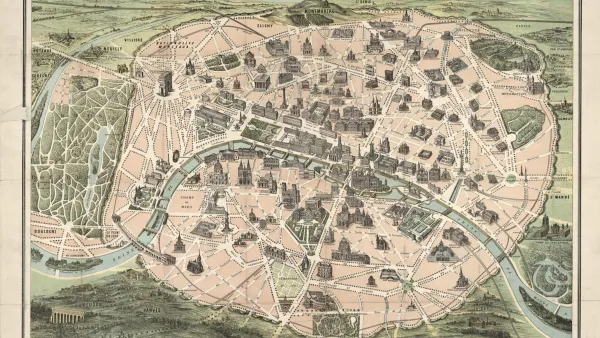
In Urban Planning, AI Prompting Could be the New Design Thinking
Creativity has long been key to great urban design. What if we see AI as our new creative partner?

FEATURE
Is Your City Swimmable?
An interview with organizers of the inaugural Swimmable Cities Summit, which took place this June 22-24 in Rotterdam, NL.
BLOG POST
The Mobility-Productivity Paradox
New research shows that excessive vehicle travel reduces economic productivity, and that less mobility provides more productivity. Yes, you read that right.
PLANOPEDIA
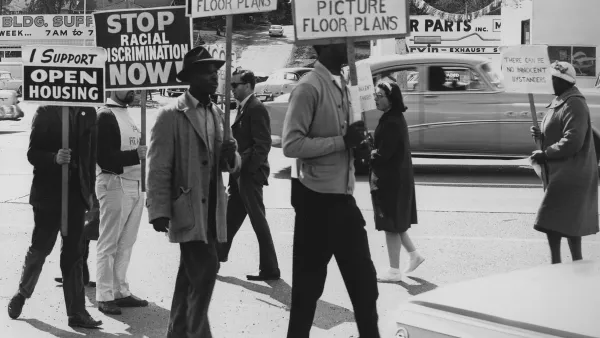
What Is the Fair Housing Act?
Signed in 1968, the Fair Housing Act legally prohibits discrimination on the basis of race, sex, and other protected categories in housing. Over fifty years later, access to safe and affordable housing remains uneven across social and racial groups.
FEATURE
Cuomo Is the Candidate of Both NIMBYs and Developers. What Gives?
In the New York City mayoral race, odd bedfellows align to preserve the housing status quo.
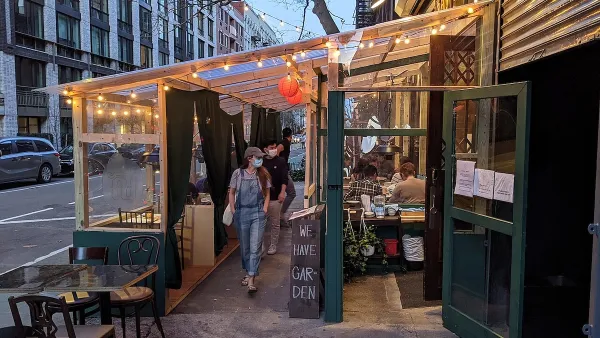
FEATURE
Restaurant Patios Were a Pandemic Win — Why Were They so Hard to Keep?
Social distancing requirements and changes in travel patterns prompted cities to pilot new uses for street and sidewalk space. Then it got complicated.

BLOG POST
How Planners Can Help Cut Corporate Carbon
Up to 75 percent or more of many companies’ greenhouse gas emissions come from activities impacted by urban planning. Like it or not, planners are key players in mitigation. Technology can help.
Harvard University Graduate School of Design
KFH Group Inc.
Greater Baltimore Committee
The Architects Foundation
University of Cincinnati Online
The Pocatello Development Authority
The Urban Renewal Agency of the City of Pocatello

FREE Course: Walkable City 1: Why Walkability?
After describing his path towards focusing on walkability as the essence of good planning, Jeff Speck marches through his five principal reasons for making more walkable places.
Reinventing Malls: Planning Alchemy—Turning Gray Fields Into Gold
The course focuses on the opportunities and imperatives that shape reinvention of mall sites.