Environment
New Study Details the Deadly Effects of China's Air Pollution Problem
New details from a landmark study on the leading causes of death worldwide presents a gloomy picture of the effect of air pollution on the health of China's residents. The toll is 25 million healthy years of life snatched from the population.
IMF: Cut Subsidies to Cut Emissions
A new IMF report recommends cutting energy subsidies globally to reduce overall fossil fuel emissions, reports Brad Plumer.
Obama Pushes Ahead With Major Air Pollution Initiative
After 15 months of 'regulatory limbo,' a proposal to require lower-pollution vehicles and cleaner gasoline nationwide (matching a standard already in place in California) is being advanced by the Obama administration.

America's Hottest Cities May Be Its Most Sustainable
Everything you've thought about climate control may be wrong. And for that realization, you've got Michael Sivak to thank.
Most U.S. Rivers Are Polluted, and Getting Worse
A new study conducted by the EPA shows that 55 percent of the nation's rivers are in "poor" condition, and only 21 percent are rated as "good" and "healthy biological communities." Farm and industrial pollution are to blame.
Mexico City's New Smog-Eating Building
A new building at a Mexico City hospital has been screened with an advanced, and quite attractive, tile that breaks down the harmful pollutants in smog into less toxic substances, reports Zak Stone.
Trump Huffs and Puffs about Scottish Offshore Wind Project
Donald Trump says he will sue to prevent the construction of an offshore wind farm that government officials claim will boost the local economy and meet half of residential energy needs in Aberdeen, Scotland.
Oil Independence or Independence from Oil?
With booming shale oil production in North Dakota and Texas and possibly Canada's vast oil sands, there is talk of energy independence as the U.S. reduces its oil imports. But why not be less dependent on oil - domestic or imported?
More Rigorous Fracking Standards Designed by Drillers and Environmentalists
A two-year negotiating process has culminated with a set of 15 voluntary standards to make for more responsible fracking to safeguard the environment in Appalachia. Some environmental groups are skeptical, and not all energy companies are on board.
Clash of Interests Holds Back China's Environmental Efforts
Pollution is a growing problem throughout China - one that even tight-lipped public officials have been forced to acknowledge. But conflicting government interests - between state-run polluters and concerned policy-makers - are holding back fixes.
Strong Government Regulations Key to Kicking Oil Habit, Reducing Vehicle Emissions
What will it take to greatly reduce oil consumption and greenhouse gas emissions from passenger vehicles? Efficiency, alternative fuels, and strong governmental policies reports the National Research Council. And it will be highly unlikely.
Is the UK Ignoring Its Growing Public Health Crisis?
Air pollution is second only to smoking as a cause of premature death in Britain. So why haven't the country's leaders taken action to address the problem?
Los Angeles Kicks Coal to the Curb
This week, Los Angeles Mayor Antonio announced that the city will wean itself completely from using coal as an energy source by 2025, when it will become "the largest municipal utility in the country to be coal free."
How the U.S. Became an Unlikely Leader in Reducing Carbon Emissions
Emissions of CO2 in the U.S. have fallen almost 13 percent since 2007 - "perhaps the biggest decline among industrial countries." Rather than the result of an enlightened policy shift, the drop has resulted from market forces, says Eduardo Porter.
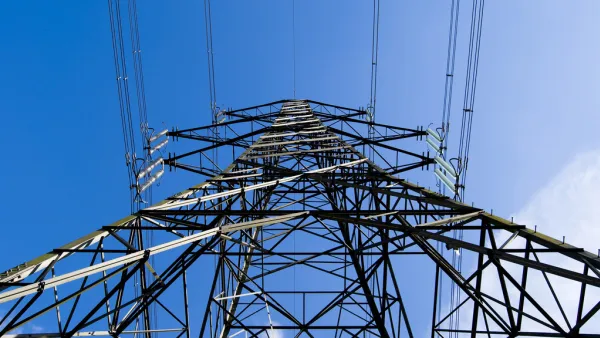
Study Shows that Electricity Consumption Differs by Political Party
Here's a news item that's sure to make for interesting conversation at your next dinner party. A new study has found that liberal homeowners tend to use at least five percent less electricity than conservatives.
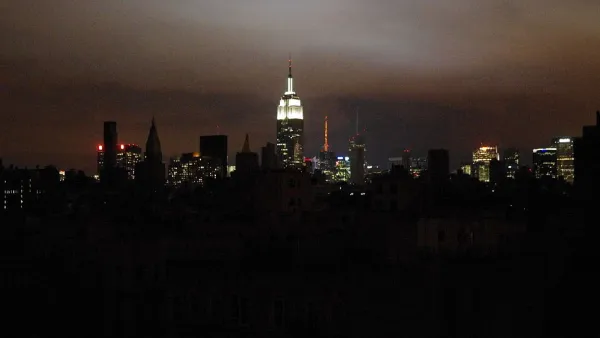
Top Trends 2012-2013
Over the course of the year, the editors of Planetizen review and summarize thousands of articles, books, studies and editorials related to planning and urban development. Here are our picks for the most notable planning trends of the past year.
Felling Opposition to Wooden Skyscrapers
For a number of reasons, the use of wood for the construction of large buildings fell out of favor more than a century ago. So why is one Vancouver-based architect arguing for constructing high-rises using one of nature's oldest building materials?
To Preserve Landscapes, Environmentalists Put Their Money Where Their Mouths Are
A novel approach to land conservation is emerging in the American West, where environmental advocates, ranchers, hunters and rich landowners, are utilizing the free market, rather than the courts, to preserve public landscapes.
Environmental Accounting: Prevention versus Recovery
When the combined cost of coal and oil extraction equals America's annual budget deficit, how do we account for the cost of prevention? Amy Larkin discusses the "environmental debt" - the coming "centerpiece of our financial troubles."
Setback Reported in Landmark Effort to Limit U.S. Power Plant Emissions
Juliet Eilperin reports that the Obama administration's much lauded proposal to regulate greenhouse gas emissions from new power plants will miss an upcoming deadline for finalization, and will likely be revisited.

FREE Course: Walkable City 1: Why Walkability?
After describing his path towards focusing on walkability as the essence of good planning, Jeff Speck marches through his five principal reasons for making more walkable places.
Reinventing Malls: Planning Alchemy—Turning Gray Fields Into Gold
The course focuses on the opportunities and imperatives that shape reinvention of mall sites.

City of Rosemead
Rutgers University, Edward J. Bloustein School of Planning and Public Policy
One Hundred Miles
University of Michigan School for Environment and Sustainability (SEAS)
Hunter College, City University of New York (CUNY)
The Architects Foundation
City of Cambridge
The Pocatello Development Authority
The Urban Renewal Agency of the City of Pocatello









