Community / Economic Development

The Difficult Task of Creating Topophilia
The Project for Public Spaces celebrates its 40th anniversary this year, spanning a seismic shift from modernist planning and urban decay of the 1970s to the urban resurgence and focus on smart growth of today. PPS's Ethan Kent reflects.
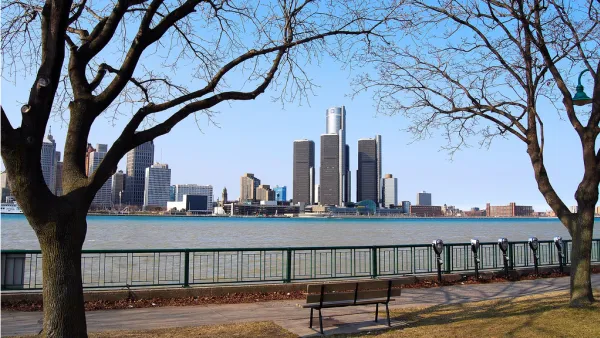
Lessons from Masterminds of Detroit's Rebirth
The enthusiasm of Detroit's new civic leadership, who engineered its bankruptcy and set up its recovery, is infectious. How the city will ultimately fare, and how other troubled cities learn from Detroit's mistakes, remains to be seen.
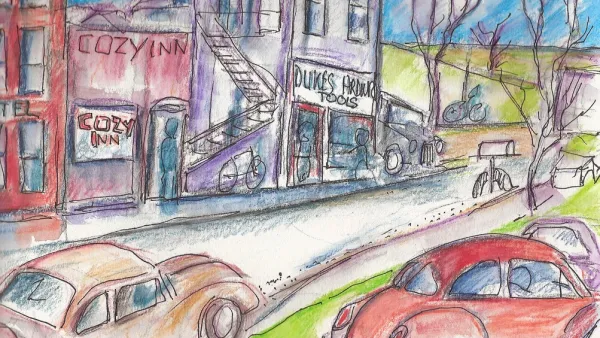
Artists Breathe New Life Into Pennsylvania Town
Long suffering Rust Belt woes and lacking the name recognition of a Pittsburgh or Detroit, York opened its doors to another overlooked group: artists. The results so far are impressive.

Uber Now Employs 20,000 in the Bay Area
With over 162,000 full- or part-time "driver partners" nationwide, Uber is an employment giant. The company's 20,000 Bay Area workers place it among the top five regional employers.
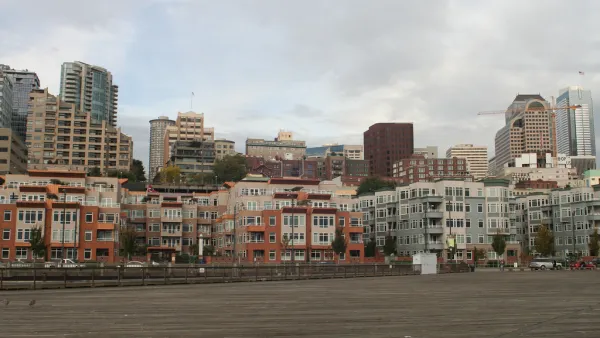
Focus on Affordability at APA National Conference
For all the discussion about affordable housing at the APA National Conference in Seattle last week, clear solutions have yet to emerge. Polycentric regional planning is one long-term goal.
Leadership Change at CicLAvia to Target Goal of More Frequent Events
Aaron Paley, the founder of CicLAvia in Los Angeles, announces a change in leadership and describes the future of the game-changing event—a good read for anyone interested in open-streets, cultural events, and urban quality of life.
Income Tax Cut Fuels South Carolina Gas Tax Debate
The nation's third lowest gas tax will likely see a 10-cent gas tax hike—with or without Gov. Nikki Haley's signature, who insists on a larger income tax reduction than in the bill that overwhelmingly passed the House and is now in the Senate.

Oregon Moves to Lift Inclusionary Zoning Ban
By a vote split (nearly) down the party line, the Oregon House passed a bill to end state restrictions on inclusionary zoning. Municipalities may soon be able to require below-market pricing.

Why Is Minneapolis Growing Faster Than Chicago?
The data shows Minneapolis recovered from the recession more quickly than Chicago. And its growth rates continue to surpass those of its larger neighbor. Why did this happen, and which policies deserve credit?

Philly Pleads with Landlords to Fix Sidewalks
In some cities, maintenance of sidewalks is not the responsibility of the city but of adjacent landowners. Philadelphia is finding what a hassle this arrangement can be. With countless blocks in disrepair, everyone is passing the buck.

Op-Ed: Stop the Hipster Hate
Un-American to some, symbol of oblivious privilege to others, the urban hipster is a polarizing character. But the stereotype also lays blanket criticism on those simply trying to make people-scaled cities work.
Need a Better Story? Get a Better To-Do List
If we can't grow our trust networks beyond our tribes, we can forget about working together successfully as communities and regions, let alone as a nation of citizens or in coalitions of nations in common causes.
'50 Parks' Program Improves Los Angeles' Parks Disparity
Los Angeles is known for a few magnificent parks—but they are hard to reach and concentrated in affluent areas. The 50 Parks program, however, is delivering on its titular promise.

NYC Public Housing Still in Grim Shape
Public housing doesn't suffer the derision that it used to, but housing agencies remain strapped. Critics and residents contend that the New York City Housing Authority, the largest landlord of them all, continues to let down the city's neediest.
A New Remedy for America's Complicated Immigration History
Our immigration system is broken and needs comprehensive reform. Comprehensive reform would address all aspects of our immigration system, not just focus on enforcement measures, for example, or on updating a single kind of visa.
Sacramento Streetcar Funding Reaches Key Goal
Imagine taking a streetcar across Sacramento's iconic Tower Bridge for a three mile trip. Backers are en route to securing matching local funding for the project. However, local voters will have the final say in a June 2 Mello-Roos special election.

How Cities Are Regulating the Sharing Economy
Compiled from interviews conducted with city officials, this National League of Cities report gives us a regulator's-eye-view of the sharing economy. Among the topics discussed are equity, taxation, and data transparency.

Seattle's Homeless Population Is Booming Too
While rates of homelessness drop elsewhere, tents and cardboard are becoming a very regular sight in Seattle. New wealth and newly unaffordable housing may be twin culprits.
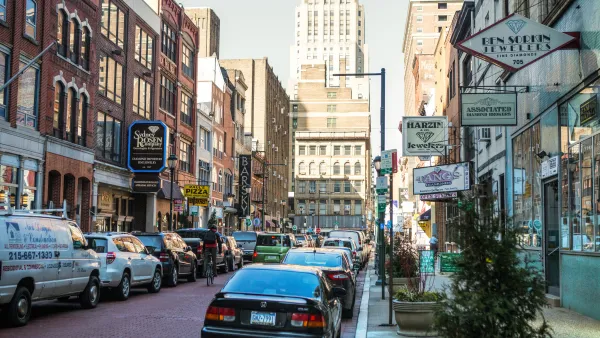
Luxury Condos Versus Philadelphia's Jewelers' Row
Downtown gentrification threatens to displace skilled artisans in a district where workshops go back five generations. Some of the jewelers own their premises, but the rewards for building pricey condos are tempting.
'Stay Hungry. Stay Foolish.'—the DNA of Urban Succession
Don't design for the climax condition if today's marketplace supports something less—and other urban succession ideas.

FREE Course: Walkable City 1: Why Walkability?
After describing his path towards focusing on walkability as the essence of good planning, Jeff Speck marches through his five principal reasons for making more walkable places.
Reinventing Malls: Planning Alchemy—Turning Gray Fields Into Gold
The course focuses on the opportunities and imperatives that shape reinvention of mall sites.

KFH Group Inc.
Greater Baltimore Committee
Eagle County Government
The Architects Foundation
University of Cincinnati Online
The Pocatello Development Authority
The Urban Renewal Agency of the City of Pocatello