Community / Economic Development
Does $15 an Hour Mean Higher Rents?
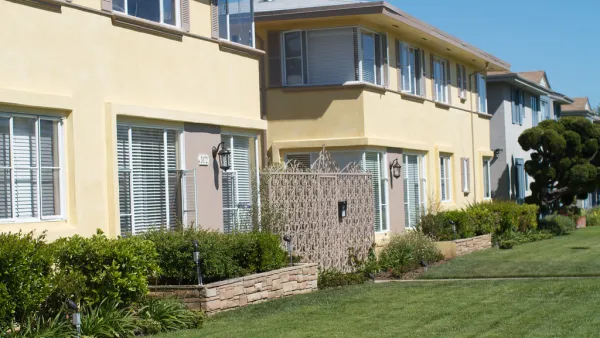
Los Angeles will raise its minimum wage incrementally to $15 an hour by 2020. But with an inadequate supply of new housing, will this new spending power simply enable landlords to charge more? Some economists say yes.
'Melting-Pot Suburbs' Growing in Prominence
Analysis from the Brooking Institution maps the so-called melting-pot suburbs, where demographics closely resemble the diverse population of the country as a whole.
Three Reasons to Use Livability as a Vehicle for Sustainability
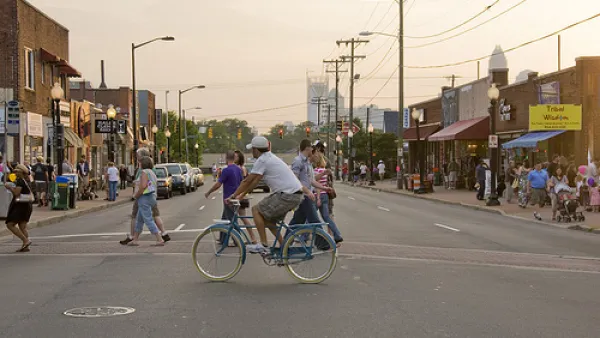
Meghan Gough, assistant professor at the Virginia Commonwealth University, guest blogs about her work on balancing livability and sustainability.
On the Ground in the Effort to Save Detroit's Neighborhoods
As Detroit's efforts to stabilize its neighborhoods progress, valuable lessons and trends are emerging. One particularly bright spot was recently revealed: fewer homes are in need of demolition than originally thought.
The Wisdom of Taxing Land for What It's Worth
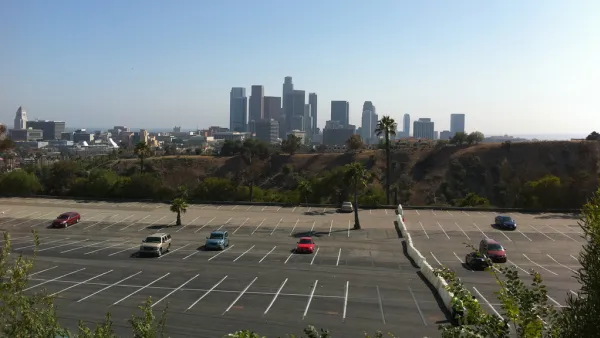
Most cities in the United States tax land according to what an owner builds on it. That's great if you're an owner, but lousy if you're a city that wants something cool built on it. The solution: tax it according to what an owner can build on it.
Drought Exacerbates Conflict Between Cattle and Almonds in California's Central Valley
Sasha Khokha takes an in-depth look at the conflicting interests of cattle and almond businesses in California's Central Valley.

Does Wisconsin Governor Scott Walker Have a Bicycle Vendetta?
Walker wants to do away with Wisconsin's 2009 "complete streets" law and add a $25 retail tax to anyone purchasing a bike. Could this be because his re-election opponent was a former Trek Bicycle executive, or is he just anti-bike?
Happy Hour Anyone? Mapping Liquor Licenses and Crime in Dallas
Questions of how to regulate the sale of alcohol, how to enforce public intoxication, and whether or not alcohol leads to crime can quickly divide communities into factions. So what evidence exists to help cities answer these questions?
Grant Funding Rewards Innovation in Community Engagement
The Citi Foundation and Living Cities announced $3 million in grant funding to help cities adopt innovative practices in community engagement. Albuquerque, Atlanta, Baltimore, New Orleans, and Seattle will have 18 months to empower citizens.

China's Inland Cities Hit Their Stride
China has added to the ranks of the world's megacities at a ridiculous clip. Even so, inland cities have tended to languish in anonymity. With new policies and economic orientations, the Chonquings are starting to compete with the Shanghais.
Questioning the Wisdom of Crowd Funding
After a splashy project recently hit its crowdfunding goals, one write dares to suggest that such fund raising methods might not be the best idea.
Wanted: An Architectural Icon to Capture the Essence of Portland
On op-ed in the Oregonian makes the case for Portland to design and build a unique architectural icon that differentiates the city from its rivals in the Pacific Northwest.
Why Bikeshare Doesn't Appeal to Low-Income Commuters
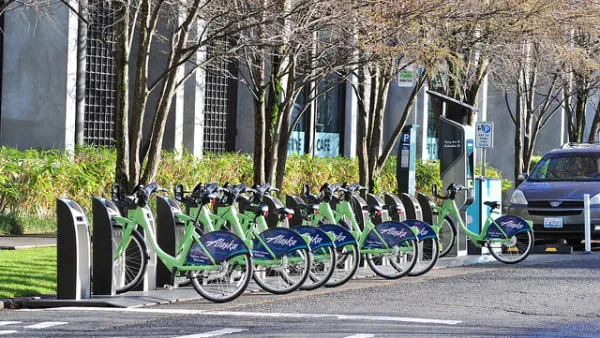
While bikeshare garners a lot of attention from the white and wealthy, it is a less obvious choice for low-income communities. Difficulties include weather, time constraints, and overall demand for non-auto modes.
Study: Golden State Should Change Name to Greenest State
California's economy is not only the "least carbon-intensive" in the United States, it's the second lowest in the world when measured per economic output, according to a new study that evaluates economics and environment.

Tactical Urbanism Takes Reno by Storm
Next City's "Urban Vanguard" fellows envision ways to use tactical urbanism to further the evolution of Reno, Nevada. Their presentations helped city leaders reconsider the ways the city thinks about itself.
Google's Loss is LinkedIn's Gain in Silicon Valley
The city of Mountain View chose to allot most of the redevelopment rights in its much sought-after North Bayshore area not to the city's largest employer and taxpayer but to LinkedIn's more conventional proposal.
'General Welfare' for the Next Generation
The "health, safety, and general welfare" of our communities are poorly served by the outcomes of the status quo.
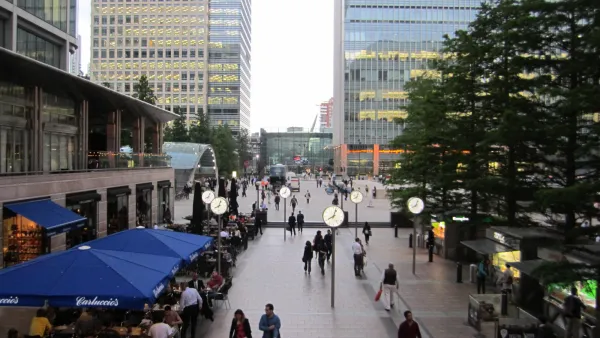
On the Creative Neighborhood's Two Basic Forms
Richard Florida discusses a study comparing the neighborhoods that house "creative" industries. Science and tech tends to favor low-density office parks, while arts and cultural industries prefer mixed-use urban districts.
Silicon Valley Cities' Complex Relationship with Silicon Valley
Silicon Valley isn't just an industry. It's also a place. Actually, a series of places. The dozen or so cities that make up the valley are increasingly wary of the corporate behemoths that are constantly expanding within their city limits.
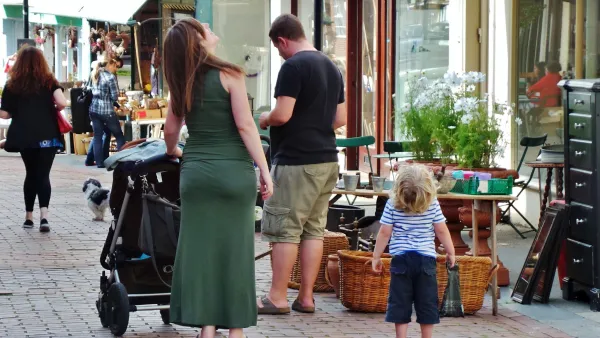
Will Young Families Stay in Cities?
With their reputation for decent schools, lower crime, and affordable housing, suburbs can be an attractive prospect for young families. Can cities retain that demographic? Should they?

FREE Course: Walkable City 1: Why Walkability?
After describing his path towards focusing on walkability as the essence of good planning, Jeff Speck marches through his five principal reasons for making more walkable places.
Reinventing Malls: Planning Alchemy—Turning Gray Fields Into Gold
The course focuses on the opportunities and imperatives that shape reinvention of mall sites.

KFH Group Inc.
Greater Baltimore Committee
Eagle County Government
The Architects Foundation
University of Cincinnati Online
The Pocatello Development Authority
The Urban Renewal Agency of the City of Pocatello