Arizona’s future needs sustainable growth, and part of the answer may lie in an experiment from its past.


The rapid growth of Arizona cities and the attendant questions about sustainability and water supplies topped readers’ minds this month. The state, which had put a moratorium on new developments to curtail water use, has now started scaling back that ban to allow the building of tens of thousands of new homes. Plans are in the works to reimagine a Northern California highway being reclaimed by wetlands. Elon Musk’s Boring Company began work on a tunnel in Nashville, using a state-owned route to skirt city approval. In Florida, a popular bus rapid transit line could lose part of its dedicated lane. On the West Coast, USDOT is threatening to suspend California’s authority to issue driver’s licenses to truckers, and a new state law lets two counties seize RVs that unhoused people live in if they are deemed inoperable.
The full list of October’s most-read stories:
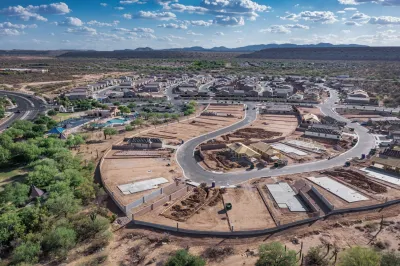
In 2023, the Arizona Department of Water Resources put a moratorium on new water supply certificates, effectively suspending the building of new housing developments. Since then, roughly half a million housing units have been put on hold as the state struggles to meet a growing demand for water.
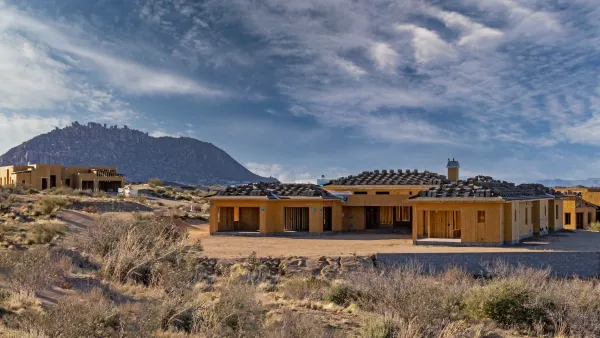
An experimental community started in the 1970s in the Arizona desert never grew into the 5,000-resident town envisioned by its builder, but it continues to offer important lessons in sustainable desert living even as new communities in the state struggle to adjust to an increasingly hostile climate.
A California state highway in the San Francisco Bay Area will likely be underwater by 2100, prompting the California Department of Transportation to develop a plan to widen and lift the roadway to prevent flooding and allow the area’s natural wetlands to return.
The Boring Company broke ground on an underground tunnel in Nashville, using a route planned along state roads to avoid needing approval from city authorities, relying on support from the state instead. The project is one of two Boring Company projects underway (the other in Las Vegas), while the company has failed to gain approval for tunnel projects in other cities lis Los Angeles, Chicago, and Washington, D.C.
The Florida Department of Transportation is asking St. Petersburg to remove a dedicated bus lane along a state-owned stretch of roadway after a state analysis found that the segment saw an increase in crashes and congestion in car lanes. The SunRunner bus rapid transit line currently operates in a dedicated lane, and eliminating portions of it could jeopardize federal funding the line has already received.
Shortly after a report highlighted the number of proposed homes halted in Arizona due to water scarcity, the Arizona Department of Water Resources partially lifted its moratorium on new water licenses, allowing water company EPCOR to build up to 60,000 new homes in suburban Phoenix. The company used a new legal process that allows development to move forward if developers pledge to cut their groundwater use by 25 percent.
A new California state law creates a pilot program that allows authorities in Alameda and Los Angeles counties to impound RVs deemed abandoned or inoperable, even if the owners live in them. The law permits the removal of certain large vehicles valued at under $4,000. The law is aimed at removing public safety hazards but could negatively impact unhoused people who don’t have the resources to move their vehicles.
Rural Georgia is facing a demographic crisis, with nearly 100 of 159 counties reporting more deaths than births. The trend began before the pandemic and rural populations seem poised to keep dropping, while metropolitan Atlanta continues to grow.
U.S. Transportation Secretary Sean Duffy threatened to pull federal funding and California’s authority to issue commercial driver’s licenses, charging that the state has been illegally issuing licenses to noncitizens.
The U.S. Department of Housing and Urban Development (HUD) laid off its entire staff of building inspectors weeks after a partial building collapse in the Bronx. Housing advocates worry the move will endanger the residents of subsidized housing, which was already inspected less frequently than legally required.

Planning Trends for 2026: States and Cities Take Initiative, Passenger Rail Gains Steam, and the Costs of AI Revealed
With federal funding for everything from transportation projects to housing assistance under threat, city and state governments are poised to take a stronger role in building strong, resilient local economies and public services.
April must-reads: Top 10 articles from last month
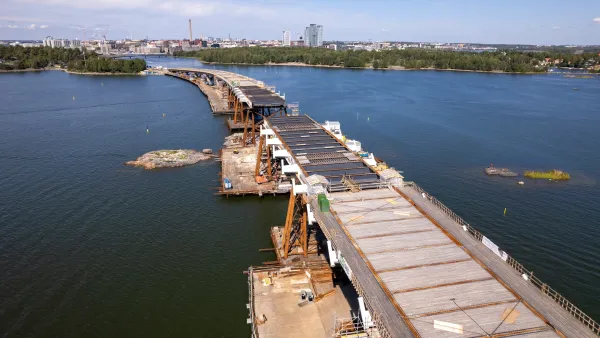
The world's longest car-free bridge opens in Finland, Amtrak's new Mardi Gras line shatters ridership predictions, and Bay Area commuters could lose a third of Caltrain stations.
February Must-Reads: Top 10 Articles From Last Month
Transit agencies like BART and TriMet face lingering budget shortfalls, forcing major service cuts and layoffs, while federal plans to ban fare-free transit throw a wrench in NYC Mayor Mamdani’s proposal to make the city’s buses ‘fast and free.’

Planetizen Federal Action Tracker
A weekly monitor of how Trump’s orders and actions are impacting planners and planning in America.

The state-sanctioned urbicide of Austin
People don’t kill cities. Freeways do.

US to reduce Colorado River water deliveries to Mexico
A new Colorado Treaty amendment reduces Mexico’s Colorado River water allocation by 250,000 acre feet.

Nation's most wind-powered state turns to coal as data centers increase energy demand
For the first time in decades, Iowa has increased its generation of coal power.

NYC cools commuters with city's first rain garden above a bus stop
New York City officials say the plants in the rain garden can absorb 16 gallons of rainwater during heavy storms.

Brightline West’s future may rely on $6 billion federal loan
The company has until Nov. 2 to make a $400 million equity investment into its proposed high-speed rail line.

FREE Course: Walkable City 1: Why Walkability?
After describing his path towards focusing on walkability as the essence of good planning, Jeff Speck marches through his five principal reasons for making more walkable places.
Reinventing Malls: Planning Alchemy—Turning Gray Fields Into Gold
The course focuses on the opportunities and imperatives that shape reinvention of mall sites.

Eagle County Government
Harvard University Graduate School of Design
Nashville Planning Department
The Architects Foundation
University of Cincinnati Online
The Pocatello Development Authority
The Urban Renewal Agency of the City of Pocatello
Journal of the American Planning Association

