The al fresco streets movement, moving dining and retail space into the public realm in space historically devoted to automobiles, continues to gain momentum around the country.



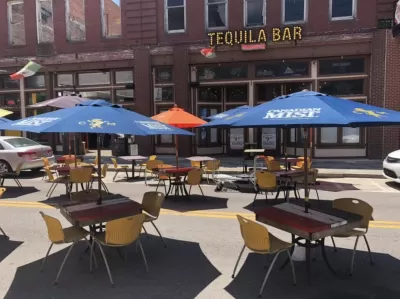
Planetizen has been tracking the increasing deployment of al fresco streets around the country as more cities adopt land use planning and transportation engineering changes to allow for retail and restaurant businesses to set up in the outdoors as the coronavirus pandemic lingers and Americans continue to keep their distance as the economy begins to reopen.
The latest wave of cities to adopt the al fresco streets model for local economic stimulus include San Francisco and Farmingdale, New York, among others reflecting a growing consensus, across wide disparities in geography and economy, of the al fresco streets idea. The differences in each program shows a variety of permitting and design process changes to reflect the unique cities around the country. Given the tough challenges remaining for local businesses during the remaining duration of the pandemic and the experimental aspect of all these changes, streets are likely to continue delivering new iterations of this idea.
In San Francisco, for instance, the city is waiving permitting fees for businesses to fast-track the process of converting to outdoor operations, as described in a paywalled article by Dominic Fracassa. San Francisco is calling its al fresco streets process the "Shared Streets Program." Eve Batey provides additional coverage of San Francisco's Shared Streets Program for Eater LA.
In Farmingdale, an article by Ted Phillips frames the al fresco streets effort as a chance to convert the city's "once bustling" downtown into an "outdoor dining room."
"The village has drawn up plans to close traffic on Main Street and set up 424 seats on Friday and Saturday evenings when restaurants are allowed to reopen," according to Philips. "That lets bars and restaurants with wait service have between 10 and 18 seats on the street in addition to their indoor seating."
The question of whether the measures enacted to support restaurants will be enough to keep businesses alive during the pandemic, is an open question in Farmingdale.
Numerous other large cities around California have implemented al fresco streets programs of some variety in recent weeks, like Long Beach and San Jose. Smaller communities in California, Florida, and New York have also created new al fresco dining opportunities in spaces previously reserved for cars. Albuquerque is on board, too.
The debate about how much public space should be reapportioned to protect Americans from the coronavirus, while also reopening some of the economy to put people back to work, is very much ongoing, so the artifacts of persuasion that have won over skeptical politicians and the public in these cities are notable to advocates. Each new city that decides to convert outdoor space to restaurant and retail uses swings the planning pendulum away from the car-centric tradition. As advocates press holdouts to reconfigure streets, in New York City and Philadelphia, for instance, planners and local officials should be aware of the flexibility of precedent programs to respond to emerging lessons, the unique needs and constraints of each jurisdiction, and ongoing questions about equity and equality in public space.

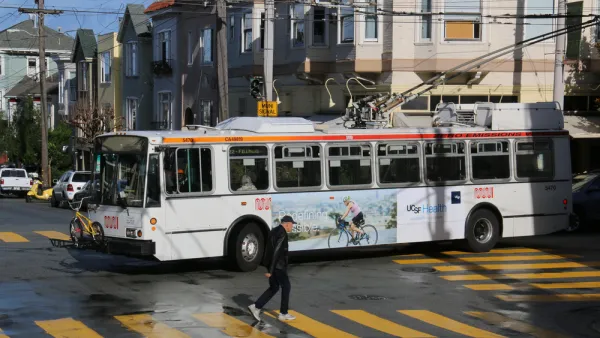
The Transit Catastrophe Continues: San Francisco, D.C. Forecast Service Cuts, Layoffs
Advocates have been waiting for the other shoe to drop as transit agencies deal with cratered revenues during the pandemic without support from Congress.
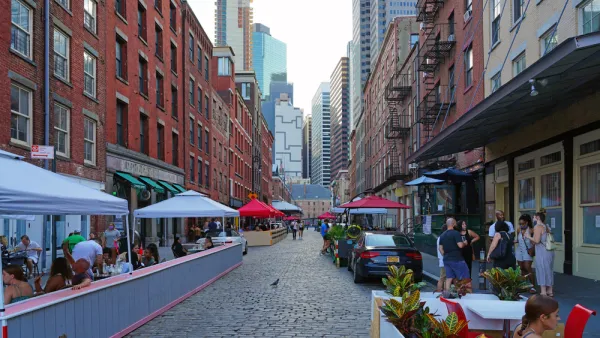
New York Outdoor Dining, Open Streets Programs Now Permanent
New York City will now be measurably less car-centric for the indefinite future.
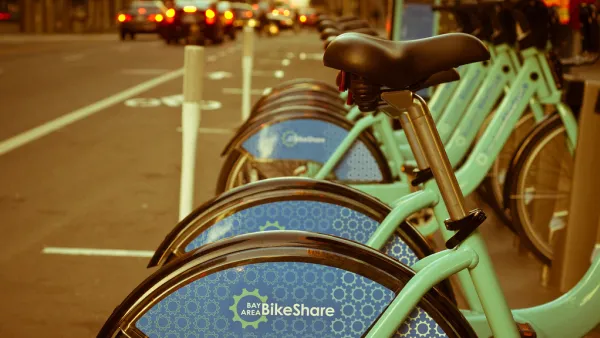
Bike Share Lessons From the Pandemic
Bike share data from six U.S. cities offer insight into how Americans have changed travel patterns during the pandemic.

Planetizen Federal Action Tracker
A weekly monitor of how Trump’s orders and actions are impacting planners and planning in America.

‘Going backwards:’ Baltimore mayor, students rally against state's transit funding plan
Maryland's proposed six-year plan provides no funding for Baltimore’s BMORE bus program and reduces its road maintenance funding.

Detroit to transform waterfront with $2.2 billion investment
Developers will convert about 18 acres of unused parking lot space into civic spaces.

Transit leaders progress high-speed rail from Portland to Vancouver, B.C.
Washington state officials may reveal feasible routes for the high-speed rail in late 2027.

LA to transform part of water treatment facility into new park
By rebuilding some of the Los Angeles-Glendale Water Reclamation Plant’s infrastructure, the city will free up 18,000 square feet to create a new green space for the public.

San Antonio approves $1.1 billion transit agenda
The agency has also begun construction of its Via Rapid Green line, which will service passengers from the San Antonio International Airport.

FREE Course: Walkable City 1: Why Walkability?
After describing his path towards focusing on walkability as the essence of good planning, Jeff Speck marches through his five principal reasons for making more walkable places.
Reinventing Malls: Planning Alchemy—Turning Gray Fields Into Gold
The course focuses on the opportunities and imperatives that shape reinvention of mall sites.

One Hundred Miles
County of Mendocino
planning NEXT
The Architects Foundation
University of Cincinnati Online
Montrose County
Northern Illinois Transit Authority (NITA)
The Pocatello Development Authority

