United States
Dam Removal Goes Mainstream
In 20 years, dam removal has gone from a "fringe notion" to "wide acceptance." National Geographic explains how and why this sea change occurred.
Private Cellphone Data and the Next Frontier of Urban Planning
A survey of the quickly broadening reach of data about the movement of traffic reveals the next step necessary to achieve congestion nirvana: unfettered access to private cell phone data.
Obama to Open Controversial Atlantic Region to Offshore Drilling
A mere day after the Interior Department announced it would permanently block drilling in much of the Arctic Refuge by designating it as wilderness, it proposed allowing drilling in the Gulf, along Atlantic coast, and surprisingly, offshore Alaska.

The Suburbs Are Dead; Long Live the Suburbs
A recent spate of articles pronounced the resurrection of the suburb, so CityLab laid the false dichotomies that drive such proclamations to rest.

Income is How You Get Out of Poverty, Assets are How You Stay Out
In our work to build communities of opportunity where low-income people and people of color can thrive, we must acknowledge that income is how you get out of poverty, assets are how you stay out.
Is the Waze Police-Tracking Feature a Threat to Public Safety?
The popular navigation app Waze includes a feature that rewards users for revealing the location of police officers. A debate over the public safety impacts of that feature is gaining traction, and some police officers want the feature removed.
SEPTA Tops for Women Transit Riders
An informal survey of transit ridership data reveals that Philadelphia's SEPTA has the highest percentage of women riders. But what does that data say about SEPTA and transit in general?
Obama Proposal would Close the Arctic National Wildlife Refuge to Drilling
Setting off a political firestorm in the words of one journalist, President Obama proposed to designate most of the pristine Arctic National Wildlife Refuge as wilderness, angering congressional Republicans.
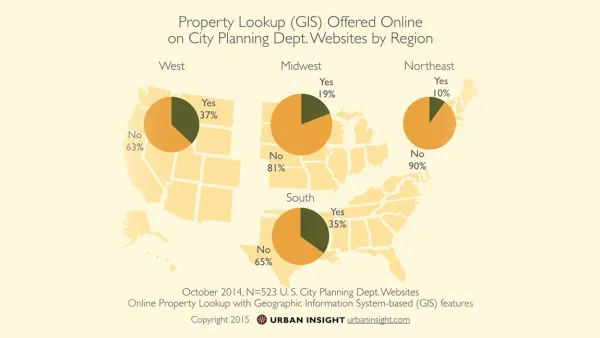
City Planning Department Technology Benchmarking Survey 2015
The following report surveys the current state of Internet technology as employed by the planning departments of over 500 cities in the United States.
How Parking Apps Could Shift the Parking Landscape
New apps have the potential to influence a fundamental shift in the political and physical realities of parking according to a recent Next City article.
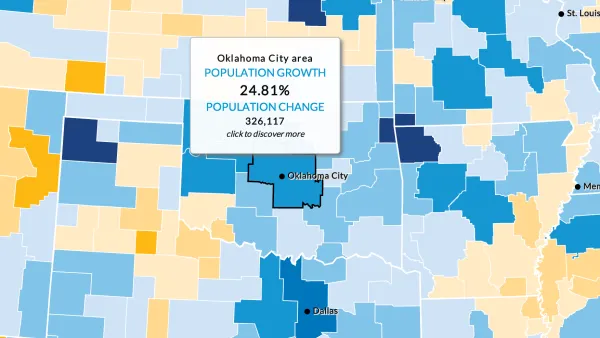
Mapping the Demographic Future of Cities
Cities change. The people living in cities change. A new online tool from the Urban Institute allows users to forecast demographic trends as far out at 2030.
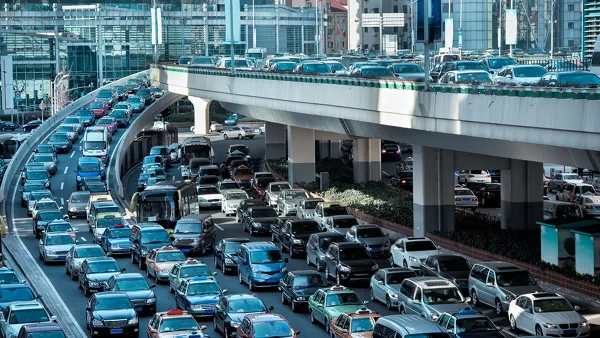
Peak Driving Record Shattered
So long 2007. Hello 2014. According to new DOT data, peak driving is no longer in the rear view mirror but ahead of us thanks to cheap gas getting even cheaper, the rebound effect, an improved economy, and warmer weather.
Golden Gate Bridge Safety Measures Inspire Drivers to Speed
In more proof of how far perceived safety goes in establishing the speed of drivers, the California Highway Patrol is dealing with the unintended consequences of changes on the Golden Gate Bridge.

Are Millennials Different, or Just Delaying Homeownership?
Big, diverse, and a little bit different, the Millennial generation is often cast as the solution to—or the cause of—many of America’s housing challenges.
Report: Global Metro Economies Reveal 'An Uncertain Recovery'
A new report by the Brookings Institution's Metropolitan Policy Program analyzes the growth of the world's 300 largest metropolitan areas.

Urban Millennials Stuck in the Three Largest U.S. Metros
For a variety of economic reasons in addition to urban preferences, young people are not leaving the country's three major metropolitan areas: New York, Los Angeles, and Chicago, and that's not good for the nation's economy nor the individuals.
Mapping the Places Referenced by 224 State of the Union Speeches
If you're into place names and the history of presidential politics, we have just the map for you.
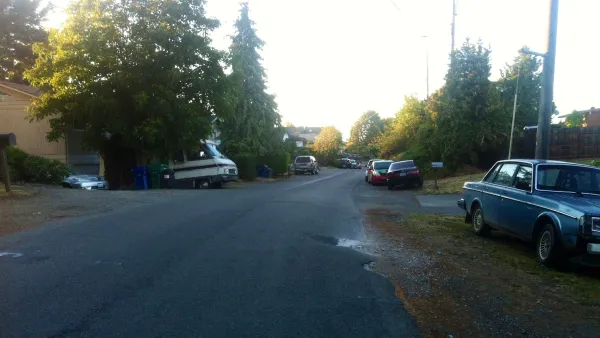
Should a Residential Street Ever Lack Sidewalks?
You're probably familiar with the sight of a long, quiet residential street unadorned by sidewalks, pushing pedestrians, pets, and kids on bikes onto the street. Is there ever a good reason for such a typology?
Disparate Impact: A Texan's Perspective
It’s important to remember, as the Texas disparate impact case reaches the Supreme Court of the United States later this month, the actual people who bear the brunt of Texas' history of housing discrimination.
State of the Union Roundup: On Rent and Infrastructure
In describing the state of the union, President Barack Obama addressed a issues of professional and personal concern to Planetizen readers.

FREE Course: Walkable City 1: Why Walkability?
After describing his path towards focusing on walkability as the essence of good planning, Jeff Speck marches through his five principal reasons for making more walkable places.
Reinventing Malls: Planning Alchemy—Turning Gray Fields Into Gold
The course focuses on the opportunities and imperatives that shape reinvention of mall sites.

One Hundred Miles
County of Mendocino
planning NEXT
The Architects Foundation
University of Cincinnati Online
Montrose County
Northern Illinois Transit Authority (NITA)
The Pocatello Development Authority









