United States
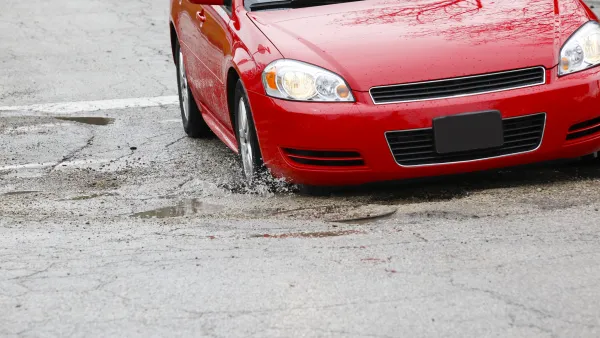
Mayoral Op-Ed: U.S. Needs to Play Catch-Up on Transportation
Mayors Bill de Blasio of New York and Mick Cornett of Oklahoma City say federal dollars are the only way to restore crumbling infrastructure. China and Europe are investing heavily, while U.S. rates are at a 20-year low.
Op-Ed: Charge Drivers by the Gallon, Not by the Mile
Ben Adler of Grist makes a convincing case of why we should stick with gas taxes and not switch to a road usage charge, as Oregon will do July 1 in a limited program. Tax what you burn, not by how much you drive, he argues, to get the best results.
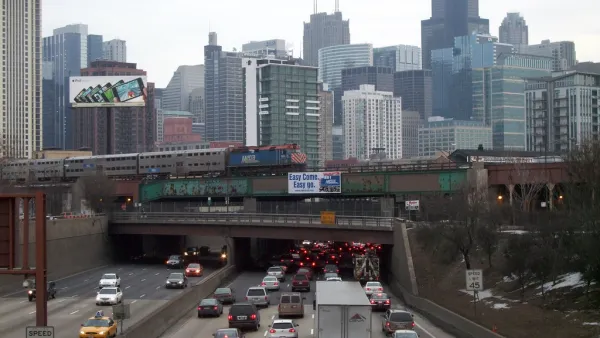
How Urban Diversity Equals Neighborhood Segregation
Statistics sage Nate Silver crunches the numbers illustrating the relationship between U.S. cities' overall diversity and their neighborhood diversity. His conclusion: the greater diversity, the greater the segregation.
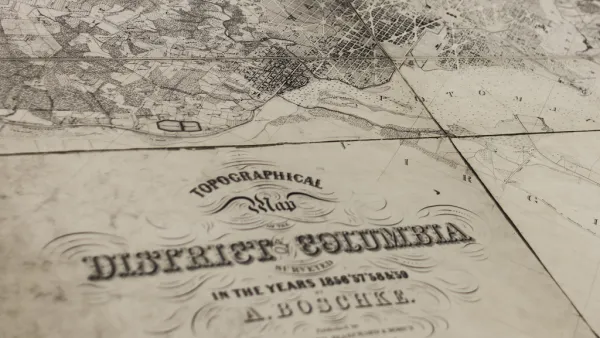
USGS Map Archive Now Easily Accessible
The U.S. Geological Survey has introduced topoView, an intuitive map-based tool making it far simpler to search and access its archive of 178,000 topographical maps dating from 1880 to 2010.
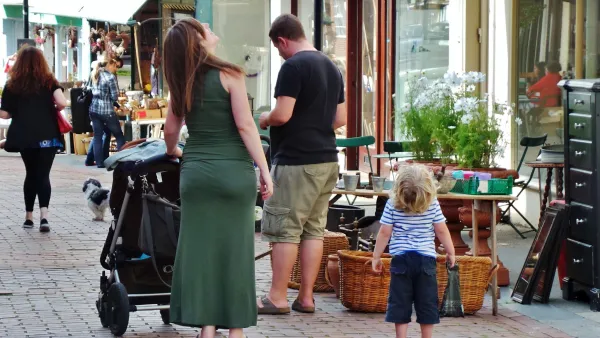
Will Young Families Stay in Cities?
With their reputation for decent schools, lower crime, and affordable housing, suburbs can be an attractive prospect for young families. Can cities retain that demographic? Should they?
Adding the Environment to the 'Progressive Agenda'
The 13-point 'Progressive Agenda' announced by high profile liberal political leadership earlier this week neglected environmental policies. Can progressives get two birds with one stone?
How Regulatory Changes Facilitate Transit Oriented Development
Darnell Grisby makes the case for focusing on ridership and boardings (rather than travel time) and clarifying joint development rules to better facilitate transit oriented development and transit oriented communities.

Malcolm Gladwell on Transportation Safety
Looking at the history of car recalls, Gladwell recognizes a tension between the way engineers see malfunctions and how the public sees them. It's easy to blame the machine, but that doesn't always solve the problem.
House Republicans Slash Amtrak's Budget Hours After Seven Die in Derailment
The timeliness of the debate on Amtrak's budget could not have been worse for House Republicans who appeared insensitive at best in approving almost a 20 percent cut in funding after the fatal Philadelphia derailment that sent 200 to hospitals.
Friday Eye Candy: Maps as Pop Art
A creative cartographer has created a series maps in the cartoon style of pop art.

Friday Funny: City Wants to Skip the Hard Parts of Revitalization
The Onion provides a fake dispatch from a city that wants lobster roll stands and high-end noodle bars on every corner, like now.
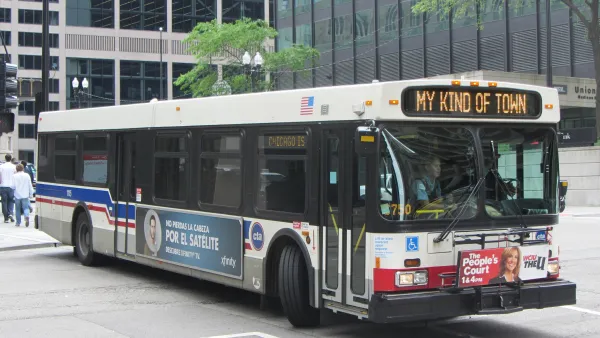
Seattle Lowers Transit Fares for Low-Income Residents
Joining Chicago, Cincinnati, Denver, and Kansas City, Seattle now offers reduced bus fares to low-income residents. Some worry the program entrenches class differences and doesn't truly aid social mobility.

Should You Rent or Should You Buy? Trulia Maps the Question
Real estate website Trulia has released its most recent Rent vs Buy report, breaking down the value proposition of buying a home relative to renting one for cities around the country.
Speed a Major Factor in Tuesday's Fatal Amtrak Derailment
The death toll has risen to seven in the May 12 derailment in Philadelphia. NTSB confirmed the train was traveling over 106 mph on a curve where the speed limit is 50 mph. Positive Train Control, which would have stopped the train, was not present.

How Developers Can Help Make Streets Safe for Children Again
It will take a broad coalition of interests to once again make it safe for "free-range kids" to walk and bike on the streets of American communities.
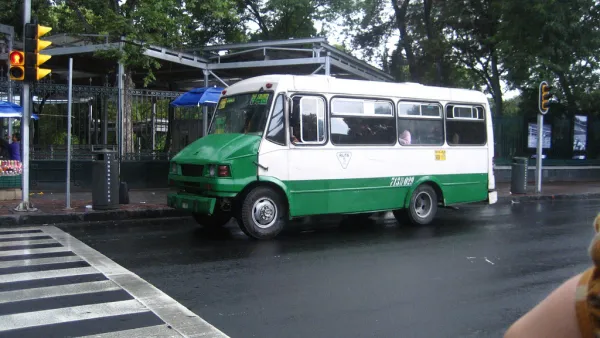
Op-Ed: Microtransit Shouldn't Replace Public Transit
Halfway between public transit and private cars, new and varying forms of 'microtransit' threaten to out-compete traditional public services. Concerns about equity, inclusion, and employee compensation follow.

On the Pros and Cons of Driveways
Whether driveways are anti-urban or 'anti-pedestrian' depends on how we segregate street uses. As shared spaces where they cross sidewalks, driveways inform the wider question: what makes for a good street?

What Droughts Say About Planners and Water Officials
When water policy and land use planning operate in separate spheres, it's more difficult to design for efficient resource use. Better communication is needed in the drought-stricken southwest.
Three Steps to Fix Infrastructure
In commemoration of Infrastructure Week, Bookings provides a three-step program to changing the direction on America's bad habits when it comes to infrastructure investment.
Amtrak Train Derails Near Philadelphia—At Least Six Confirmed Dead
A northbound Amtrak Northeast Regional train derailed after leaving the Philadelphia Amtrak station around 9:30 p.m, on May 12. The scene was called a disaster, with the first of the seven cars that derailed severely crushed. No cause was given.

FREE Course: Walkable City 1: Why Walkability?
After describing his path towards focusing on walkability as the essence of good planning, Jeff Speck marches through his five principal reasons for making more walkable places.
Reinventing Malls: Planning Alchemy—Turning Gray Fields Into Gold
The course focuses on the opportunities and imperatives that shape reinvention of mall sites.

One Hundred Miles
County of Mendocino
planning NEXT
The Architects Foundation
University of Cincinnati Online
Montrose County
Northern Illinois Transit Authority (NITA)
The Pocatello Development Authority









