United States
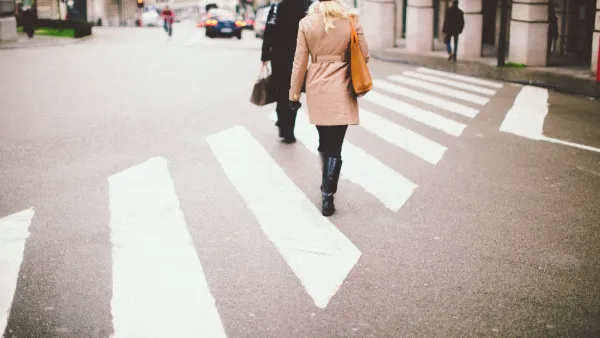
Federal Transportation Manual Update a Chance for Improvement
After 11 years, the federal transportation manual is getting an update to reflect the rise of autonomous vehicles, shared mobility, and modernized pedestrian infrastructure.
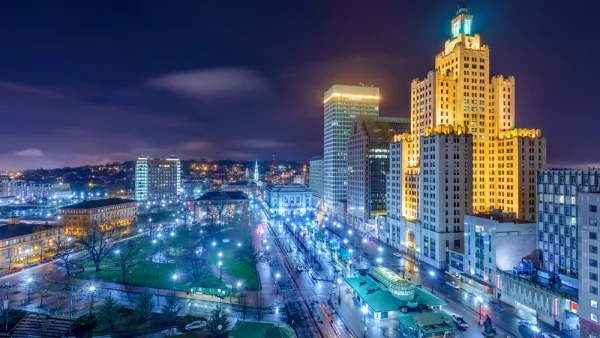
Civil Rights Complaint for Providence's Kennedy Plaza Redesign
The state's plan to dismantle and reorganize its busiest bus plaza faces allegations of civil rights violations.

Are We 'Rounding the Corner' in the Pandemic?
All the coronavirus data is moving in the right direction in most of the U.S., yet 130,000 additional Americans are projected to die from COVID-19 by June according to one widely used model.
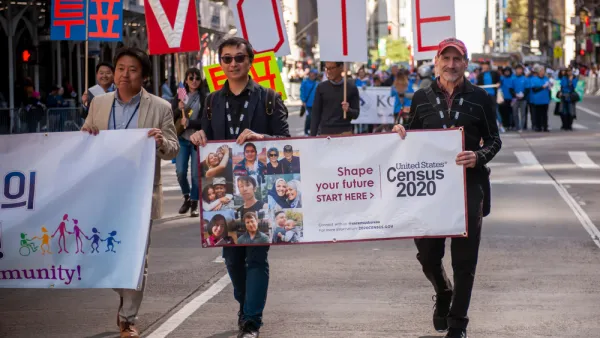
Another Delay for the Census: Now Expected for September Delivery
The pandemic and political mismanagement are continuing to have an effect on the 2020 Census.
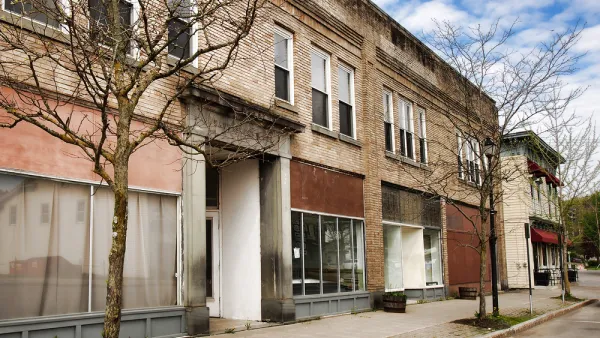
Community Ownership Puts Real Estate in the Hands of Local Residents
One Atlanta neighborhood is experimenting with an ownership model that lets residents buy shares in a community-owned property.
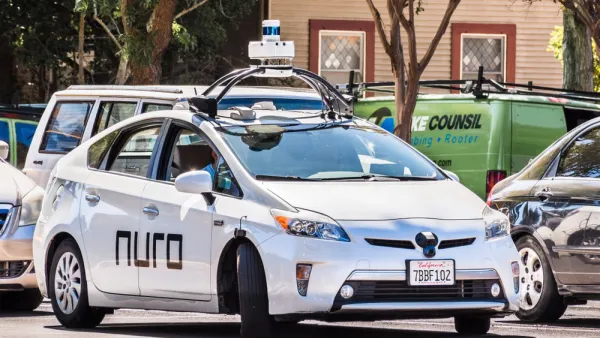
A Framework for Shaping the Deployment of Autonomous Vehicles and Advancing Equity Outcomes
A new white paper provides a foundation for public sector agencies to approach autonomous vehicle deployment and policy with a focus on equity.
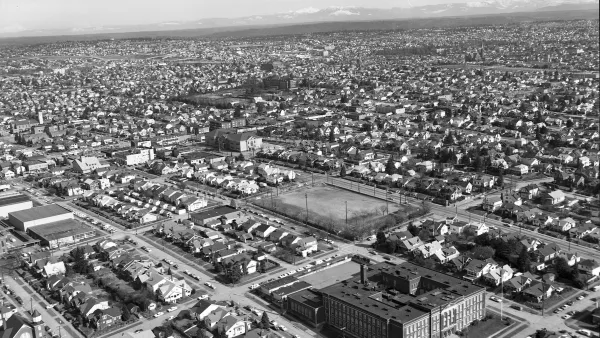
Historic Preservation as a Tool of Exclusion
The push for historic preservation districts often amounts to exclusionary zoning that exacerbates the housing affordability crisis.
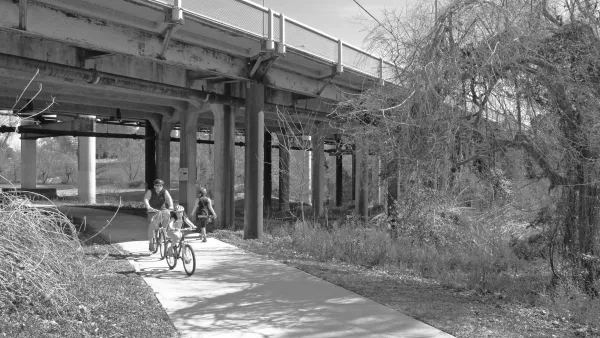
High Hopes for the Future of Biking in Houston
Despite Houston's reputation for sprawl, the city has made impressive efforts to build out its bike infrastructure.

Will Israel Show Us the Way Out of the Pandemic?
If vaccinations are key to ending the pandemic, Israel may get there first as it has the highest rate by far of any nation. Paradoxically, it also has the world's second-highest rate of daily new COVID-19 cases.
Opinion: To Reduce Emissions, Listen to Those Who Don't Drive
An initiative to promote pedestrian-oriented infrastructure investments in Washington state highlights the lessons that policymakers can learn from people who rely on walking and public transit.
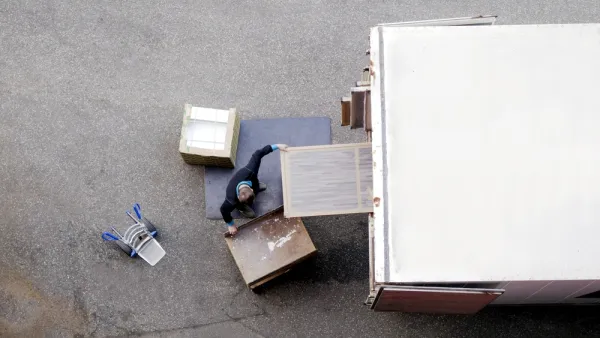
Expect a Big Year for Moving Companies, Survey Says
A recent City Monitor survey says the pandemic is inspiring a growing number of people to consider new locations for living and working.
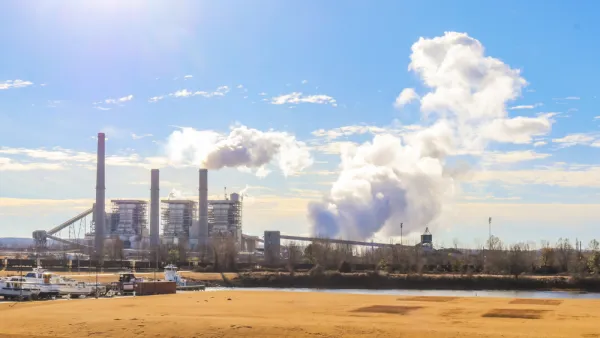
Cities' Self-Reported Emissions Numbers are Way Off, Study Finds
New research shows that the voluntary emissions measurements conducted by many cities vastly undercount their greenhouse gas production.
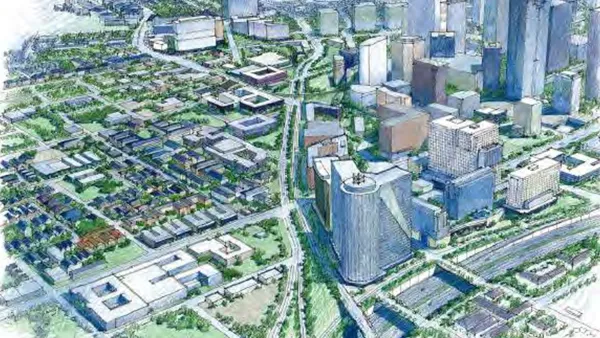
Reimagining the Urban Freeway
With the new administration placing racial justice and equity at the forefront of transportation policy, will America finally reckon with the legacy of its freeways?
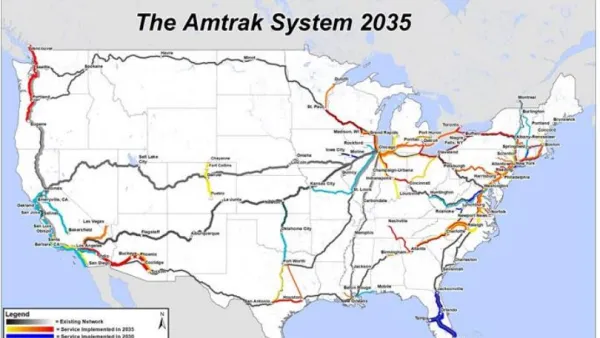
Amtrak's Proposed 'Corridor' Expansion, Explained
Even while dealing with the economic fallout of the pandemic, Amtrak is forging forward with plans to expand intercity rail passenger service around the country.
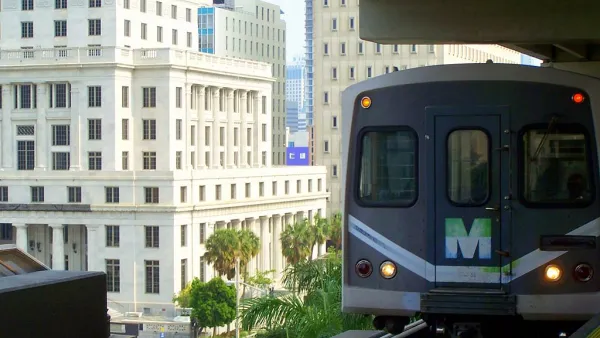
How $30 Billion in Stimulus Funding Would Change the Equation for Transit Agencies
The funding in the draft stimulus funding package making its way through Congress falls short of the total requested by the American Public Transportation Association, but would go a long way to helping transit agencies weather the pandemic.
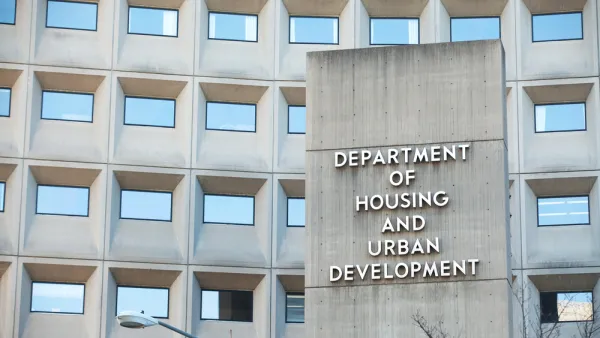
HUD Won't Help With Back Rent Until Eviction Moratoriums Are Gone
Eviction prevention was an eligible use for CARES Act money...until HUD decided that it's not worth preventing evictions until they are under 14 days away.
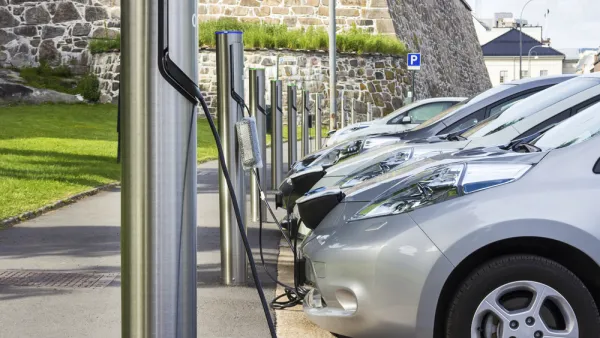
How Far, How Fast, Will Electric Car Policies Go?
The federal government, and even some automakers, seemed poised to nudge the country toward a future of electric vehicles. But the American preference for large trucks will be an obstacle to those plans.

Biden Administration Recognizes the Legacy of Housing Discrimination
In a memorandum, the President acknowledged the federal government's role in patterns of segregation and disinvestment that continue to affect communities of color across the country.
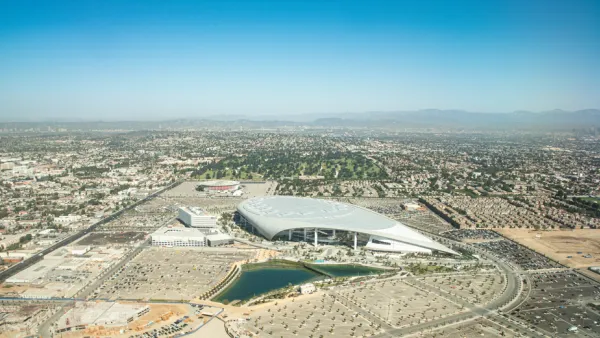
Stadiums, Space, and the City
Stadium footprints are enormous. It's time to get smarter about how they are used.
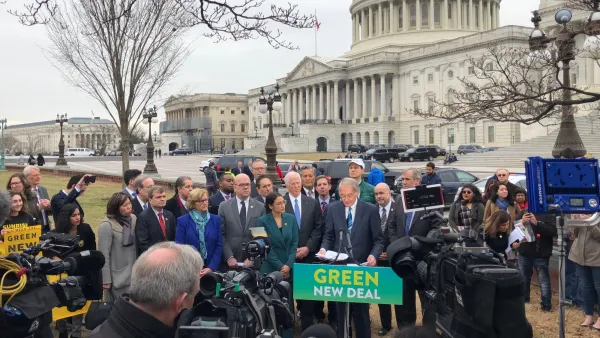
An Environmental Justice Agenda for 2021
Michael Méndez, assistant professor in the Department of Urban Planning and Public Policy at the University of California, Irvine opines on California's continued struggle to implement ambitious climate goals.

FREE Course: Walkable City 1: Why Walkability?
After describing his path towards focusing on walkability as the essence of good planning, Jeff Speck marches through his five principal reasons for making more walkable places.
Reinventing Malls: Planning Alchemy—Turning Gray Fields Into Gold
The course focuses on the opportunities and imperatives that shape reinvention of mall sites.

One Hundred Miles
County of Mendocino
planning NEXT
The Architects Foundation
University of Cincinnati Online
Montrose County
Northern Illinois Transit Authority (NITA)
The Pocatello Development Authority









