United States

Federal Grants Aid Native Relocation, but Will They Be Enough?
Increasingly threatened by the impacts of climate change and extreme weather, many Native Alaskan and other indigenous communities will have to relocate—and soon.

Taking the ADU Model to the Next Level
How can we get more accessory dwelling units built, keep them affordable, and make them a force for increasing racial equity?

How Structural Issues and Bureaucracy Impede Transit Projects
How outdated and inefficient city processes can hinder the progress of transportation projects and prevent the development of a comprehensive transportation strategy.

The Right to Mobility
As we consider how to decarbonize transportation, preserving mobility, especially for lower- and middle-income people, must be a priority.

Early Sharrow Booster: ‘I Was Wrong’
The lane marking was meant to raise awareness and instill shared respect among drivers and cyclists. But their inefficiency has led supporters to denounce sharrows, pushing instead for more robust bike infrastructure that truly protects riders.
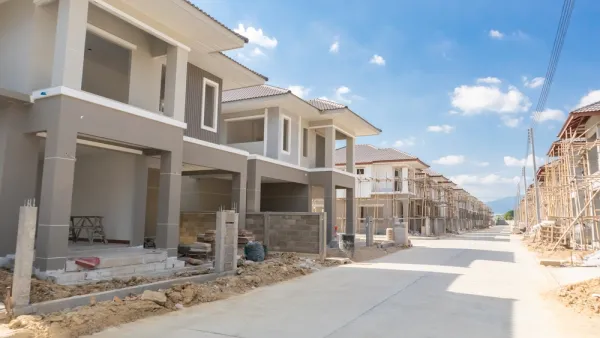
APA Announces New ‘Housing Supply Accelerator’ in Partnership with the National League of Cities
The American Planning Association and the National League of Cities have announced a new partnership to find and implement solutions to the national housing affordability crisis.

White House Announces Policies Aimed at Protecting Renters
The administration acknowledges its limited powers in solving the nation’s housing affordability crisis, but says new actions will examine unfair rental practices and recommend policies to state and local governments.

How Emergency Planning Fails People With Disabilities
In California and elsewhere, power outages can threaten the lives of people dependent on medical devices, while evacuation plans often don’t account for the needs of disabled people.

U.S. Now Thoroughly Rent Burdened
Average U.S. rent burden reached 30 percent for the first time ever at the end of 2022, according to a recent analysis.

Advancing Parks and Recreation with Census Data
Census data are used in a variety of ways that impact parks and recreation, including helping to determine where new parks are built and how funds for park projects and recreation programs are distributed.

The Once-in-a-Generation Opportunity to Remake Downtown
Urban cores around the country were transforming into live, work, and play destinations before the pandemic. The pandemic was a setback for this transformation, but it could also be a rare opportunity. It’s up to city leadership to seize it.

Survey: Mayors Concerned About Direct Impacts of Climate Change
Almost all U.S. mayors have some level of concern about climate change in their communities, but local leaders face some challenges in taking action.

Wave of Household Growth Likely Cresting, Relieving Crowded Housing Markets
A recent series of data on the growth of households in the United States reveals the unprecedented scale of housing demand in recent years.

How Design Guidelines Can Reduce Road Safety
Signs and markings designed for traffic control can make conditions less safe for pedestrians and other road users.
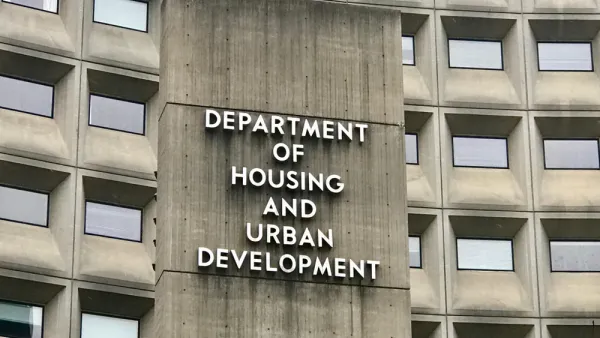
HUD Plans to Revive Fair Housing Rule
The department is proposing an updated version of the Affirmatively Furthering Fair Housing rule, which requires local governments to take action to end residential segregation.

Why the Gas Stove Debate Misses the Point
Banning gas-powered appliances is one part of a broader toolkit of changes in building codes that could vastly improve efficiency.

Redesigning Streets for Livability: A Global View
An excerpt from the introduction of the recent book, “Streets For All: 50 Strategies for Shaping Resilient Cities,” edited by Vinayak Bharne and Shyam Khandekar.

Zoning Has Support for Sprawl: Subdivision, Covenants, and Mortgages
Zoning codes are not the only kind of land use control that has built the U.S. residential market on the suburban model for more than a century, according to a recent article in The Urbanist.

Leveraging Federal Funding for Transit Accessibility
Just 8 percent of U.S. households live near “high-quality transit.” How can federal infrastructure spending help fill this gap?

Cities Need Data to Secure and Maximize Federal Funding
To secure and maintain federal funding for projects and programs, local governments need data to identify priorities, support grant applications, and monitor and track progress.

FREE Course: Walkable City 1: Why Walkability?
After describing his path towards focusing on walkability as the essence of good planning, Jeff Speck marches through his five principal reasons for making more walkable places.
Reinventing Malls: Planning Alchemy—Turning Gray Fields Into Gold
The course focuses on the opportunities and imperatives that shape reinvention of mall sites.

One Hundred Miles
County of Mendocino
planning NEXT
The Architects Foundation
University of Cincinnati Online
Montrose County
Northern Illinois Transit Authority (NITA)
The Pocatello Development Authority









