Urban Development
Employment Growth in Large, Dense Cities Paces Recovery
A study from the Oregon Office of Economic Analysis finds evidence that large, dense metropolitan areas have experienced the most complete recovery following the Great Recession.
Denver's 'Healthy Corner Store Initiative' Up and Running
Denver joined cities around the country this summer by targeting its corner stores as potential solutions for its food desert challenges.

Green Belts Cure Sprawl, Cause Problems
Touted as a solution to mindless suburban expansion, the vast green belts around U.K. cities create new challenges. Among them: less affordable housing, longer commutes, and dubious environmental benefits. What happens if these spaces get developed?
How 'Just Green Enough' Adds the Equity to 'Green'
A Fast Co. Design article explains the "just green enough" concept as advanced by Jennifer Wolch, dean of the College of Environmental Design at the University of California, Berkeley.
Calling on Urban Designers to Lead the Fight Against Climate Change
Alan G. Brake writes an editorial calling on the architecture and urbanism fields to push even further to reduce carbon emissions by designing (and upgrading) efficient buildings.
Attention C-Suite: Place Matters
Mark Murro urges executives to further explore and understand the concept of "return on ecosystem" achieved by locating in particular, well situated places.
Report Collects and Shares Lessons from New York's Land Banks
Practical lessons and best practices will be helpful in empowering land banks to curb the spread of blight, foreclosures, and abandoned properties.
Plans to Close D.C. Homeless Shelter Relies on the Generosity of Landlords
Can a $52 million plan to close the D.C. General emergency shelter rely on the generosity of landlords in providing houses for the homeless?
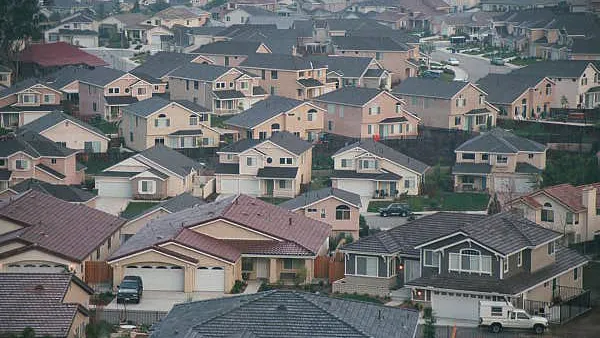
A Conservative Argument against 'Suburban Primacy'
Charles Marohn argues against the staunch conservative defense of suburbs (famously voiced by Joel Kotkin) by showing how suburban development falls short of conservative ideals and cities, on the contrary, embody them.
APA Seeking Input for Updated 'Planning for Sustainability Policy Guide'
The American Planning Association (APA) is seeking input for an update of the 2000 Planning for Sustainability Policy Guide.
An Evolving Houston Plans for its Future
Houston is preparing for a new wave of population growth by preparing a comprehensive plan. The question is what kind of city Houston wants to be.

Eight Ways Planners Can Rest and Rejuvenate
Few people escape on-the-job stress, but LA County Planner Clement Lau has some tips for his cohorts designed to help them recover from the pressures of work.
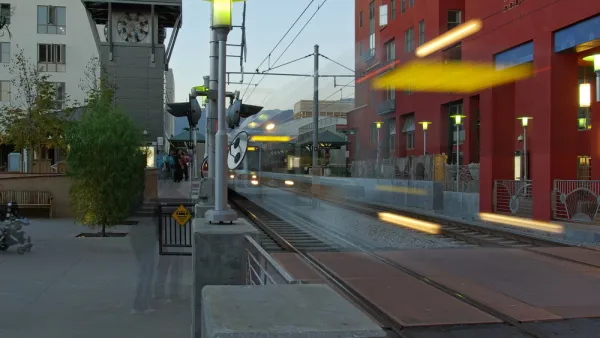
The New Transit User Fee: Real Estate Rent
Driven by a need to meet growing costs amid unstable federal subsidies, metropolitan transit agencies are eying their properties, particularly parking lots, as money makers from new residential and commercial development.
More than 60 Percent of B Corps Located in Cities—What's Their Impact?
B Labs, the nonprofit that oversees and assesses B Corps, reports that, compared to other sustainable businesses, B Corps are 68 percent more likely to donate at least 10 percent of their profits to charity.
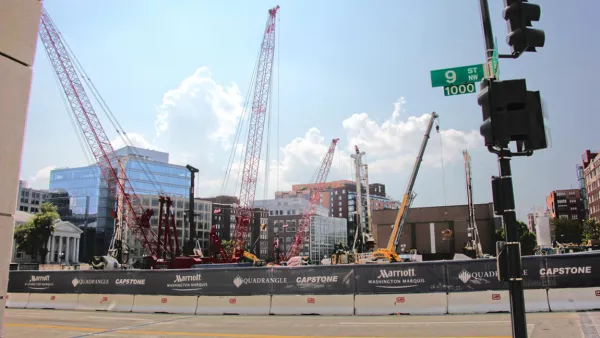
Is Urban Revitalization Possible Without Displacement and Gentrification?
Jared Green asks the billion dollar question for economic developers and planning agencies throughout the United States: is urban revitalization of neighborhoods possible without the subsequent gentrification and displacement of current residents?
Participatory Budget Prompts Mixed Feelings in Paris
A poll gave Parisians direct say over which projects the city government will implement with a new participatory budget. Some city residents relished the opportunity to express their preferences. Others raised concerns.
Subtle, Gentle Creep North for Development in San Francisco's SoMa
There is development life in San Francisco outside of SoMa (South of Market). Jim Chappell, former SPUR director, reviews some of the activity in this second installation of a series.
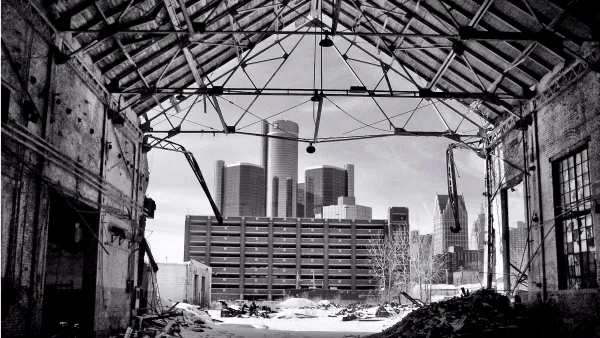
Can Billionaires Revitalize Decayed Downtowns?
Quicken Loans founder Dan Gilbert has an urbanist streak. And only people with his kind of money can singlehandedly buy out big chunks of downtown Detroit. But will his approach to neighborhood-making actually benefit the city as a whole?
Keeping Cities in the Dark
There's a third dimension to sprawl: all those photons that emanate from street lights, houses, and vehicles. As author Paul Bogard discusses in The End of Night, light pollution is an overlooked menace that presents a new frontier for planners.
Ambitious Plans for 'Core to Shore' of Oklahoma City
An ongoing planning effort in Oklahoma City would revitalize a neighborhood adjacent to the city's downtown core long neglected by bad planning.

FREE Course: Walkable City 1: Why Walkability?
After describing his path towards focusing on walkability as the essence of good planning, Jeff Speck marches through his five principal reasons for making more walkable places.
Reinventing Malls: Planning Alchemy—Turning Gray Fields Into Gold
The course focuses on the opportunities and imperatives that shape reinvention of mall sites.

City of Rosemead
Rutgers University, Edward J. Bloustein School of Planning and Public Policy
One Hundred Miles
University of Michigan School for Environment and Sustainability (SEAS)
Hunter College, City University of New York (CUNY)
The Architects Foundation
City of Cambridge
Montrose County
The Pocatello Development Authority









