Market trends have changed in recent years, but how exactly are they changing? A newly published report examines the commercial and mixed use market landscape in the rocky mountain west, and suggests how to properly capitalize on evolving trends.


Commercial and mixed use development trends have changed. Retailers are seeking smaller spaces and “right-sizing” their locations. Young shoppers, accustomed to buying on the internet, are still shopping at brick-and-mortar locations, but now seek a complete shopping “experience,” which includes a desire for amenities and activities nearby.
Together with a growing desire for pedestrian amenities among homebuyers, commercial real estate is shifting away from large stores and malls on the outskirts of town, and toward walkable commercial development in an amenity-rich village center that includes a mix of shops, stores, office space, and residential.
A newly released report from Community Builders, called "RESTORE: Commercial and Mixed Use Development Trends in the Rocky Mountain West" examines the commercial and mixed-use development landscape in the rocky mountain west, and provides in-depth analysis of 32 towns and cities in Colorado, Wyoming, Montana and Idaho to help determine how developers, investors, government officials and business owners can properly capitalize on these trends.
Read the full story: RESTORE: Commercial and Mixed Use Development Trends in the Rocky Mountain West

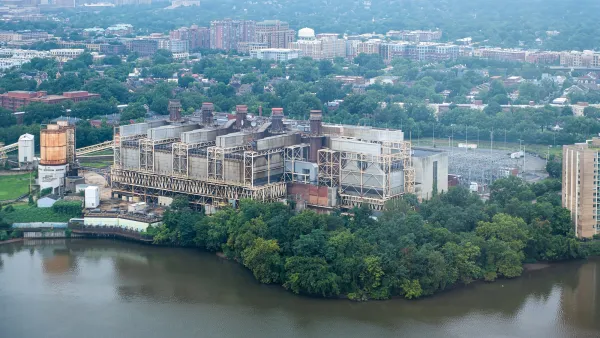
Former power plant in Alexandria to become walkable waterfront neighborhood with 800 homes
The Potomac River Generating Station was once the biggest source of air pollution in northern Virginia.
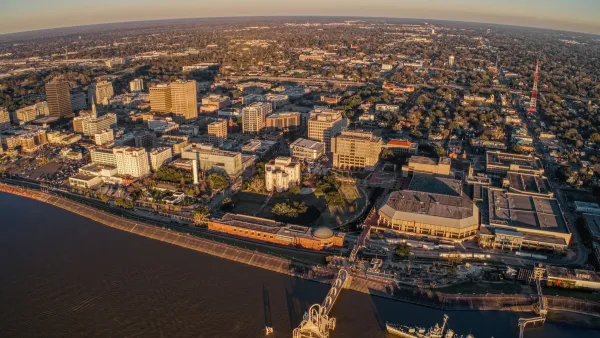
Baton Rouge master plan aims to triple downtown population
The Louisiana capital wants to entice developers to its riverfront district.
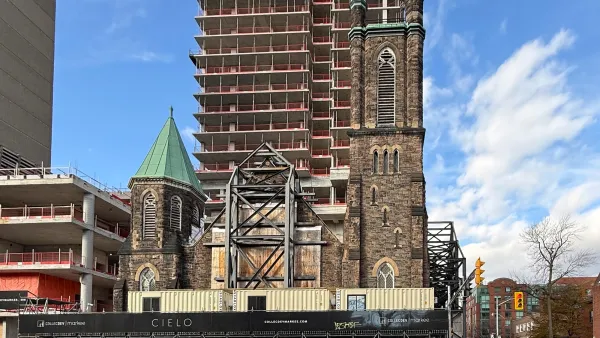
Five simple zoning changes that any city can make to increase housing affordability
Zoning for more affordable housing is not rocket science, says Donald Elliot, author of "An Even Better Way to Zone." Here’s his five-step guide to getting started.

Planetizen Federal Action Tracker
A weekly monitor of how Trump’s orders and actions are impacting planners and planning in America.

‘Going backwards:’ Baltimore mayor, students rally against state's transit funding plan
Maryland's proposed six-year plan provides no funding for Baltimore’s BMORE bus program and reduces its road maintenance funding.

Detroit to transform waterfront with $2.2 billion investment
Developers will convert about 18 acres of unused parking lot space into civic spaces.

U.S.-Iran war may have ‘devastating’ impact on cost to warm homes
Vermont and Maine residents may see a 76% increase in the cost of warming their homes this winter.

Senate bill would ‘overhaul’ environmental permitting laws
Under the proposed act, government agencies would also not be able to suspend or rescind permits after granting them.

Exemption applications for NYC’s pied-à-terre tax see 55% success rate
The city sent nearly 40% of its initial pied-à-terre tax warnings erroneously.

FREE Course: Walkable City 1: Why Walkability?
After describing his path towards focusing on walkability as the essence of good planning, Jeff Speck marches through his five principal reasons for making more walkable places.
Reinventing Malls: Planning Alchemy—Turning Gray Fields Into Gold
The course focuses on the opportunities and imperatives that shape reinvention of mall sites.

One Hundred Miles
County of Mendocino
planning NEXT
The Architects Foundation
University of Cincinnati Online
Montrose County
Northern Illinois Transit Authority (NITA)
The Pocatello Development Authority