Urban Development
A New Era in California for Evaluating Transportation Emissions
An appellate court's rejection of SANDAG's $200 billion sustainable communities plan holds far-reaching implications for how regional planners evaluate greenhouse gas emissions from transportation to meet SB 375 requirements to the year 2050.
Report Finds Doubled Concentrations of Poverty Since 1970
A new report from City Observatory analyzes urban poverty and gentrification using census data from 1970 to 2010.
Remodel of the Village Arcade a Sign of the Urban Times in Houston
The Houston Chronicle presents a lesson in how (and why) to convert the aesthetic of a university-adjacent retail center from suburban to urban.
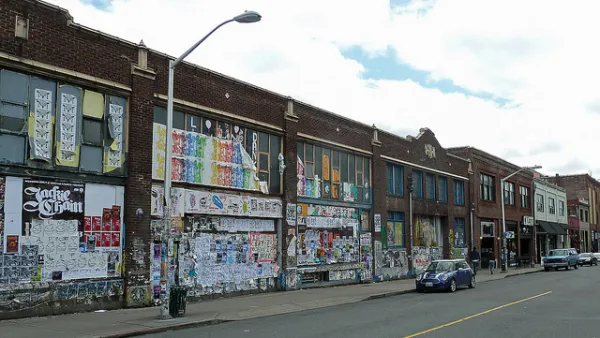
3 Strategies for Controlling Gentrification
Sandy Smith summarizes a recent "Gentrification, Integration, and Equity" event hosted by Next City in Philadelphia.
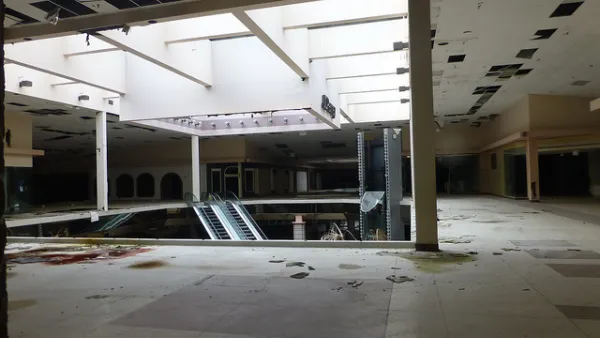
Life, Death, and Repurposing of the Great American Mall
A PBS Newshour economic correspondent visits the sites of former malls in Ohio and Massachusetts, some successfully repurposed, others in construction, and one in decay, speaking with economic experts along the way about the future of the mall.
The Promise of Renewal in Massachusetts Gateway Cities
Massachusetts is funding a placemaking initiative to renew its old industrial gateway cities. Available funds are only $16 million, but there's a plan to make the money go a long way.
'High Tech Highway' Emerging in Phoenix
In an area more known for retirement communities and fixed incomes—Phoenix's Easy Valley—corridor of high tech companies has emerged along the Loop 101.

The Coolest Buildings Aren't Green
Creating 'greener' buildings will help address climate change... right?
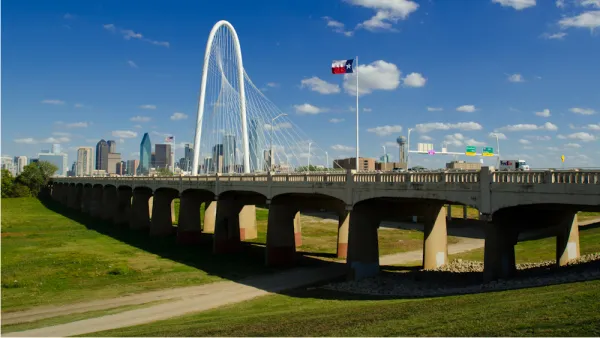
35 New Cities Named as 100 Resilient Cities Members
After its 2013 announcement of support for the first 33 of the 100 resilient cities, the Rockefeller Foundation has announced its next round of member cities: 35 cities, including six from the United States.
Designing Permeable Cities for Drought Resilience
Take a kayak trip on the Los Angeles River with KQED science reporter Amy Standen to understand why cities were built on the premise of endless potable water and how we can build cities sustainably in regions that receive low rainfall.
Food Deserts Won't be Quenched by Mobile Markets
While mobile food markets can bring healthy produce to neighborhoods without grocery stores, their current model for driving food around cities is not financially sustainable.
Eight 'PlacePlans' for Michigan Cities
The PlacePlans project—led by the Michigan Municipal League and the Michigan State University School of Planning, Design and Construction—recently released plans for placemaking efforts in eight Michigan communities.
El Paso Approves Second 'SmartCode' Development
The El Paso City Council approved a $100 million SmartCode development.
Los Angeles Arts District Residents Resisting Plans for More Density
The Arts District in Downtown Los Angeles has seen plenty of chic newcomers in recent years—high-end cafes, restaurants, and expensive lofts. But a recently revealed plan that would allow new, dense construction has sparked controversy.
How Images Shape our Understanding of Places
An article by Ben Campkin, Marina Mogilevich, and Rebecca Ross examines how images shape ideas about cities—from "John Snow’s Cholera map to Le Corbusier's plan for a contemporary city and Moose's 'clean graffiti.'"
Exposé: the $4 Billion World Trade Center Transportation Hub
Now that 1 World Trade Center has opened for business, more attention will go to another building with conspicuous civic purposes—the Oculus pavilion at the World Trade Center Transportation Hub.
2015: Year of the First-Time Homebuyer
New data released by online real estate marketplace Zillow suggests that 2015 will be a breakthrough year for first-time homebuyers.
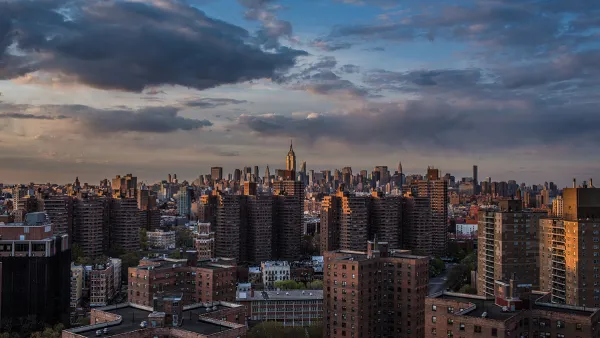
Interview: Edward Glaeser Makes the Case for Cities
In a lengthy discussion shared by Marquette University, author and Harvard Economics Professor Ed Glaeser lays out the thinking behind his book "Triumph of the City," as exemplified by cities around the country and the world.

Do Urban Neighborhoods Need Homeowners?
Alan Mallach describes the decline of and need for homeownership in urban neighborhoods.
On the Symbolism of Highway Protests
Freeways have a rare ability to symbolize both a mundane convenience and a bulwark of segregation. One columnist notes the powerful act of protesting racial injustice by closing freeways.

FREE Course: Walkable City 1: Why Walkability?
After describing his path towards focusing on walkability as the essence of good planning, Jeff Speck marches through his five principal reasons for making more walkable places.
Reinventing Malls: Planning Alchemy—Turning Gray Fields Into Gold
The course focuses on the opportunities and imperatives that shape reinvention of mall sites.

Eagle County Government
Harvard University Graduate School of Design
Nashville Planning Department
The Architects Foundation
University of Cincinnati Online
The Pocatello Development Authority
The Urban Renewal Agency of the City of Pocatello
Journal of the American Planning Association