Urban Development

Puerto Rico Braces for Direct Hit from Hurricane Maria on Wednesday
A second catastrophic hurricane is on track to devastate much of the Caribbean, barely two weeks after category five Hurricane Irma departed. In addition to Maria, a much weaker Hurricane Jose will affect the Mid-Atlantic and New England.
Amazon's Second HQ Poised for Smart Growth
Amazon's second headquarters is huge, and their bias for walkable places says they are going to do it all over again in a new city. However, maybe they should take the high road and not beg for subsidies.
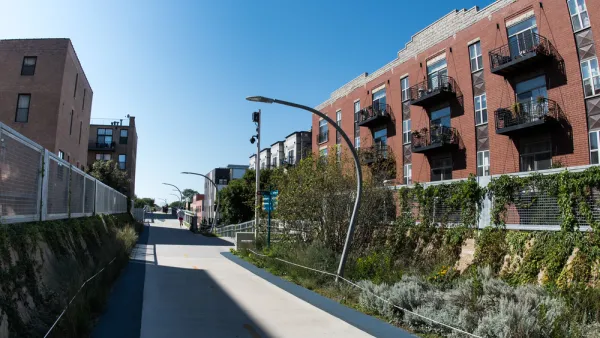
Sustainable for Whom? Large-Scale Urban Development Projects and 'Environmental Gentrification'
Large, adaptive-reuse projects are all the rage in urban planning today, but absent a fundamentally new approach—with affordability at the center of the process—they are likely to become engines of what's been termed "environmental gentrification."
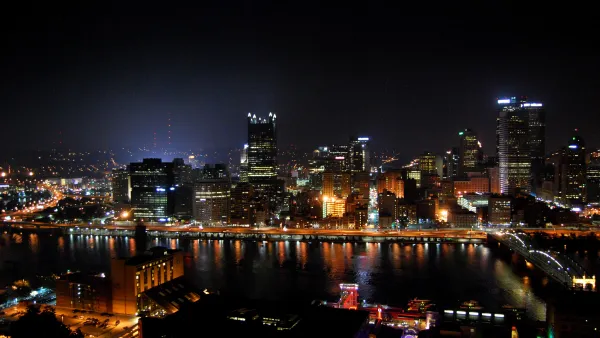
Report: How Pittsburgh Can Boost Its 'Innovation Economy'
A team of researchers at Brookings suggests ways for Pittsburgh to lock in its status as a hub of the next economy, leaving all talk of the "Rust Belt" behind.
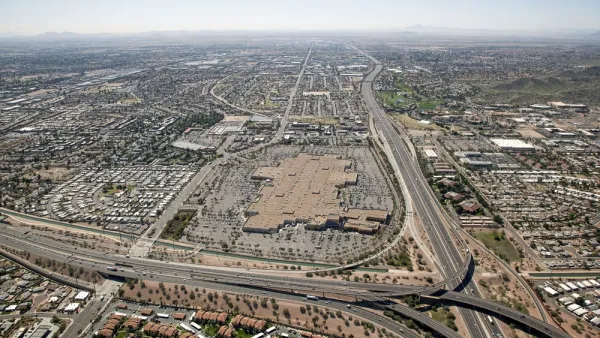
How Overly Restrictive Land Use Regulations Hurt the Nation's Economy
Two economics professors from the University of Chicago and the University of California, Berkeley argue that the housing crisis doesn't just affect booming coastal cities. It's a national problem.
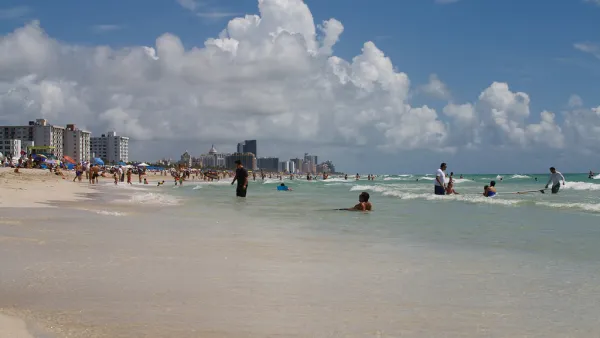
Miami Beach: A Four-Foot High Barrier Island Awaited Irma
A city of almost 92,000 people sits on a one-mile wide island designed by nature to protect the mainland from ocean swells, storms, and hurricanes. The seven-mile long island, which floods even when sunny, was spared from catastrophic storm surge.
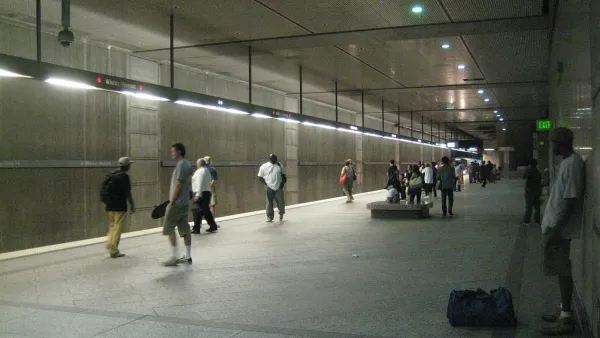
Luxury High-Rises Sprout Alongside Los Angeles' Expanding Subway
Los Angeles' extended Purple Line subway may very well spur an extension of the "linear downtown" along Wilshire Boulevard. Luxury high-rises are the most conspicuous new arrivals.
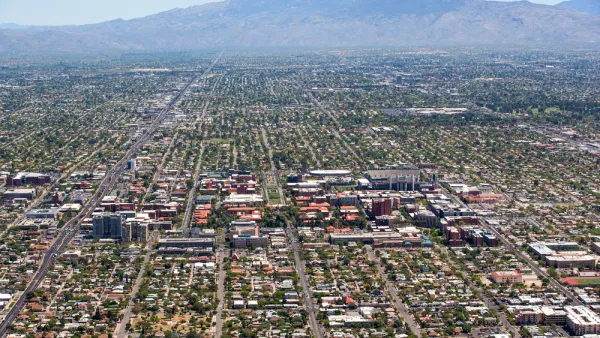
College Campuses Prepare for a Future Without Parking
Some college campuses need more parking than others, depending on commuting rates and walkable housing supply. Some campus planners are hoping, however, that soon all universities will need a lot less parking.

Amazon's Second HQ Poised for Smart Growth
With a second headquarters, Amazon is poised to expand its preference for walkable places into a new city. However, maybe the company should take the high road and not beg for subsidies.
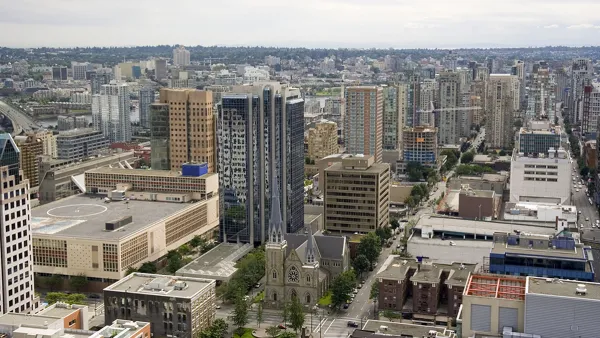
Building Along Busy Corridors? Public Health Experts Urge Caution
Plans to densify a busy Vancouver corridor have prompted concern among public health experts.
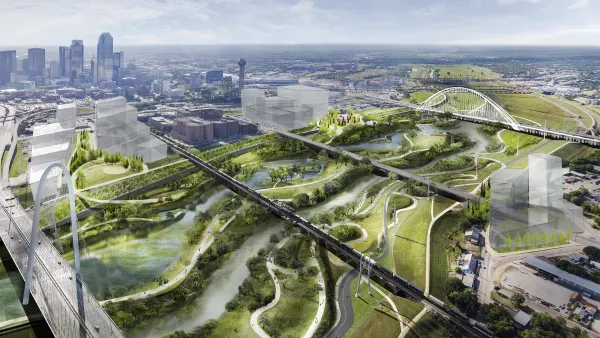
A Shifting Sense of Urban Design in Dallas
In an opinion piece, architecture critic Mark Lamster discusses the merits and deficiencies of recent Dallas developments. He praises a rising sense of "progressivism" in the city's design choices.
Innovation District Taking Shape in Downtown Erie
The city of Erie, Pennsylvania, lead by a $4 million grant to Mercyhurst University, is in the process of implementing the Downtown Innovation District.
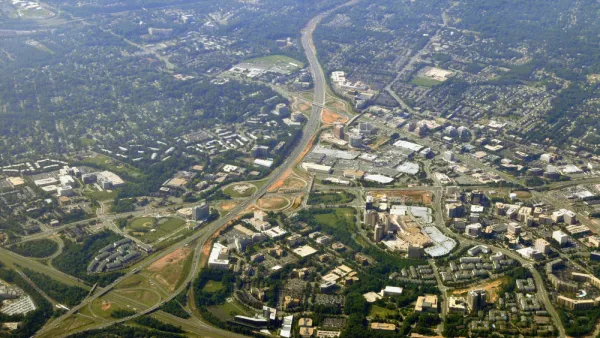
Northern Virginia Counties Not Happy With State Changes to Zoning Laws
Suburban housing construction has ground to a halt in Northern Virginia, according to county officials from the region, due to a law that changed the state's proffer system.
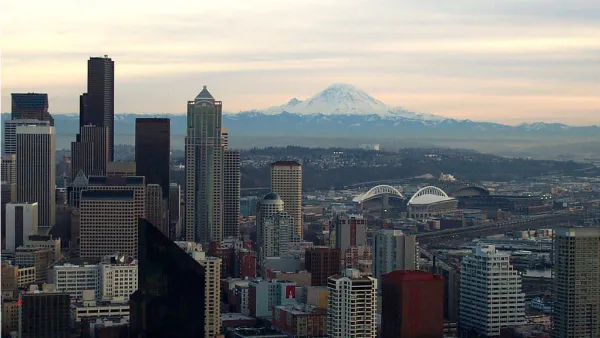
CNU Report Combats Suburban Poverty
The Puget Sound region provides a case study for the spread of poverty to suburban areas, and some region-specific recommendations for how to combat the challenges that result.
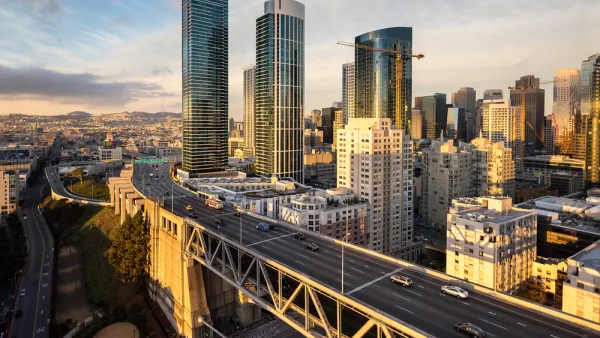
Considering the Street Level in San Francisco's New Urban District
In examining the question of whether a new high rise development in San Francisco achieves success at street level, John King picks up an age-old, but always relevant, debate.

Report: House Flippers, Not Subprime Loans, Were Responsible for the Housing Crash
According to a new study, richer borrowers drove the economy off the cliff in the housing crash of the Great Recession.
Opponents Want Less Development at S. Paul's Mega-Redevelopment Plan for the Ford Site
A master plan for the redevelopment of Ford's former Twin Cities Assembly Plant, set on 122 acres along the Mississippi River in St. Paul, is challenged by controversy.

The Pros and Cons of Concrete
A versatile building material with a long pedigree, concrete also has associations with ugliness and totalitarianism. Its reinforced variety, widely used today, can conceal a costly flaw.
How to Manage the Sprawl in Growing Megacities
Around the world, people continue to move toward urbanized areas in search of opportunity. Developing megacities and megaregions must plan ahead for the continued growth, according to Bloomberg.
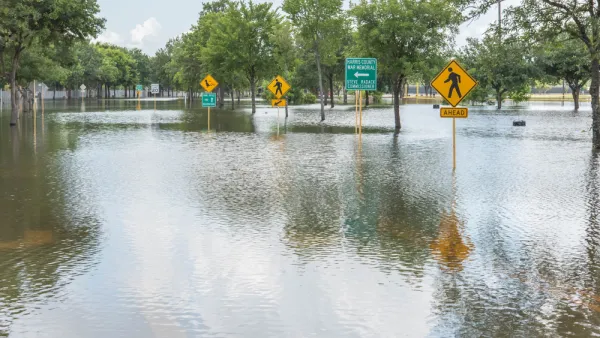
Houston Flooding: Climate Change or Development Patterns to Blame?
The Guardian's former environmental editor asks if urban sprawl is as much to blame as climate change for the flooding caused by Hurricane Harvey in Houston.

FREE Course: Walkable City 1: Why Walkability?
After describing his path towards focusing on walkability as the essence of good planning, Jeff Speck marches through his five principal reasons for making more walkable places.
Reinventing Malls: Planning Alchemy—Turning Gray Fields Into Gold
The course focuses on the opportunities and imperatives that shape reinvention of mall sites.

City of Rosemead
Rutgers University, Edward J. Bloustein School of Planning and Public Policy
One Hundred Miles
University of Michigan School for Environment and Sustainability (SEAS)
Hunter College, City University of New York (CUNY)
The Architects Foundation
City of Cambridge
Montrose County
The Pocatello Development Authority









