Urban Development

Evidence of Race's Role in Land Use Decisions
Analysis of a city's zoning and land use decisions over seven decades reveals the role race plays in decision making.
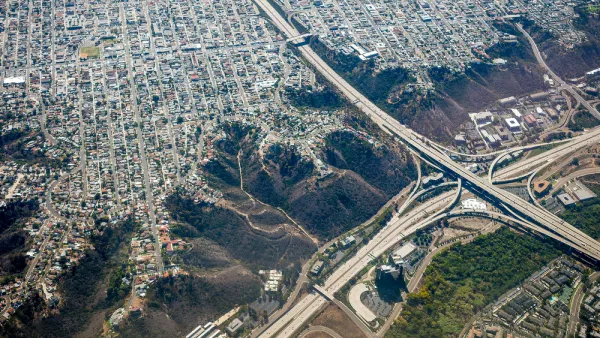
Carbon Offsets for Suburban Developments? The Courts Could Decide
The county of San Diego wants sprawling suburban developments to buy carbon offsets, billing the idea as a fix to the region's housing affordability crisis.
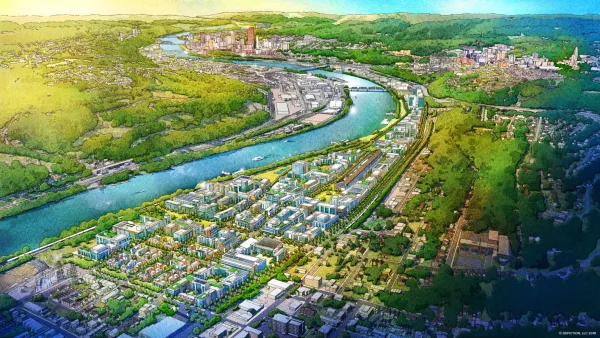
Hazelwood Green Mega-Project Taking Shape in Pittsburgh
A 178-acre parcel of land, a trio of powerful foundations as owners, and looming planning approvals—it's time to take a close look at Hazelwood Green.
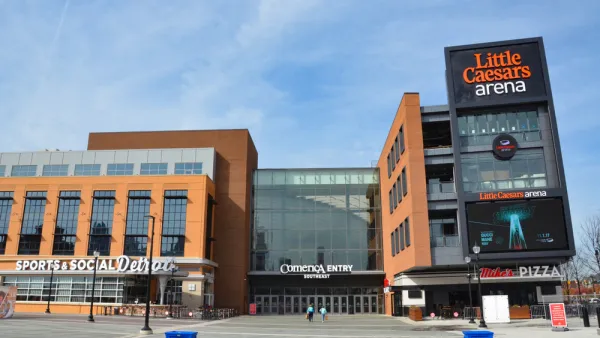
Parking Lot Snafu Corrected in the Detroit Zoning Code
One unclear illustration almost reaped a $1 million reward for the Illitch family, owners of the Little Caesars Arena, the Detroit Tigers, and the Detroit Red Wings.
Reducing Cities' Carbon Footprints
There is more than one way for a city to systematically reduce it carbon footprint.
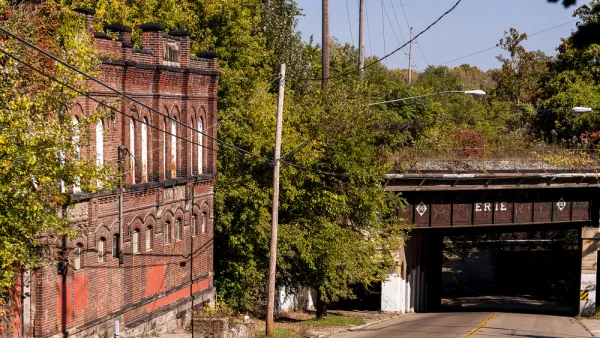
Optimism and Investment, Not 'Managed Decline," for the Rust Belt
Managed decline assumes that struggling cities will continue to struggle indefinitely. Is there a better way to plot neighborhood stabilization?
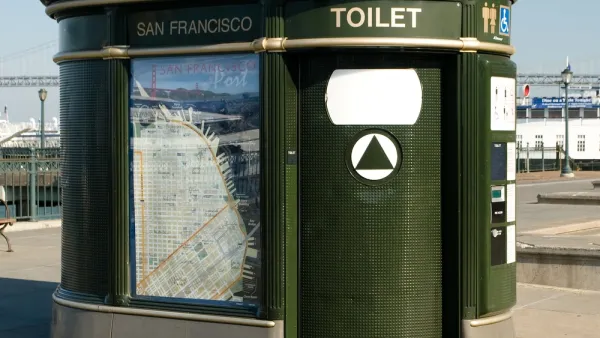
Futuristic Public Toilets Coming to San Francisco
San Francisco's street furniture predates Google, but the city hopes a new design will bring it into the Information Age.
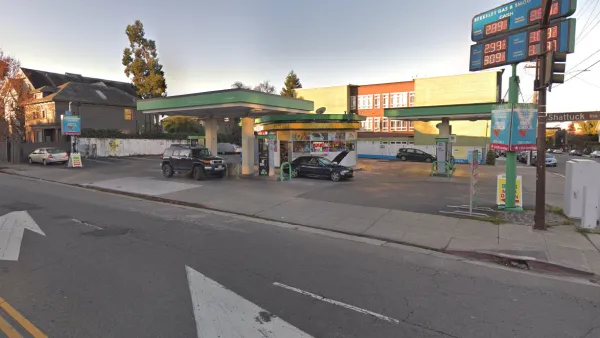
Berkeley Zoning Board Choose Current Gas Station Over Proposed Co-Housing Development
The Zoning Adjustments Board (ZAB) of one of the nation's most progressive cities has chosen a very conservative approach to new housing projects.

Review: A 'Football Oz' in North Texas
The Star, the corporate headquarters of the Dallas Cowboys, opened in 2017, but this week it finally got the architecture review treatment from an unflinching critic.

Density Battles Looming in Minneapolis
The public comment period for the draft Minneapolis 2040 Comprehensive Plan will wrap up soon. City council members are already responding to concerns from singe-family neighborhood residents about the density proposed in the plan.

Rent Dropping in Portland
The market is working, according to City Observatory's take on data finding declining rents in the city of Portland.
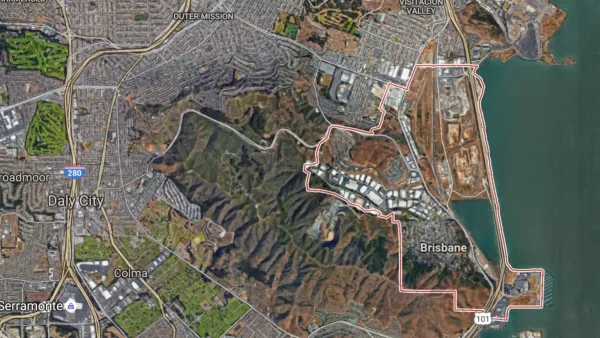
San Francisco Suburb to Vote on Massive Project to Double Population
Brisbane, a city of about 4,700 on the southern border of San Francisco, will vote on a controversial ballot measure in November to approve or reject a mixed-use development including up to 2,200 residential units on a 660-acre vacant brownfield.

Greening Vacant Lots Improves Depression
According to new reaearch, the power of green space where vacant lots previously stood includes mental health benefits, especially in low-income neighborhoods.

Zoning Didn't Stand a Chance Against the Economy in New York's Garment District
Zoning can only be so effective in holding off market forces, according to this column. New York City seems to have finally learned this lesson in the Garment District, but will it inform decisions in other parts of the city?
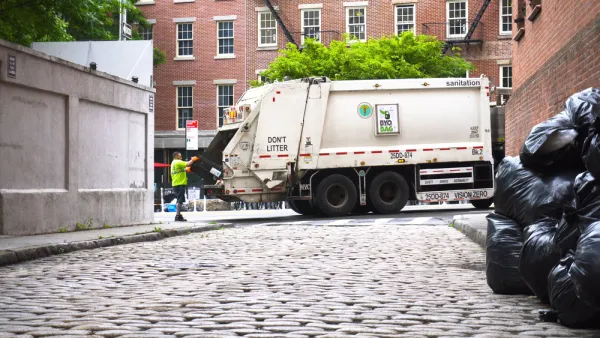
Haul Together
With New York City on the verge of reorganizing the private sanitation industry, union organizer Allan Henry connects the dots between street safety, worker rights, and environmental impacts.

Los Angeles (and Climate Change) Seriously Threaten Air Quality at Mono Lake
With water levels habitually low, officials from the Eastern Sierra say they are "headed for a showdown” with L.A.
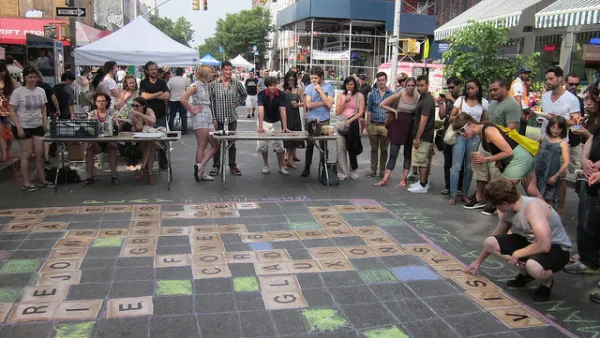
Debating the Qualities of a Changing New York
Is the gritty, diverse New York of yesteryear dying, vanishing, or otherwise ceasing to exist? Depends on who you ask and where you look.
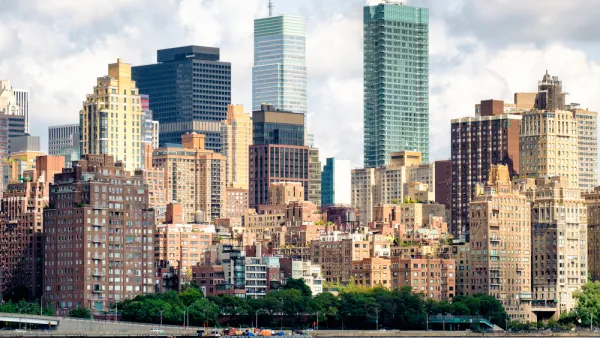
Editorial: To Fix Housing, Fix Land Use
The scales of land use regulations are tipped, according to this editorial. Balancing them will result in a more affordable city.
Attacking Auto-Dependency by Attacking Auto Subsidies
It's not the car but the driving subsidy that is responsible for many of the ills associated with auto dominance. Asking, "How do we get people out of cars?" is the wrong question, argues Joe Cortright, urban economist for City Observatory.
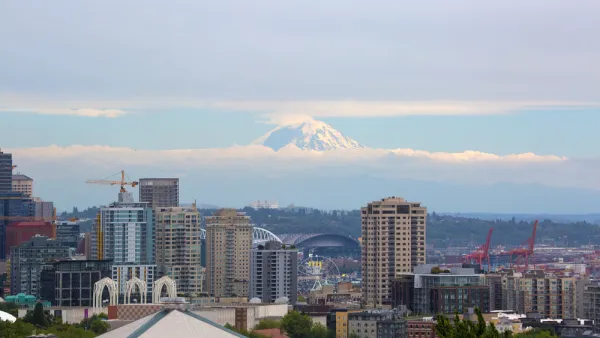
Construction Crane Capital of the United States: Seattle
Seattle has more construction cranes dotting the skyline than any city in the United States.

FREE Course: Walkable City 1: Why Walkability?
After describing his path towards focusing on walkability as the essence of good planning, Jeff Speck marches through his five principal reasons for making more walkable places.
Reinventing Malls: Planning Alchemy—Turning Gray Fields Into Gold
The course focuses on the opportunities and imperatives that shape reinvention of mall sites.

City of Rosemead
Rutgers University, Edward J. Bloustein School of Planning and Public Policy
One Hundred Miles
University of Michigan School for Environment and Sustainability (SEAS)
Hunter College, City University of New York (CUNY)
The Architects Foundation
City of Cambridge
Montrose County
The Pocatello Development Authority









