According to new reaearch, the power of green space where vacant lots previously stood includes mental health benefits, especially in low-income neighborhoods.


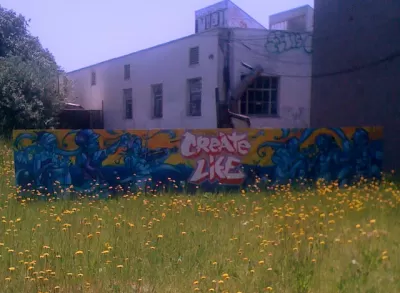
Rhitu Charterjee shares news of a new study that finds evidence of the benefit of converting vacant land to green space for mental health in the nearby community.
Researchers from the University of Pennsylvania, Rutgers University, Columbia University, and the U.S. Department of Agriculture published the study in JAMA Network Open and found "that having access to even small green spaces can reduce symptoms of depression for people who live near them, especially in low-income neighborhoods."
As explained in the article, the study used an innovative methodology, more like that of a drug trial, to reveal its findings.
The study focused on Philadelphia, which has an estimated 40,000 vacant lots scattered around the city but concentrated in certain neighborhoods.
Read the full story: Replacing Vacant Lots With Green Spaces Can Ease Depression In Urban Communities

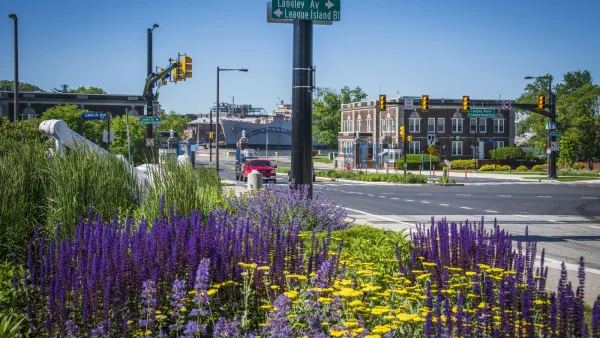
Philadelphia sees 29% drop in gun violence near new green spaces
A city-backed program that cleans up blighted and vacant lots is creating new public spaces and reducing crime in surrounding communities.
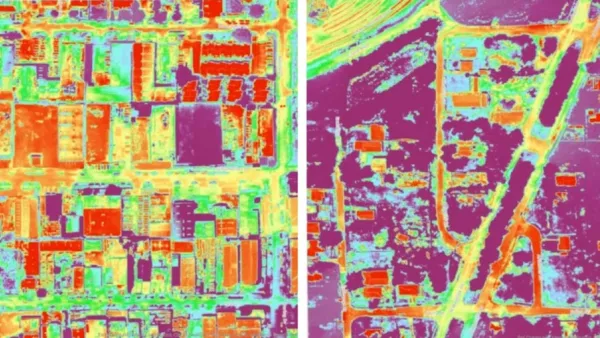
Study: Houston’s Vacant Lots Worsen Heat Island Effect
Paved lots and abandoned buildings can raise surrounding surface temperatures as much as 20 degrees, according to a new study.
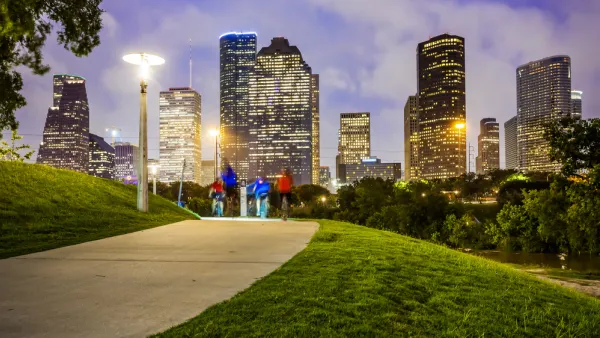
Houston Residents Want to Build Pocket Parks on City-Owned Lots
In a park-poor neighborhood, vacant lots provide an untapped opportunity for small-scale parks.

Planetizen Federal Action Tracker
A weekly monitor of how Trump’s orders and actions are impacting planners and planning in America.

Amtrak, CN end decades-long dispute with eight-year agreement
The new operating agreement establishes an updated framework for the companies to work together, including processes to resolve disputes.
Nation's most wind-powered state turns to coal as data centers increase energy demand
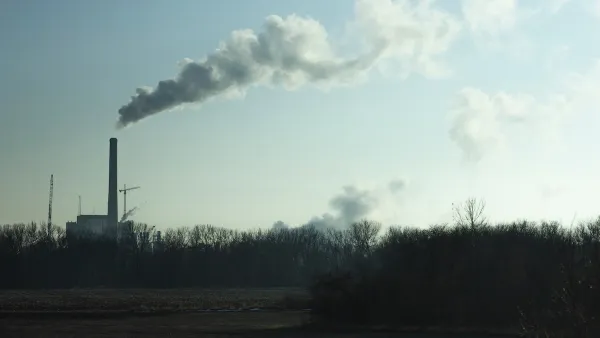
For the first time in decades, Iowa has increased its generation of coal power.

Alabama scores up to $2.5 billion federal loan for largest infrastructure project in state’s history
The Mobile River Bridge and Bayway Project aims to ease congestion at Alabama’s worst bottleneck.

Trump is considering data centers on 6 states' public land — some state officials say they had no idea
If the administration approves the proposed projects, data center and data center-related developments will cover 17,600 acres of public land.

Despite court ruling, Trump is keeping nearly all wind projects in the US on hold
At least 110 wind energy projects have not heard from the government since a federal judge ruled that the Trump administration's freeze on wind turbine clearances was likely illegal.

FREE Course: Walkable City 1: Why Walkability?
After describing his path towards focusing on walkability as the essence of good planning, Jeff Speck marches through his five principal reasons for making more walkable places.
Reinventing Malls: Planning Alchemy—Turning Gray Fields Into Gold
The course focuses on the opportunities and imperatives that shape reinvention of mall sites.

KFH Group Inc.
Greater Baltimore Committee
Eagle County Government
The Architects Foundation
University of Cincinnati Online
The Pocatello Development Authority
The Urban Renewal Agency of the City of Pocatello