Urban Development
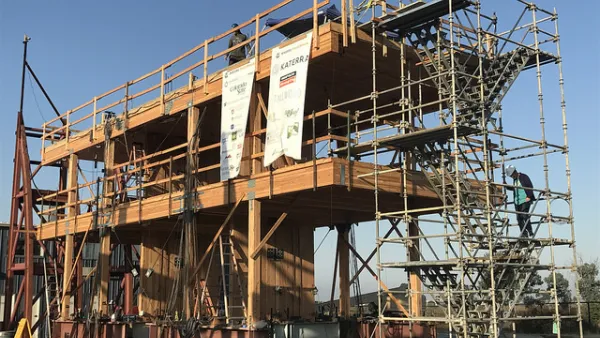
Proposed Mass Timber High-Rise In Seattle Adds Six Stories
A proposal for the development of a mass timber high-rise in First Hill is under community review in Seattle. The project, which adjusted plans to add an additional 6 floors, proposes the tallest mass timber building in Seattle.
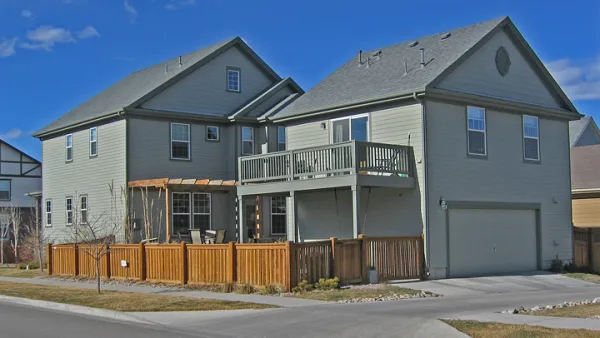
ADU Ordinance Ready for City Council Scrutiny in Chicago
Chicago residents will have the option of building coach houses or convection units if a new law passes as written through the Chicago City Council.

New Ideas in Urban Research
Findings from graduating doctoral students undertaking urban-related research.
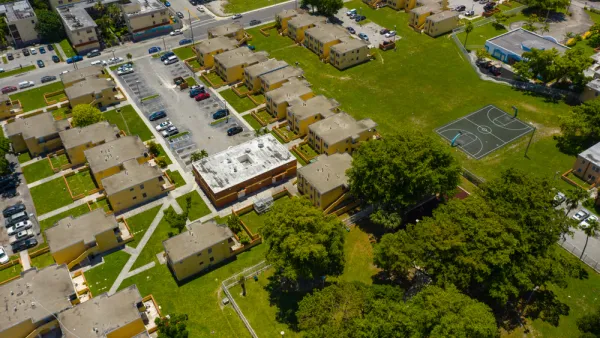
1,000-Plus Mixed-Income Units Planned in Miami
A planned development made possible by a ground lease with the county could add over a thousands mixed income units to the housing market in Miami.
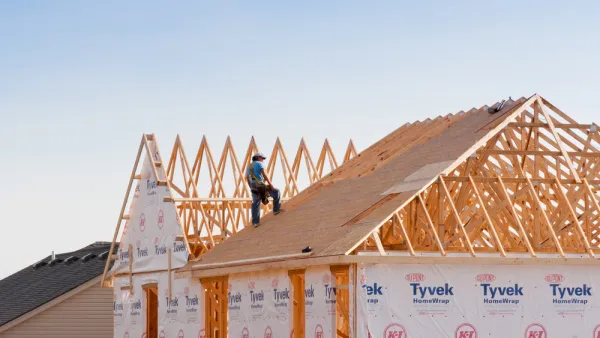
'Built-to-Rent' Industry Attracts Koch Investment
Koch Industries has reportedly bought a major stake in the "build-to-rent" business of Amherst Holdings, a Texas-based single-family rental company.

Citywide Elimination of Parking Minimums on Track in Edmonton
Edmonton, Alberta could be the first major Canadian city to eliminate parking minimums citywide—an ambitious and notable step for all North American cities.
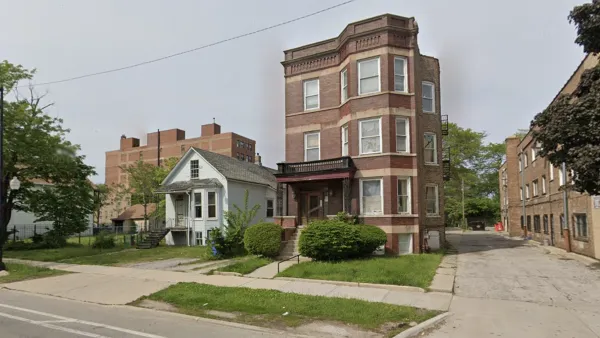
Kanye West Makes More Permitting Trouble in Chicago
Kanye West is renovating his childhood home on the South Side of Chicago, but hasn't always had the permits to do the work until after the fact.
In Planning, Reality Can Be Worse Than Fiction
The Showtime Series Penny Dreadful portrays a bleak vision of 1940s Los Angeles. But, unencumbered by regulations and zoning laws, it also displays what great urban neighborhoods can look like.

Visualizing the Coronavirus Pandemic
Mapping of the crisis is producing a fascinating and important trove of cartographic records.
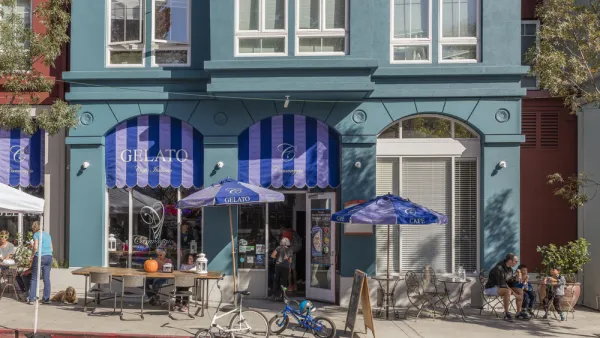
Berkeley Could Redefine the Al Fresco Streets Movement
The city of Berkeley is pursuing an aggressive plan to open the streets for outdoor dining as an economic development tool for local commercial businesses.

Pandemic a Call to Arms for Planners
The pandemic has raised alarms about density. Post-pandemic, urban planners should fight more passionately than ever for progressive principles that make cities more equitable, pleasant, and, yes, healthy.

Fostering a 'Green Economic Recovery' in Post-Coronavirus Cities
Cities around the world are putting sustainability and climate change at the forefront of economic recovery plans.
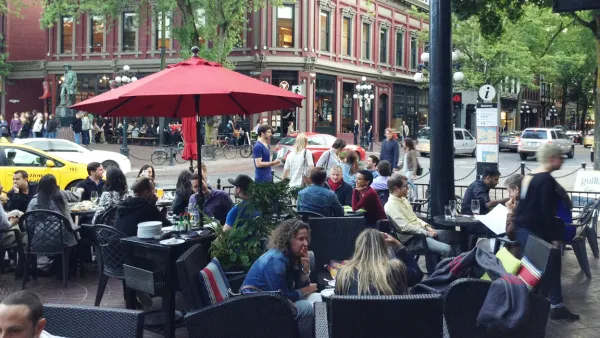
How Zoning Reform Can Help Businesses Transition to Outdoor Operations
A trend toward allowing restaurants and retailers to expand operations to the public realm outside their brick and mortar confines is quickly gaining steam.
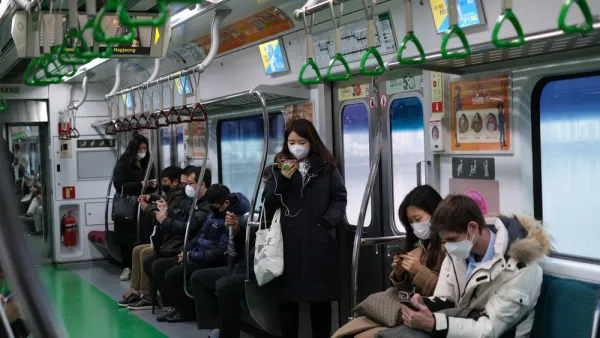
Predicting the Future of Cities After the Pandemic
Two more stories to enter into the archive for the great debate of the coronavirus pandemic: How will the public health crisis change the future of cities?
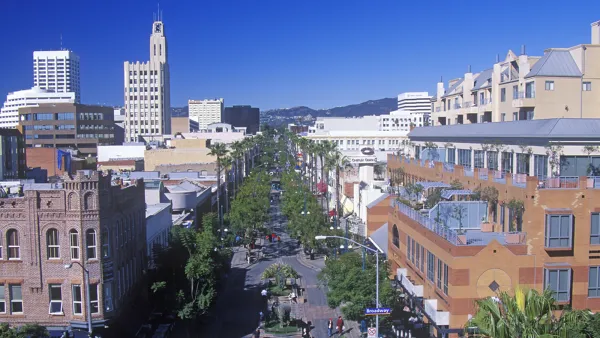
Reforms Would Ease Approvals Process for Downtown Developments in Santa Monica
The city of Santa Monica will consider approvals process changes that will make it easier to entitle the largest projects allowed under zoning for the city's downtown.
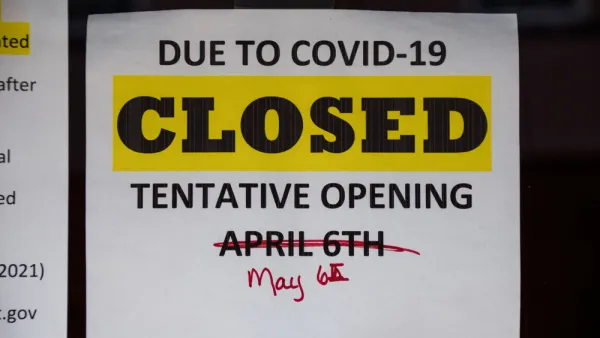
Scenario Planning for Pandemic Recovery
The planner who wrote the book on the emerging practice of scenario planning offers advice on how the tool can be helpful in planning for the pandemic.
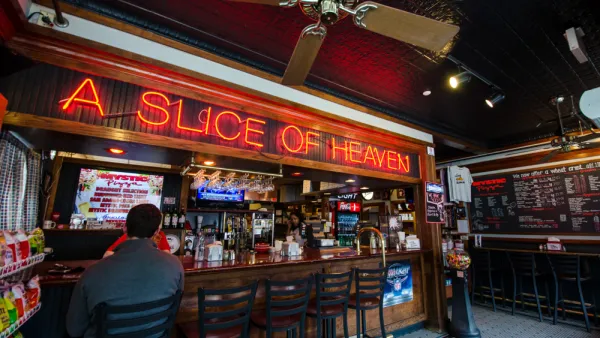
Minimum Parking Requirements Lifted to Support Outdoor Dining in Connecticut
Connecticut Governor Ned Lamont included an historic measure in a May 10 executive order: statewide suspension of parking minimums to facilitate outdoor activities.

Housing Costs More Than a Matter of Supply and Demand
Does new market rate housing increase the average cost of housing, by inducing demand, or does it help stabilize the housing market by offering new supply? The debate continues in San Francisco.
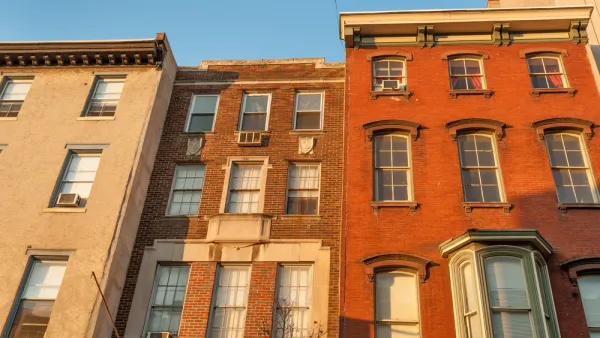
Opinion: Less Restrictive Zoning Necessary for Urban Areas to Lead Recovery
An opinion piece makes the case for pro-development urban planning as a tool of economic recovery.
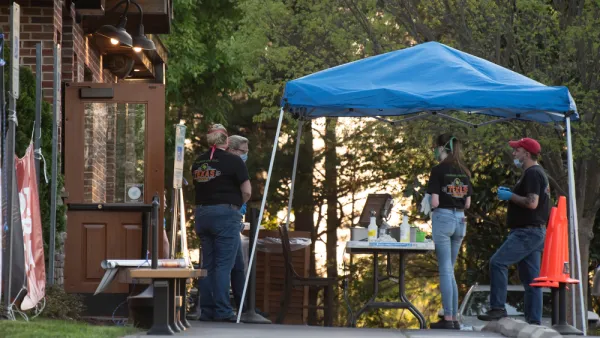
Lessons from the Pandemic: Housing, Retail, Broadband
Second in a series of conversations about what comes next in local government policies and processes, this time between Geoff Koski and Ben Brown on housing, retail, and broadband

FREE Course: Walkable City 1: Why Walkability?
After describing his path towards focusing on walkability as the essence of good planning, Jeff Speck marches through his five principal reasons for making more walkable places.
Reinventing Malls: Planning Alchemy—Turning Gray Fields Into Gold
The course focuses on the opportunities and imperatives that shape reinvention of mall sites.

City of Rosemead
Rutgers University, Edward J. Bloustein School of Planning and Public Policy
One Hundred Miles
University of Michigan School for Environment and Sustainability (SEAS)
Hunter College, City University of New York (CUNY)
The Architects Foundation
City of Cambridge
Montrose County
The Pocatello Development Authority









