Urban Development
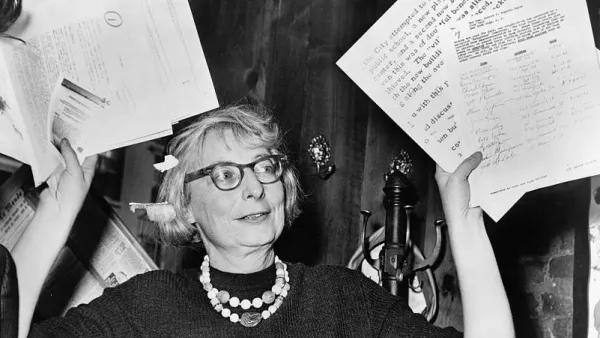
Deconstructing Saint Jane
The iconic urban thinker has influenced generations of planners, but how do her ideas hold up in an age of massive upheaval and economic inequality?
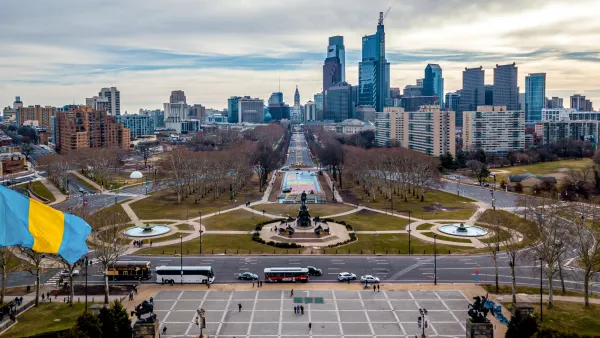
Philadelphia Seeks Proposals to Pedestrianize Ben Franklin Parkway
The city hopes for "transformative" solutions to reinvigorate the auto-centric parkway and create safer paths for people walking and biking.
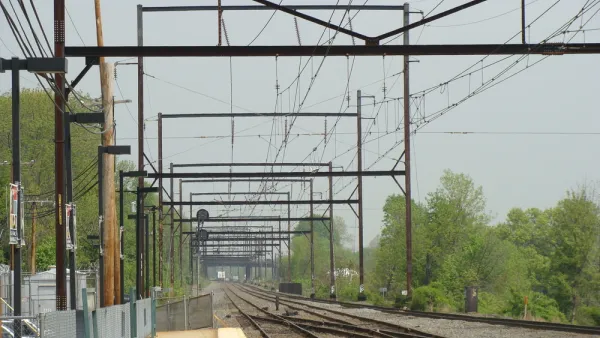
Transit Agencies Look to Land Development to Increase Revenue
With ridership revenue down, agencies seek to diversify their revenue stream by taking a more active role in developing agency-owned land.
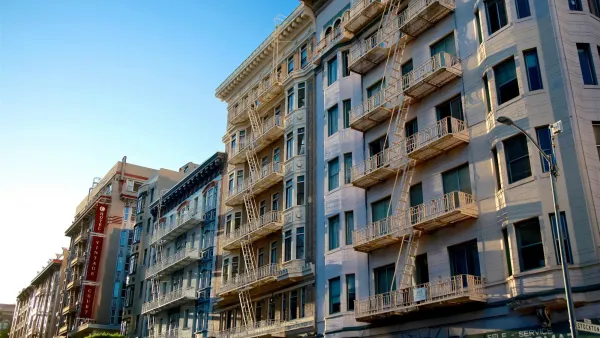
What Is Inclusionary Zoning?
Inclusionary zoning refers to a range of policies and practices that mandate or provide incentives for the inclusion of affordable housing units in new developments to encourage mixed-income neighborhoods and increase the supply of affordable housing.
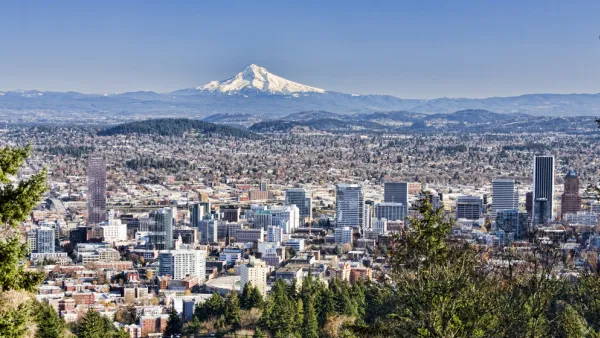
Portland's Inclusionary Zoning Effect Measured, Criticized
It's been over four years since the city of Portland implemented an inclusionary zoning policy that required all new apartment developments to set aside a portion of units for low- and moderate-income housing.

Industry Wins a Round Over Building Efficiency Requirements
New regulations prohibit cities from enacting stricter efficiency standards in new buildings.
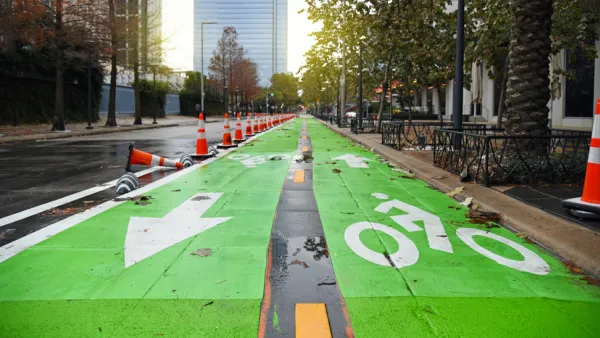
Visions of the Future Houston
An ongoing exhibition in Houston imagines a city on the cusp of a new, more prosperous future.
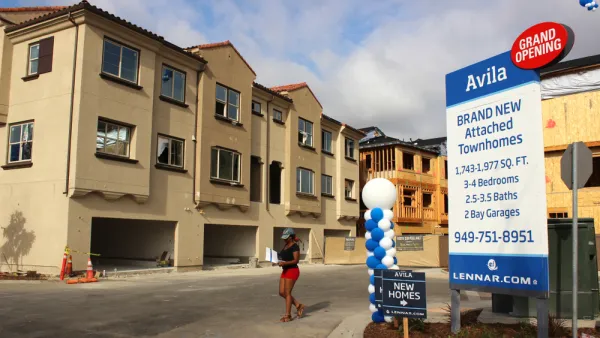
Local Solutions for Housing Affordability
The Lincoln Institute of Land Policy recently published a report to identify local government actions to ensure stable and affordable places to live for everyone.
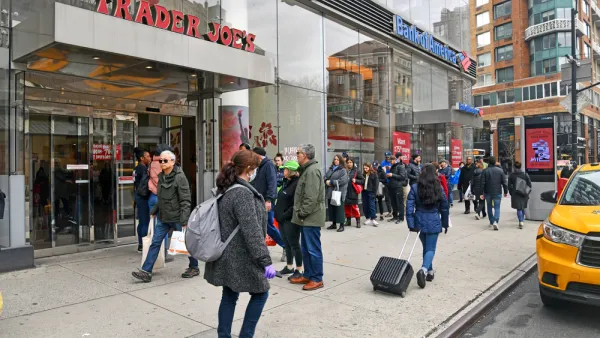
New Zoning Incentives for Grocery Store Developments Proposed in New York City
Transit accessibility incentives are also included in a package of zoning reforms proposed this week that would provide incentives for grocery store developments in a wider swath of New York City.
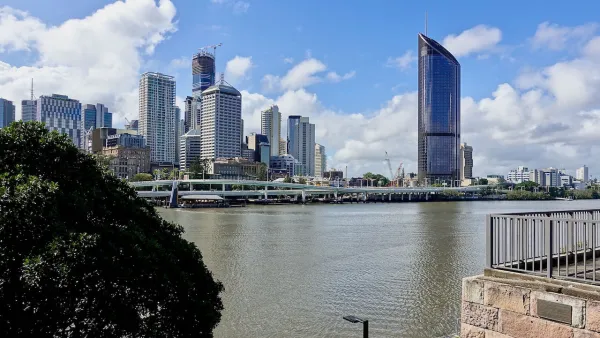
Unlocking the City with Context Keys
The human memory is so powerful that a place on pavement suddenly can trigger a stream of imagery from the distant past, or a meaningful story of something that once happened there. We should champion such keys to the context of a place.
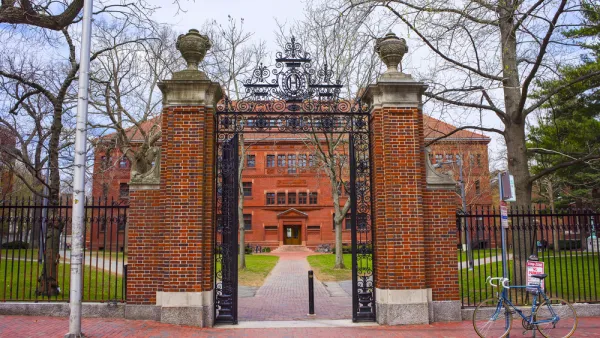
Bloomberg Funds New 'Center for Cities' at Harvard
The $150-million endowment will expand the Bloomberg Harvard City Leadership Initiative and develop capacity-building programs for mayors and city leaders.
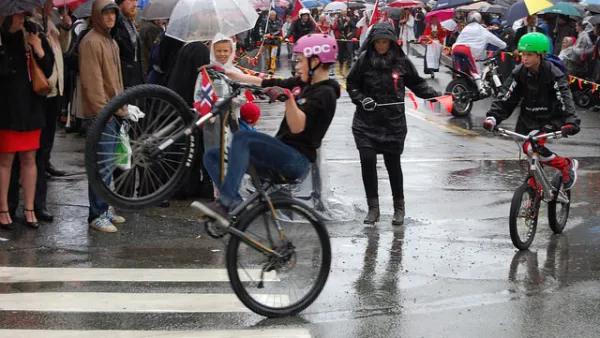
Planning Communities for Children and Families
Child in the City asks “If you could see the city from an elevation of 95 cm, what would you do differently?” It provides a toolbox of specific policies and planning practices for creating more child-friendly communities.
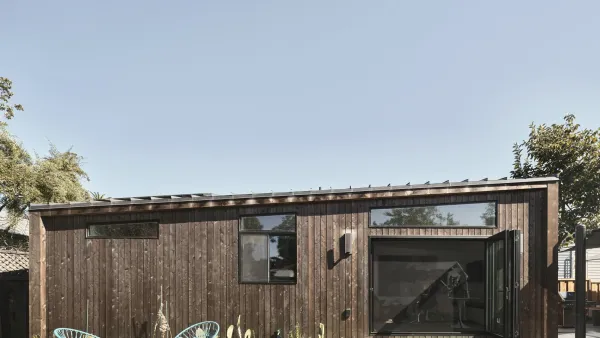
Los Angeles Streamlines ADU Permits with High-Design Templates
Los Angeles' ADU Standard Plan Program will offer homeowners a set of pre-approved designs that will save them time and money.
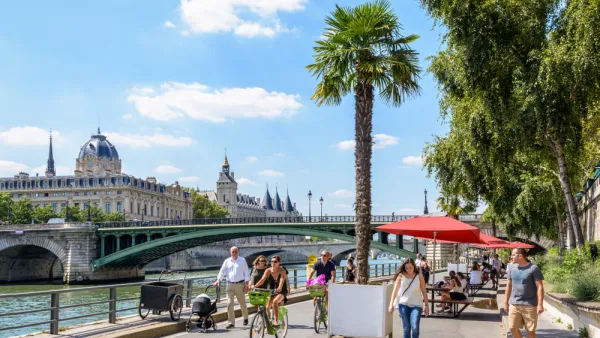
The Pitfalls of the 15-Minute City
The concept, touted as "hyper-local," can fail to take into account local conditions and historical inequities in American cities.
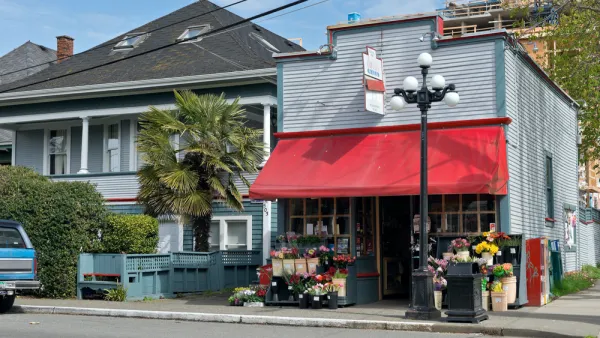
Home-Based Businesses Could Save the Post-Pandemic Economy
Seattle's city council considers reducing 'arbitrary' and 'exclusionary' limits on home-based businesses.
Upzoning Catches on in California
Eliminating single-family zoning and other exclusionary ordinances could have major impacts on housing in some of the country's most unaffordable cities.

Massive Transit-Oriented Office Complex Takes Shape in Atlanta
The State Farm regional hub will house more than 8,500 employees and provide access to public transit and local amenities.
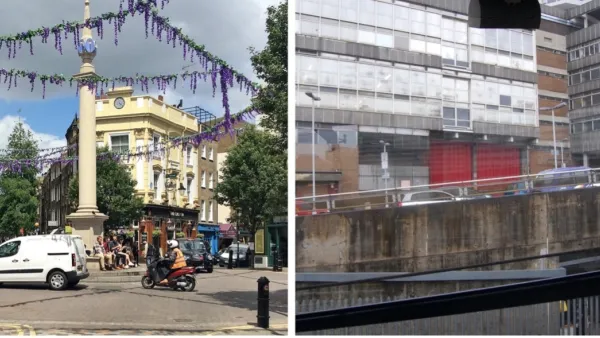
The Surprisingly Important Role of Symmetry in Healthy Places
New research suggests there might be a "symmetry deficit disorder" in today's built environments, with significant impacts on health, well-being, and even sustainability.
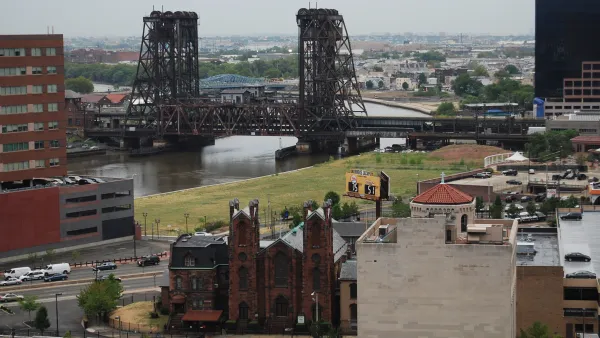
Newark Launches Land Bank to Revive Long-Vacant Properties
The land bank will assess proposals for the sale and redevelopment of 100 city-owned properties in neglected neighborhoods.
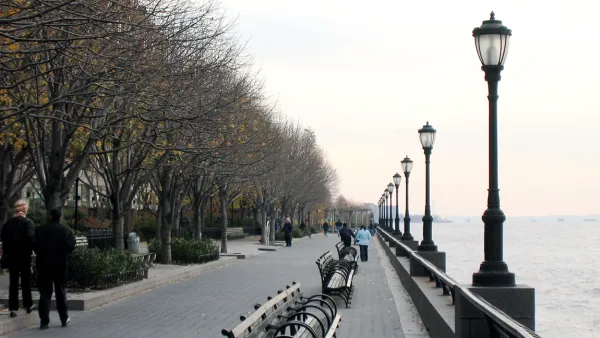
Meet Some of New York City's Newest Parks
In a city where density is everything, these park projects make creative use of existing public spaces—and, in some cases, create their own.

FREE Course: Walkable City 1: Why Walkability?
After describing his path towards focusing on walkability as the essence of good planning, Jeff Speck marches through his five principal reasons for making more walkable places.
Reinventing Malls: Planning Alchemy—Turning Gray Fields Into Gold
The course focuses on the opportunities and imperatives that shape reinvention of mall sites.

City of Rosemead
Rutgers University, Edward J. Bloustein School of Planning and Public Policy
One Hundred Miles
University of Michigan School for Environment and Sustainability (SEAS)
Hunter College, City University of New York (CUNY)
The Architects Foundation
City of Cambridge
Montrose County
The Pocatello Development Authority









