Urban Development

3D-Printed Neighborhood Coming to the California Desert
The developer of the 15-home community claims they will produce homes with a tenth of the waste of traditional construction in record time.
As Luxury Rents Drop, Low-Income Tenants Pay More
With increasing pressure on the nation's supply of affordable housing, low- and middle-income renters are seeing their rents go up while higher-quality apartments drop prices to lure back remote workers.
Revised Requirements for Sidewalks and Bike Lanes at MassDOT
The new guidelines call for pedestrian and bike infrastructure as part of the design of new state-run projects.
Five Principles for Good Infrastructure
American policymakers could improve the effectiveness of infrastructure projects by focusing on five key elements.
Dan Gilbert Announces $500 Million Investment in Detroit Neighborhoods
Dan Gilbert, the billionaire credited with the revitalization of development interest in and around Downtown Detroit, made a bombshell announcement in his first in-depth interview since suffering a stroke in 2019.
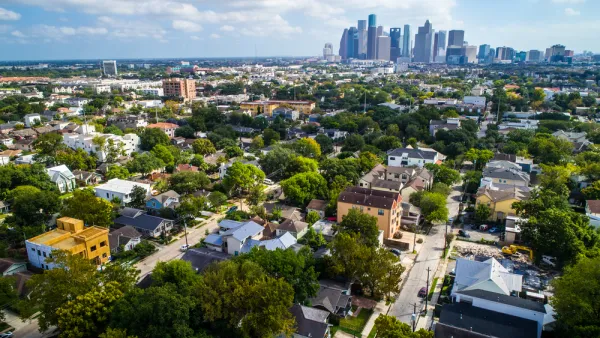
A New Metropolitan Blueprint for Texas
Traditionally associated with its wide-open spaces, Texas is now, undeniably, defined by the cities and suburbs that comprise its built environment.

Opinion: America's Infrastructure Doesn't Need a Federal Spending 'Binge'
Despite alarming claims about the nation's roads and bridges, a column in the Chicago Tribune argues that the administration's proposed infrastructure spending doesn't match actual needs.
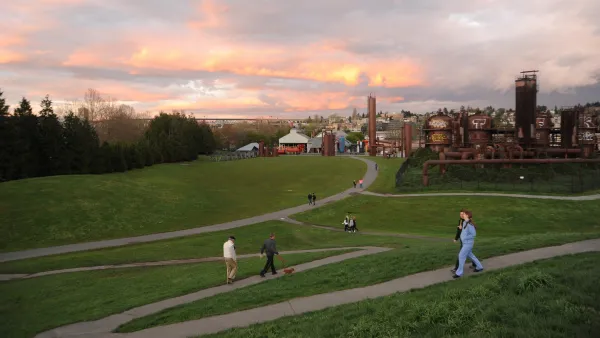
Seattle's 'Electrification Blueprint' Sets Ambitious Goals
The city's new transportation plan focuses on eliminating carbon emissions in its transportation sector, reducing congestion, and boosting public transit.
A Critical Review of "Sick City: Disease, Race, Inequality and Urban Land"
Patrick Condon's new book, "Sick City: Disease, Race, Inequality and Urban Land" recommends tax reforms and housing subsidies to create more affordable and inclusive communities. It is attractive propaganda that deserves critical analysis.

What Is Floor Area Ratio?
Floor area ratio (FAR) is a critical measurement to the field of planning. FAR defines development intensity and determines numerous other regulations and development outcomes.
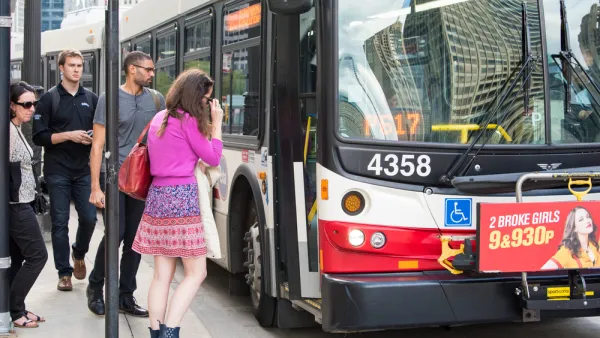
For Better Transit: Fund Buses
Despite a preference among policymakers for high-tech transit solutions, the humble bus, with the right infrastructure and funding, has the potential to be the heart of a comprehensive, reliable, and cost-effective transit system.

Zoning Revision Process Hits Snags in Philadelphia
A pair of advocates criticize recent actions to slow zoning revisions in the city of Philadelphia.

'Housing Supply and Affordability Act' Offers $1.5 Billion in Grants for Development-Friendly Zoning Reforms
The Housing Supply and Affordability Act would be a major victory for the YIMBY cause.
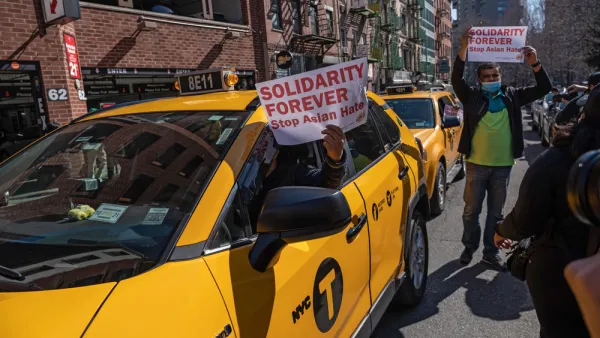
'Never Let a Good Crisis Go to Waste' and Planning in the Pandemic
The latest in a series of compendia collecting news and commentary focusing on the complexities of the COVID-19 pandemic's effect on communities.
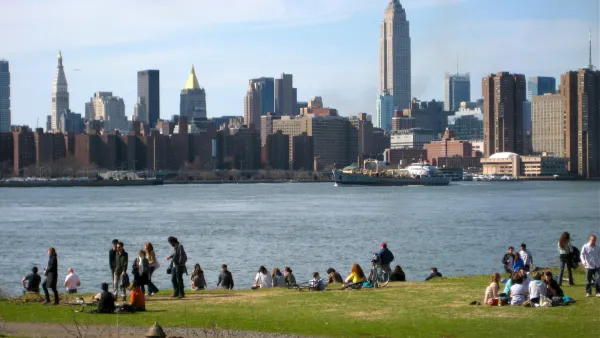
Brooklyn Waterfront Development Unveils Revised Design
The massive River Ring Waterfront Master Plan includes two towers containing 1,050 residential units, a three-acre beach, and 5,000 square feet of community kiosks.
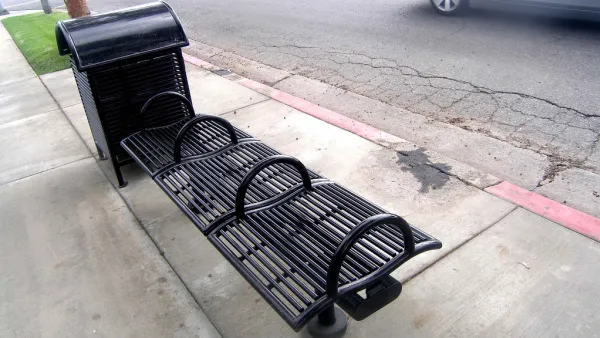
Philadelphia Park Designed for, not Against, People Experiencing Homelessness
In an effort to make public spaces more inclusive, a new pocket park in the Callowhill neighborhood will seek input from people experiencing homelessness on how to make the space more welcoming and functional.
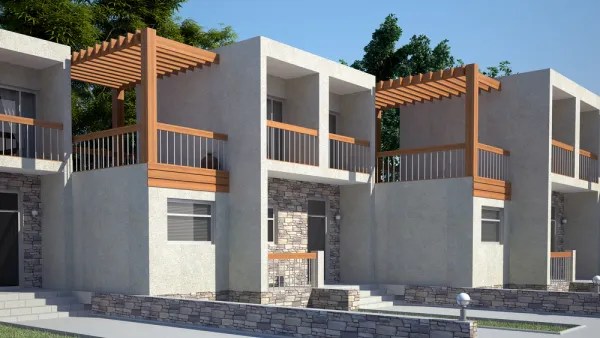
Opinion: Western Towns Need More Density, Not More Sprawl
To fix the housing crisis, cities should focus on "missing middle housing" and multi-family development.

Research Shows Urban Trees Stave off Depression
A new study shows that regular exposure to trees and green spaces has a powerful impact on depression and mental health.
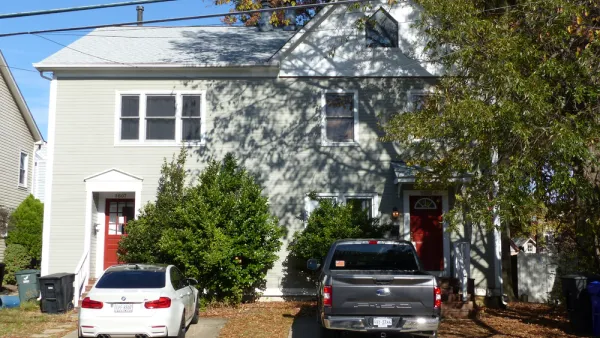
Tacoma Plan Would Eliminate Single-Family Zoning in Favor of 'Missing Middle' Housing
If implemented, Home in Tacoma would create new housing categories to encourage more multi-family buildings.

Norfolk Plans for Resilience in the Face of Climate Change
The Ohio Creek Watershed Project aims to protect the city's coastline and prepare for future sea level rise.

FREE Course: Walkable City 1: Why Walkability?
After describing his path towards focusing on walkability as the essence of good planning, Jeff Speck marches through his five principal reasons for making more walkable places.
Reinventing Malls: Planning Alchemy—Turning Gray Fields Into Gold
The course focuses on the opportunities and imperatives that shape reinvention of mall sites.

City of Rosemead
Rutgers University, Edward J. Bloustein School of Planning and Public Policy
One Hundred Miles
University of Michigan School for Environment and Sustainability (SEAS)
Hunter College, City University of New York (CUNY)
The Architects Foundation
City of Cambridge
Montrose County
The Pocatello Development Authority









