Urban Development

100 Percent Affordable Overlay: Next Up for Berkeley's Reform Movement
After moving forward with parking and zoning reforms, the Berkeley City Council is also considering a new Affordable Housing Overlay on a model previously adopted in Cambridge, Massachusetts.

Zoning Reform Skepticism
Ending single-family zoning, as more cities around the United States have begun to do, is too extreme a response to contemporary planning challenges, according to a recent opinion piece published by the East Bay Times.

Portland had an 'Unusual and Tragic' Year for Traffic Deaths
The Portland Bureau of Transportation's annual traffic crash report highlights the city's slow progress towards its Vision Zero goal.
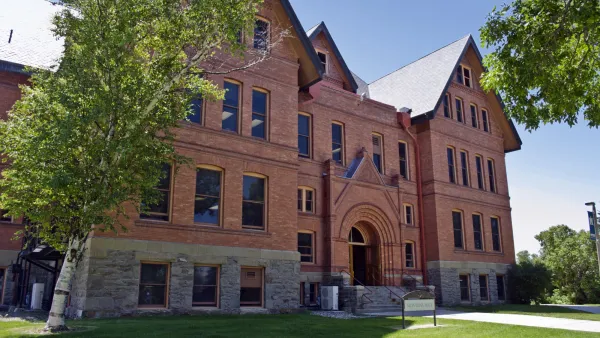
Bozeman's 'Only Racially Diverse Neighborhood' at Risk
Thanks in part to an influx of remote workers, the Montana town faces soaring housing costs and practically non-existent vacancy rates.
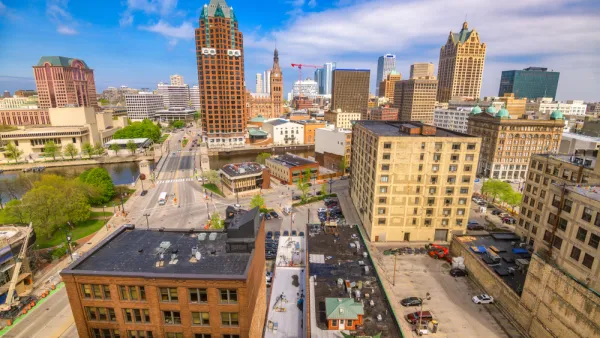
Downtown Milwaukee Area Plan Update Kicks Off
Billions of dollars in investment and thousands of new residential units later, Milwaukee is ready to update the plan for its downtown.
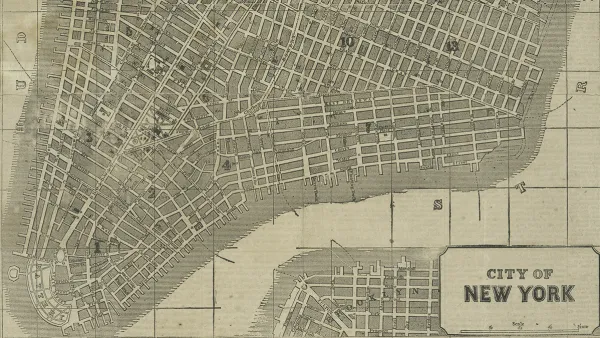
New York City Aims for Comprehensive Long-Range Planning
The city's proposed comprehensive planning bill could create a more equitable and collaborative planning process
The Need for Social Housing in Seattle
Seattle trails international peer cities in its social housing stock, but there are steps city leaders can take to produce more units and increase affordability.

Comprehensive Plan Update Stokes Controversy in D.C.
Complex political dynamics are mustering for a showdown over D.C.'s comprehensive plan.

New Healthy Regions Planning Exchange Targets Health Inequities
A new Regional Plan Association initiative is assessing potential solutions to historic inequities in planning policy.
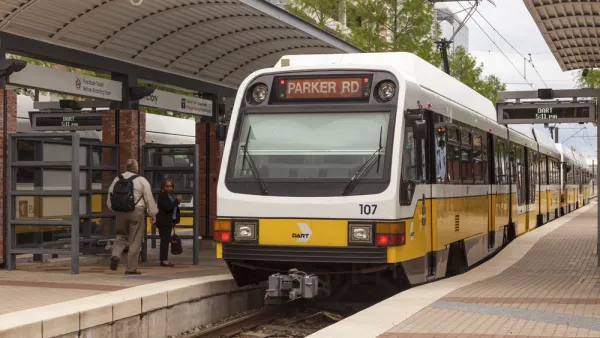
Dallas Council Begrudgingly Keeps Downtown Streetcar Alive
Council members complain that the Oak Cliff Streetcar is a "vanity project" that drains money from other potential transit improvements.
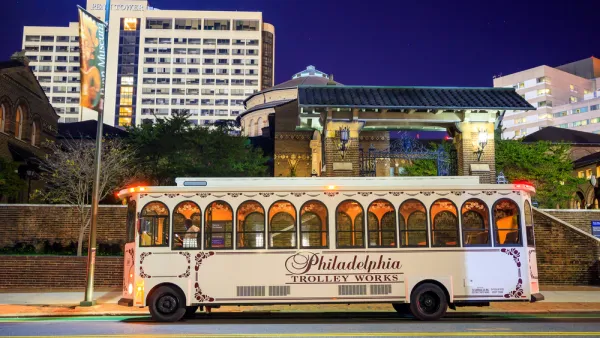
Philadelphia Leaders Dream Big With New Transit Plan
The plan, which looks more than two decades into the future, seeks to modernize the city's transit system, address inequities, and improve regional connectivity.
Two Stories From 2020: Which Is True?
Have all cities lost people due to COVID-19, or just a few high-cost ones?

10,000 Cities—and Counting
A novel approach to quantifying the world's urban population provides insight into a changing world.
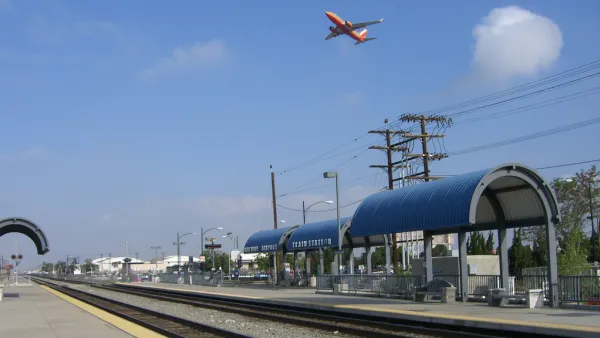
Noise Pollution Harms the Heart, Too
New research shows that excessive noise levels have significant negative impacts on heart health.

Washington State Considering New Gas Tax, Transit and Bike Fees
The state legislature is weighing three proposals that seek to fund improvements to aging infrastructure and upgrade the state's transportation network.
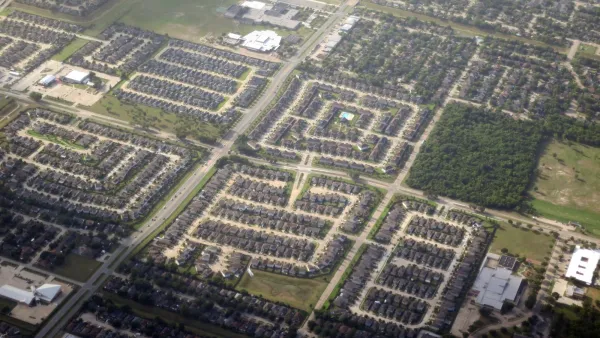
How to Fix Racist Housing Policies: Sue the Suburbs
Strengthening U.S. Department of Housing and Urban Development's civil rights enforcement could send a powerful signal to communities resistant to changing discriminatory housing rules.
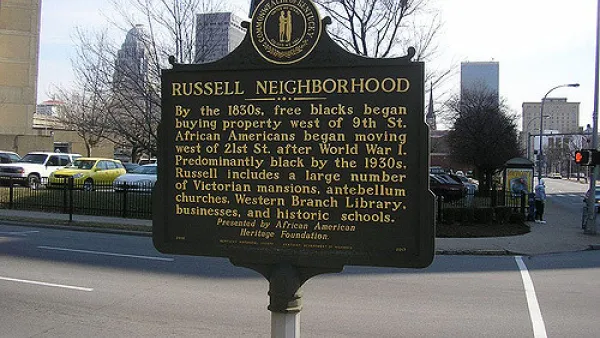
Tax Increment Financing District Considered for West Louisville
A prominently Black and low-income neighborhood in Louisville could gain a new tool for spurring local development—the law is intended also to control the effects of gentrification.
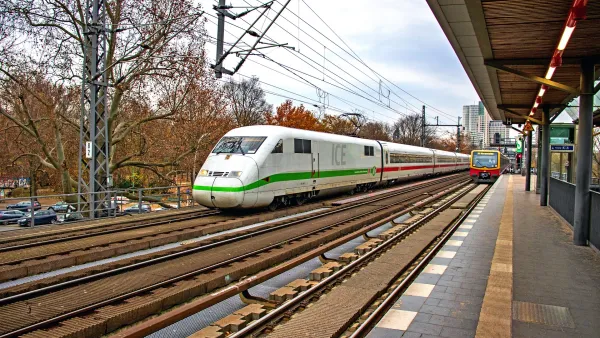
Boston-to-New York High-Speed Rail Project Hopes for Federal Support
If completed, the North Atlantic Rail project could transform New England's transportation landscape.

What Is Market Rate Housing?
Market-rate housing is a term used to define housing generated by the real estate market without direct subsidy. The price the market sets for housing, even without subsidies, is a direct outcome of policies and practices of planning.
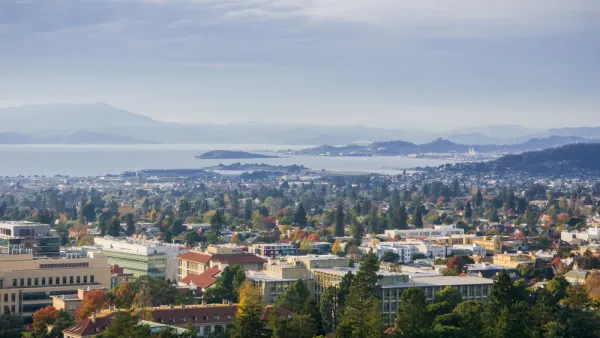
History (Un)made: Berkeley City Council Votes to Eliminate Single-Family Zoning
The city that invented single-family zoning in 1916, for discriminatory purposes, will completely remove that exclusionary legacy from its zoning code.

FREE Course: Walkable City 1: Why Walkability?
After describing his path towards focusing on walkability as the essence of good planning, Jeff Speck marches through his five principal reasons for making more walkable places.
Reinventing Malls: Planning Alchemy—Turning Gray Fields Into Gold
The course focuses on the opportunities and imperatives that shape reinvention of mall sites.

City of Rosemead
Rutgers University, Edward J. Bloustein School of Planning and Public Policy
One Hundred Miles
University of Michigan School for Environment and Sustainability (SEAS)
Hunter College, City University of New York (CUNY)
The Architects Foundation
City of Cambridge
Montrose County
The Pocatello Development Authority









